
Tokio
Glitzernde Metropole, wo Tradition auf Moderne trifft
Reise nach Tokio planen
Lassen Sie KI Ihre perfekte Reiseroute erstellen
Stadtviertel
Akihabara
Electronics and anime paradise, the global hub for otaku culture and tech gadgets
Asakusa
Historisches Viertel mit dem Senso-ji-Tempel und traditioneller japanischer Kultur
Ginza
Tokyo's most luxurious shopping and dining district with high-end boutiques and art galleries
Ikebukuro
Major transport and commercial hub in northern Tokyo with department stores and entertainment
Roppongi
Tokyo's vibrant international district known for world-class art museums and lively nightlife
Shibuya
Lebhaftes Viertel bekannt für die Shibuya-Kreuzung und trendige Einkaufsmöglichkeiten
Shinjuku
Pulsierendes Unterhaltungszentrum mit Wolkenkratzern, Theatern und Nachtleben
Sehenswürdigkeiten

Akihabara
Sehenswürdigkeit
Akihabara is Tokyo's legendary Electric Town, a dazzling district of multi-story electronics shops, anime and manga stores, maid cafés, and gaming arcades that has become the global capital of otaku (geek) culture. The district evolved from a post-war black market for electronic parts into the world's most concentrated hub for video games, figurines, comics, and tech gadgets. The neon-illuminated main street is a sensory overload that embodies Tokyo's relationship with technology and pop culture.
🕐 24/7

Asakusa
Sehenswürdigkeit
Asakusa is Tokyo's oldest and most traditional district, anchored by the magnificent Senso-ji Temple and its iconic Kaminarimon Thunder Gate. The Nakamise shopping street leading to the temple has sold traditional crafts, snacks, and souvenirs to pilgrims and visitors for centuries. The area retains the atmosphere of old Edo with rickshaws, kimono rentals, and centuries-old festivals.
🕐 24/7

Ginza
Sehenswürdigkeit
Ginza is Tokyo's most prestigious and glamorous shopping district, a grid of wide boulevards lined with flagship luxury boutiques, high-end department stores, art galleries, and some of Japan's finest restaurants. The Chuo-Dori boulevard is closed to traffic on weekend afternoons, creating a pedestrian promenade for some of the world's most sophisticated window shopping. The Itoya stationery store, Wako department store with its iconic clock tower, and teamLab digital art installations are among Ginza's unique attractions.
🕐 24/7

Harajuku
Sehenswürdigkeit
Harajuku is Tokyo's most flamboyant fashion district, centered on Takeshita Street where subculture fashion, crêpe shops, and vintage stores cater to Tokyo's youth. The area is famous for producing Japanese street fashion trends including Lolita, Decora, and Gyaru styles that have influenced global fashion. Adjacent Omotesandō offers the upscale counterpoint — a tree-lined boulevard of flagship luxury boutiques and cutting-edge architectural buildings.
🕐 24/7

Hie-Schrein
Sehenswürdigkeit
Hie Shrine is a peaceful Shinto sanctuary in Akasaka, one of Tokyo's quietest and most atmospheric shrines despite being surrounded by office towers in the heart of the city. Founded in the 14th century, it is dedicated to the guardian deity of the former Edo Castle and is famous for its tunnel of vermilion torii gates climbing the wooded hillside. The Sanno Matsuri held here is one of Tokyo's three great festivals.
🕐 Monday: 6:00 AM – 5:00 PM; Tuesday: 6:00 AM – 5:00 PM; Wednesday: 6:00 AM – 5:00 PM; Thursday: 6:00 AM – 5:00 PM; Friday: 6:00 AM – 5:00 PM; Saturday: 6:00 AM – 5:00 PM; Sunday: 6:00 AM – 5:00 PM
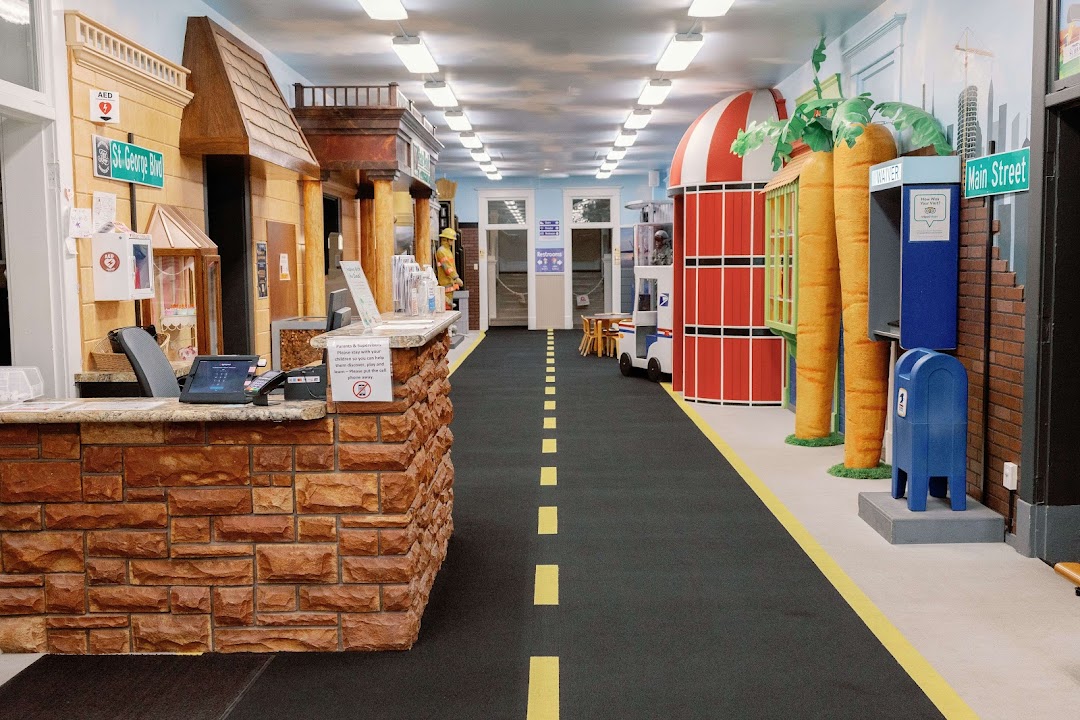
KidZania Tokyo
Sehenswürdigkeit
KidZania Tokyo is a notable travel sight that can anchor a sightseeing route in this destination. It is useful for travelers comparing landmarks, viewpoints, local culture, and practical stops while building an itinerary. Check current opening hours, ticket rules, and access conditions before visiting.
🕐 Monday: 9:00 AM – 3:00 PM, 4:00 – 9:00 PM; Tuesday: 9:00 AM – 3:00 PM, 4:00 – 9:00 PM; Wednesday: 9:00 AM – 3:00 PM, 4:00 – 9:00 PM; Thursday: 9:00 AM – 3:00 PM, 4:00 – 9:00 PM; Friday: 9:00 AM – 3:00 PM, 4:00 – 9:00 PM; Saturday: 9:00 AM – 3:00 PM, 4:00 – 9:00 PM; Sunday: 9:00 AM – 3:00 PM, 4:00 – 9:00 PM

Meiji-Schrein
Sehenswürdigkeit
Meiji Shrine is Tokyo's most visited Shinto shrine, dedicated to the deified spirits of Emperor Meiji and Empress Shoken. Nestled within an evergreen forest of 120,000 trees donated from across Japan, the forested approach along a wide gravel path lined with towering torii gates creates a remarkable sense of calm within the bustling metropolis. The shrine receives millions of New Year visitors in the first three days of January and hosts traditional ceremonies and weddings throughout the year.
🕐 Mo-Su 05:00-18:00

Nakameguro
Sehenswürdigkeit
Nakameguro is one of Tokyo's most fashionable neighborhoods, centered on the picturesque Meguro River canal lined with hundreds of cherry trees. Beyond the famous spring cherry blossom season when the canal transforms into a pink tunnel, the area buzzes year-round with independent boutiques, concept cafes, design studios, and acclaimed restaurants in converted warehouse spaces. The neighborhood perfectly embodies Tokyo's creative street culture and has become a favorite gathering spot for the city's fashion and arts community.
🕐 24/7

Senso-ji Tempel
Sehenswürdigkeit
Senso-ji Temple is Tokyo's oldest and most visited temple, a magnificent Buddhist complex in Asakusa founded in 645 AD according to legend. The towering Kaminarimon (Thunder Gate) with its huge red paper lantern leads to the Nakamise shopping street and the main hall housing a sacred golden image of Kannon, the goddess of mercy. With over 30 million annual visitors, Senso-ji is Japan's most visited spiritual site and the living heart of traditional Edo culture.
🕐 24/7

Shibuya Kreuzung
Sehenswürdigkeit
Shibuya Crossing is arguably the world's busiest pedestrian intersection, where up to 3,000 people cross simultaneously from all directions when the signal turns green. Located in front of Shibuya Station's Hachiko exit, this iconic scramble crossing has become a symbol of Tokyo's energetic urban life, featured in countless films and photographs. The surrounding Shibuya district offers a sensory overload of giant neon screens, department stores, trendy restaurants, and the famous Hachiko dog statue.
🕐 24/7

Shimokitazawa
Sehenswürdigkeit
Shimokitazawa is Tokyo's beloved bohemian neighborhood, a labyrinth of narrow lanes packed with vintage clothing shops, independent bookstores, vinyl record stores, and intimate live music venues. Known as 'Shimokita' by locals, this area preserves the character of old Tokyo with low-rise buildings and a village-like atmosphere rare in the modern megalopolis. The neighborhood has long been a hub of Tokyo's underground music, theatre, and arts scenes, attracting creative spirits and nostalgic wanderers seeking an alternative to the city's commercial districts.
🕐 24/7

Shinjuku
Sehenswürdigkeit
Shinjuku is Tokyo's largest and most energetic commercial and entertainment district, home to the world's busiest railway station which handles over 3 million passengers daily. The district contains multitudes: the neon-lit entertainment district of Kabukicho, the serene traditional garden of Shinjuku Gyoen, soaring skyscrapers housing restaurants with panoramic views, the closely-packed bars of Golden Gai, and department stores that seem to go on forever. Shinjuku embodies the full spectrum of Tokyo's urban intensity and is often the first neighborhood visitors explore.
🕐 24/7

Nationalpark Shinjuku Gyoen
Sehenswürdigkeit
Shinjuku Gyoen National Garden is Tokyo's premier park, a 58.3-hectare sanctuary that harmoniously blends French formal, English landscape, and traditional Japanese garden styles. Originally an imperial garden established in 1906, it now welcomes the public and becomes one of Tokyo's top cherry blossom viewing spots each spring, with over 1,000 cherry trees representing 65 varieties that bloom at different times. The spacious lawns and tranquil ponds provide a much-needed respite from the urban density of surrounding Shinjuku.
🕐 Monday: Closed; Tuesday: 9:00 AM – 7:00 PM; Wednesday: 9:00 AM – 7:00 PM; Thursday: 9:00 AM – 7:00 PM; Friday: 9:00 AM – 7:00 PM; Saturday: 9:00 AM – 7:00 PM; Sunday: 9:00 AM – 7:00 PM

Shinobazu Teich
Sehenswürdigkeit
Shinobazu Pond is a natural pond located within Ueno Park, divided into three sections: the Lotus Pond, the Rowing Pond, and the Shigi Pond. The lotus pond covers most of the water surface and puts on a magnificent display in summer when thousands of lotus flowers bloom, creating a sea of pink blossoms that frames the small Benten-do shrine on a central island. In winter, the pond becomes a stopover for migratory birds, while year-round it provides a peaceful natural oasis amid Tokyo's urban landscape.
🕐 Monday: 8:30 AM – 5:30 PM; Tuesday: 8:30 AM – 5:30 PM; Wednesday: 8:30 AM – 5:30 PM; Thursday: 8:30 AM – 5:30 PM; Friday: 8:30 AM – 5:30 PM; Saturday: 8:30 AM – 5:30 PM; Sunday: 8:30 AM – 5:30 PM

teamLab Borderless
Sehenswürdigkeit
teamLab Borderless is an immersive digital art museum created by the art collective teamLab, offering a boundary-free world where artworks move freely across rooms and blend together. Visitors wander through a labyrinthine space of interconnected rooms filled with stunning light installations, interactive projections, and sound environments that respond to human presence and movement. It represents a new concept of art experience where the boundary between the artwork and the viewer dissolves, creating an ever-changing collective creation that cannot be experienced the same way twice.
🕐 Monday: 8:30 AM – 9:00 PM; Tuesday: 8:30 AM – 9:00 PM; Wednesday: 8:30 AM – 9:00 PM; Thursday: 8:30 AM – 9:00 PM; Friday: 8:30 AM – 9:00 PM; Saturday: 8:30 AM – 9:00 PM; Sunday: 8:30 AM – 9:00 PM

teamLab Planets
Sehenswürdigkeit
teamLab Planets in Toyosu is a body-immersive museum where visitors physically enter giant artworks, walking barefoot through shallow water pools with spectacular mirror reflections, rooms of floating flowers, and infinite crystal universes. The compact but deeply impactful experience is designed so that the boundary between the visitor's body and the artwork disappears. Each of the four large-scale artwork spaces and two gardens offers a distinct multi-sensory environment that has made teamLab Planets one of the most sought-after art destinations in Tokyo.
🕐 Monday: 8:30 AM – 10:00 PM; Tuesday: 8:30 AM – 10:00 PM; Wednesday: 8:30 AM – 10:00 PM; Thursday: 8:30 AM – 10:00 PM; Friday: 8:30 AM – 10:00 PM; Saturday: 8:30 AM – 10:00 PM; Sunday: 8:30 AM – 10:00 PM

Tokio Disneyland
Sehenswürdigkeit
Tokyo Disneyland, opened in 1983 as the first Disney park outside the United States, has become one of the world's most visited theme parks, renowned for its exceptional guest service, immaculate cleanliness, and unique Japanese-exclusive attractions and seasonal events. Consistently rated among the top theme parks globally, it features seven themed lands including Westernland, Fantasyland, and Tomorrowland, along with parades and shows of unmatched production quality. The park is particularly celebrated for limited-edition seasonal merchandise and food items that Japanese visitors queue for hours to obtain.
🕐 Monday: 9:00 AM – 9:00 PM; Tuesday: 9:00 AM – 9:00 PM; Wednesday: 9:00 AM – 9:00 PM; Thursday: 9:00 AM – 9:00 PM; Friday: 9:00 AM – 9:00 PM; Saturday: 9:00 AM – 9:00 PM; Sunday: 9:00 AM – 9:00 PM

Tokio DisneySea
Sehenswürdigkeit
Tokyo DisneySea is a unique Disney theme park adjacent to Tokyo Disneyland, built around a vast Mediterranean harbor and widely considered the most beautifully designed Disney park in the world. Unlike any other Disney park, it is themed entirely around the sea and myths of discovery, with seven themed ports ranging from an American waterfront to a Mysterious Island inspired by Jules Verne. It is consistently ranked among the world's top theme parks.
🕐 Monday: 9:00 AM – 9:00 PM; Tuesday: 9:00 AM – 9:00 PM; Wednesday: 9:00 AM – 9:00 PM; Thursday: 9:00 AM – 9:00 PM; Friday: 9:00 AM – 9:00 PM; Saturday: 9:00 AM – 9:00 PM; Sunday: 9:00 AM – 9:00 PM

Tokyo Skytree
Sehenswürdigkeit
Tokyo Skytree ist mit 634 Metern der höchste Turm der Welt und Japans meistbesuchtes selbstfinanziertes Gebäude. Er bietet zwei Aussichtsplattformen: das Tembo Deck auf 350 Metern und die verglaste Tembo Galleria auf 450 Metern mit 360-Grad-Panoramablick auf Tokio und bei klarem Wetter auf den Fuji. Der Turm liegt im historischen Viertel Asakusa/Oshiage und ist das Herzstück von Tokyo Skytree Town, zu dem das Einkaufszentrum Solamachi und ein Aquarium gehören. Seine markante Silhouette orientiert sich an traditionellen japanischen Ästhetikprinzipien, darunter die fünfstöckige Pagode und das Samurai-Schwert.
🕐 Monday: 10:00 AM – 10:00 PM; Tuesday: 10:00 AM – 10:00 PM; Wednesday: 10:00 AM – 10:00 PM; Thursday: 10:00 AM – 10:00 PM; Friday: 10:00 AM – 10:00 PM; Saturday: 9:00 AM – 10:00 PM; Sunday: 9:00 AM – 10:00 PM

Äußerer Tsukiji Markt
Sehenswürdigkeit
Tsukiji Outer Market remains Tokyo's most vibrant food destination even after the inner wholesale market relocated to Toyosu, with over 400 shops and restaurants packed into a warren of bustling alleys near the Sumida River. Food pilgrims come here for the freshest sushi at legendary breakfast counters, premium sashimi, tamagoyaki (rolled egg omelets), and professional kitchen supplies. The market pulses with energy from early morning and the sensory experience of wandering its lanes remains one of Tokyo's most authentic culinary adventures.
🕐 Mo-Su 05:00-14:00

Tsukishima Monja Straße
Sehenswürdigkeit
Tsukishima Monja Street is a 700-meter shopping arcade on the island of Tsukishima in central Tokyo, home to over 70 restaurants specializing in monjayaki, Tokyo's own savory pancake made from a watery batter cooked tableside on an iron griddle. Unlike Osaka's okonomiyaki, monja has a softer, more liquid consistency and is traditionally associated with the old shitamachi (downtown) culture of working-class Tokyo. The street offers an affordable, convivial dining experience steeped in local nostalgia, making it a favorite destination for both Tokyoites and curious travelers.
🕐 Monday: 10:00 AM – 10:30 PM; Tuesday: 10:00 AM – 10:30 PM; Wednesday: 10:00 AM – 10:30 PM; Thursday: 10:00 AM – 10:30 PM; Friday: 10:00 AM – 10:30 PM; Saturday: 10:00 AM – 10:30 PM; Sunday: 10:00 AM – 10:30 PM

Ueno Park
Sehenswürdigkeit
Ueno Park is Tokyo's most famous public park and one of Japan's first, home to an extraordinary concentration of cultural institutions including the Tokyo National Museum (Japan's largest), the National Museum of Nature and Science, the National Museum of Western Art, and the Tokyo Metropolitan Art Museum. The park's northern section around Shinobazu Pond is a prime cherry blossom viewing location each spring, when thousands of revelers gather under the blossoms. The surrounding Ueno area retains much of the feel of old downtown Tokyo, with Ameyoko market street and traditional temples and shrines nearby.
🕐 Monday: 5:00 AM – 11:00 PM; Tuesday: 5:00 AM – 11:00 PM; Wednesday: 5:00 AM – 11:00 PM; Thursday: 5:00 AM – 11:00 PM; Friday: 5:00 AM – 11:00 PM; Saturday: 5:00 AM – 11:00 PM; Sunday: 5:00 AM – 11:00 PM

Yanaka
Sehenswürdigkeit
Yanaka is one of Tokyo's most well-preserved historic neighborhoods, having survived both the 1923 earthquake and World War II, giving it an atmosphere of old shitamachi (downtown) Tokyo largely absent elsewhere in the modern metropolis. Its sloped lanes are lined with traditional wooden merchant houses, independent craft shops, galleries, and temples, including over 70 Buddhist temples in the broader Yanesen area. Walking through Yanaka feels like stepping back several decades in time, making it a cherished destination for those seeking Tokyo's quieter, more contemplative side.
🕐 24/7

Yanaka Ginza
Sehenswürdigkeit
Yanaka Ginza is a nostalgic shotengai (shopping street) in Tokyo's Yanaka neighborhood, one of the city's best-preserved Showa-era districts that escaped wartime bombing. Its row of small shops, family-run restaurants, tofu sellers, and cat-themed boutiques evokes an older Tokyo that has largely disappeared elsewhere. The surrounding Yanaka cemetery and temple lanes add to the area's contemplative, village-like charm.
🕐 Monday: 10:00 AM – 6:00 PM; Tuesday: 10:00 AM – 6:00 PM; Wednesday: 10:00 AM – 6:00 PM; Thursday: 10:00 AM – 6:00 PM; Friday: 10:00 AM – 6:00 PM; Saturday: 10:00 AM – 6:00 PM; Sunday: 10:00 AM – 6:00 PM

Ameya-Yokocho Markt
Markt
Ameya-Yokocho (Ameyoko) is Tokyo's most exuberant open-air market, a chaotic bargain-shopping street under the Yamanote train tracks between Ueno and Okachimachi stations. Once a post-war black market selling US Army surplus and candy (ame), it now sells fresh seafood, dried goods, cheap clothing, watches, and cosmetics at boisterous, discounted prices. The end-of-year tuna and New Year foods frenzy draws massive crowds seeking deals on premium Japanese ingredients.

Den Restaurant Tokyo
Restaurant
Den is one of Tokyo's most beloved fine-dining restaurants, where chef Zaiyu Hasegawa transforms traditional Japanese kaiseki conventions into a playful, seasonal, and deeply personal expression of his craft. The restaurant holds two Michelin stars and has appeared on the World's 50 Best list, and Hasegawa's signature technique — foraging wild ingredients from the countryside around Tokyo — produces dishes that tell stories of place and season with unusual warmth. The restaurant's famously eccentric service, which includes dog photos from the chef's own dog and puzzle-like dish presentations, has made Den as much of a cultural experience as a culinary one.
🕐 Monday: 6:00 – 8:00 PM; Tuesday: 6:00 – 8:00 PM; Wednesday: 6:00 – 8:00 PM; Thursday: 6:00 – 8:00 PM; Friday: 6:00 – 8:00 PM; Saturday: 6:00 – 8:00 PM; Sunday: Closed
Restaurant Florilège Tokyo
Restaurant
Florilège is a critically acclaimed French restaurant in Minami-Aoyama where chef Hiroyasu Kawate interprets classical French technique through a deeply Japanese lens, sourcing almost exclusively from Japanese farmers, fishermen, and foragers. The restaurant holds two Michelin stars and has placed consistently on Asia's 50 Best Restaurants, and Kawate's cuisine — spare, precise, and intensely flavored — has earned him a reputation as one of the most important French chefs working in Japan. The counter-style dining format places guests in intimate contact with the kitchen's workflow, and the wine list focuses on natural producers from France and Japan.
🕐 Monday: Closed; Tuesday: 6:00 – 6:30 PM; Wednesday: 12:00 – 12:30 PM, 6:00 – 6:30 PM; Thursday: 12:00 – 12:30 PM, 6:00 – 6:30 PM; Friday: 12:00 – 12:30 PM, 6:00 – 6:30 PM; Saturday: 12:00 – 12:30 PM, 6:00 – 6:30 PM; Sunday: 12:00 – 12:30 PM
Ginza Kojyu Tokyo
Restaurant
Ginza Kojyu is an intimate kaiseki restaurant on the upper floor of a Ginza building, operated by chef Toru Okuda whose mastery of traditional Japanese culinary technique has earned the restaurant three Michelin stars. The omakase menu changes entirely with the seasons and showcases the finest available fish, shellfish, vegetables, and mountain ingredients in preparations of exquisite refinement. The ten-seat counter arrangement places guests in direct view of Okuda's meticulous preparation work, and the precision of each course — from the dashi's clarity to the final wagashi sweet — reflects decades of accumulated mastery. Among Ginza's many extraordinary restaurants, Kojyu represents the pinnacle of classic kaiseki.
🕐 Monday: 12:00 – 1:00 PM, 6:00 – 9:30 PM; Tuesday: 12:00 – 1:00 PM, 6:00 – 9:30 PM; Wednesday: 12:00 – 1:00 PM, 6:00 – 9:30 PM; Thursday: 12:00 – 1:00 PM, 6:00 – 9:30 PM; Friday: 12:00 – 1:00 PM, 6:00 – 9:30 PM; Saturday: 12:00 – 1:00 PM, 6:00 – 9:30 PM; Sunday: Closed

Ichiran Ramen
Restaurant
Ichiran is Japan's iconic tonkotsu ramen chain renowned for its unique solo-dining booth system that allows diners to focus entirely on the flavors of their bowl. Founded in Fukuoka in 1960, each customizable bowl features a rich, creamy pork bone broth with a signature secret red sauce, thin straight noodles, and a precisely calibrated combination of toppings. The experience, complete with bamboo curtains for privacy, has become a bucket-list dining ritual for food lovers visiting Japan.
🕐 Monday: 11:00 AM – 10:30 PM; Tuesday: 11:00 AM – 10:30 PM; Wednesday: 11:00 AM – 10:30 PM; Thursday: 11:00 AM – 10:30 PM; Friday: 11:00 AM – 11:30 PM; Saturday: 10:00 AM – 11:30 PM; Sunday: 10:00 AM – 11:30 PM
Restaurant Narisawa Tokio
Restaurant
Narisawa is one of Tokyo's most acclaimed and globally recognized restaurants, where chef Yoshihiro Narisawa has developed a singular cuisine he calls 'Innovative Satoyama Cuisine' — rooted in the Japanese concept of the landscape between mountain and flatland. The restaurant holds two Michelin stars and has appeared on the World's 50 Best Restaurants list, and its approach to foraging, fermentation, and ingredient storytelling has influenced a generation of Japanese chefs. Located in Minami-Aoyama, the tasting menus are deeply seasonal and explicitly connected to specific Japanese landscapes, farmers, and fishermen by name. Reservations open months in advance and fill immediately.
🕐 Monday: Closed; Tuesday: 12:00 – 2:30 PM, 5:30 – 8:00 PM; Wednesday: 12:00 – 2:30 PM, 5:30 – 8:00 PM; Thursday: 12:00 – 2:30 PM, 5:30 – 8:00 PM; Friday: 12:00 – 2:30 PM, 5:30 – 8:00 PM; Saturday: 12:00 – 2:30 PM, 5:30 – 8:00 PM; Sunday: Closed
Sukiyabashi Jiro Tokio
Restaurant
Sukiyabashi Jiro Honten gilt als das berühmteste Sushi-Restaurant der Welt, Gegenstand des Dokumentarfilms 'Jiro Dreams of Sushi' von 2011 und geleitet von Jiro Ono, der im Alter von 85 Jahren drei Michelin-Sterne erhielt. Das Restaurant belegt einen kleinen Kellerraum in einem Ginza U-Bahnstations-Gebäude und bietet nur zehn Personen an einer Theke Platz, wo ein Meisterkoch ein Omakase aus perfekt assemblierten Nigiri im Rhythmus von etwa einem Stück pro Minute inszeniert. Das Erlebnis — technisch präzise, emotional intensiv und in unter 30 Minuten beendet — stellt einen der konzentriertesten Ausdrücke japanischer kulinarischer Hingabe dar, die irgendwo verfügbar sind.
🕐 Monday: 11:30 AM – 2:00 PM, 5:30 – 8:30 PM; Tuesday: 11:30 AM – 2:00 PM, 5:30 – 8:30 PM; Wednesday: 11:30 AM – 2:00 PM, 5:30 – 8:30 PM; Thursday: 11:30 AM – 2:00 PM, 5:30 – 8:30 PM; Friday: 11:30 AM – 2:00 PM, 5:30 – 8:30 PM; Saturday: 11:30 AM – 2:00 PM; Sunday: Closed
Tempura Kondo Tokio
Restaurant
Tempura Kondo ist eines von Tokios führenden Tempura-Restaurants im Ginza-Viertel und wird für Chefkoch Fumio Kondos Meisterschaft beim Frittieren saisonaler Gemüse und erstklassiger Meeresfrüchte in einem leichten, luftigen Teig gefeiert, der den natürlichen Charakter der Zutaten bewahrt. Mit zwei Michelin-Sternen ausgezeichnet, ist Kondo besonders bekannt für seine Zubereitung von Lotus-Wurzel, Süßkartoffel und dem 'Tempura-Salat' — einer dramatischen Präsentation von einzeln frittiertem Gemüse, das als essbares Arrangement serviert wird. Der Tresen-Service und der intime Dialog zwischen Koch und Gast während des Essens schaffen ein unvergessliches Fine-Dining-Erlebnis, das einzigartig für die Tempura-Form ist.
🕐 Monday: 12:00 – 3:00 PM, 5:00 – 8:00 PM; Tuesday: 12:00 – 3:00 PM, 5:00 – 8:00 PM; Wednesday: 12:00 – 3:00 PM, 5:00 – 8:00 PM; Thursday: 12:00 – 3:00 PM, 5:00 – 8:00 PM; Friday: 12:00 – 3:00 PM, 5:00 – 8:00 PM; Saturday: 12:00 – 3:00 PM, 5:00 – 9:00 PM; Sunday: Closed

Toyosu Markt
Restaurant
Toyosu Market is Tokyo's massive modern wholesale fish market, relocated from the legendary Tsukiji in 2018 and now operating from a state-of-the-art facility on a reclaimed island in Tokyo Bay. The market handles over 400 types of seafood daily, and its tuna auctions — which visitors can observe from glass-enclosed galleries — are among the world's most spectacular food spectacles. Sushi restaurants on the premises serve some of the freshest fish in the city.
🕐 Monday: 5:00 AM – 3:00 PM; Tuesday: 5:00 AM – 3:00 PM; Wednesday: Closed; Thursday: 5:00 AM – 3:00 PM; Friday: 5:00 AM – 3:00 PM; Saturday: 5:00 AM – 3:00 PM; Sunday: Closed

Aman Tokyo
Hotel
Aman Tokyo belegt die oberen sechs Stockwerke des Otemachi Tower in Tokios zentralem Finanzdistrikt und bietet die charakteristische Aman-Handschrift aus extremem Raum, extremer Ruhe und exquisit durchdachtem Design im Hochhausformat. Die 84 Suiten gehören zu den größten in Tokio, mit durchschnittlich über 80 Quadratmetern, Deckenhöhen von bis zu 4,5 Metern und raumhohen Washi-Papierpaneelen, die das Licht filtern. Das Spa schöpft aus der heilenden Wasserkultur der japanischen Onsen mit mehreren Pools und Behandlungsräumen, und das Restaurant serviert zeitgenössische japanische Küche. Die Lage des Aman Tokyo verbindet die Gäste zu Fuß mit den Gärten des Kaiserpalastes, Ginza und dem Marunouchi-Geschäftsviertel.
🕐 24/7
Mandarin Oriental Tokyo
Hotel
The Mandarin Oriental Tokyo crowns the top nine floors of the Mitsui Tower in Nihonbashi, the historic financial district north of Ginza, with panoramic views in every direction from its sky-high position. The 157 rooms and suites feature the finest materials — Kyoto silk, lacquerwood furniture, Japanese ceramic accents — and every room looks out over either the Tokyo skyline or the Tokyo Bay waterscape. The Michelin-starred Tapas Molecular Bar and the Signature restaurant are among Tokyo's most exclusive dining experiences, and the hotel's spa facility is consistently ranked among the best in Asia. The Mandarin Oriental's combination of altitude, design, and dining makes it one of Tokyo's most aspirational addresses.
🕐 24/7
Park Hyatt Tokyo
Hotel
Das Park Hyatt Tokyo belegt die oberen 14 Stockwerke des Shinjuku Park Tower, der durch den Film 'Lost in Translation' von 2003 internationale Bekanntheit erlangte. Die 177 Zimmer und Suiten des Hotels verfügen über raumhohe Fenster mit atemberaubendem Blick auf die Skyline Tokios, und an klaren Tagen ist der Kegel des Fuji von den oberen Etagen aus zu sehen. Die New York Bar and Grill im 52. Stock — mit Jazzauftritten und derselben Aussicht, die Bill Murray und Scarlett Johansson fesselte — ist nach wie vor eines von Tokios atmosphärischsten Abendlokalitäten. Die Kombination aus gestalterischer Exzellenz, Service und der Romantik seiner Kinogeschichte macht es einzigartig überzeugend.
🕐 24/7
The Capitol Hotel Tokyu Tokio
Hotel
Das Capitol Hotel Tokyu ist eines von Tokios vornehmsten Luxushotels auf dem Parlamentshügel von Nagatacho in einem vom Architekten Kengo Kuma entworfenen Gebäude, das die Muster traditioneller japanischer Webereien aufgreift. Das Hotel liegt direkt neben dem Hie-Schrein, einem der wichtigsten Shinto-Heiligtümer Tokios, und viele Zimmer blicken auf den bewaldeten Schrein-Hügel — ein außergewöhnlicher Kontrast aus Natur und urbaner Dichte im Herzen Tokios. Das hotel-eigene Restaurant Origami serviert herausragende zeitgenössische japanische Küche, und die Sake-Bar im Erdgeschoss hält eine der umfassendsten Sammlungen von Premium-Nihonshu in der Hauptstadt vor. Die Nähe zu Regierungsgebäuden und dem Gastronomieviertel Akasaka macht es zur natürlichen Wahl für Geschäfts- und Regierungsreisende.
🕐 24/7
The Imperial Hotel Tokio
Hotel
The Imperial Hotel is one of Japan's most historic and storied luxury hotels, having operated continuously since 1890 and hosting an extraordinary list of guests including Charlie Chaplin, Marilyn Monroe, and every visiting head of state. The current building, completed in 1970 and expanded since, stands on the same site where Frank Lloyd Wright's famously earthquake-resistant original structure survived the Great Kanto Earthquake of 1923 — a feat that cemented the hotel's legendary status. Today, the Imperial Hotel's 931 rooms occupy prime Hibiya location near the Imperial Palace, and the hotel's Michelin-starred restaurants and afternoon tea service maintain the traditions of 135 years of Japanese hospitality excellence.
🕐 24/7
The Peninsula Tokyo
Hotel
The Peninsula Tokyo ist eines der vornehmsten Luxushotels der japanischen Hauptstadt und belegt einen markanten Turm an der Ecke des Hibiya-Parks mit Blick auf den Wassergraben des Kaiserpalastes in Marunouchi. Die 314 Zimmer und Suiten gehören zu den geräumigsten in Tokio und sind mit maßgefertigtem Mobiliar, Marmorbädern mit tiefen Einwannnbadewannen und der charakteristischen Peninsula-Haustechnologie ausgestattet. Die Hotelrestaurants — darunter das französische Restaurant Peter mit seinem Michelin-Stern und die Dachbar Pbar mit Blick auf die Palastgärten — ziehen Tokioter und Besucher gleichermaßen an. Die Lage des Peninsula zwischen Ginza, dem Kaiserpalast und dem Marunouchi-Geschäftsviertel verleiht ihm eine der feinsten Adressen der Stadt.
🕐 Monday: Open 24 hours; Tuesday: Open 24 hours; Wednesday: Open 24 hours; Thursday: Open 24 hours; Friday: Open 24 hours; Saturday: Open 24 hours; Sunday: Open 24 hours

Bahnhof Shibuya Tokio
Transport
Shibuya Station is one of Tokyo's most iconic and complex transit nodes, serving over 2 million passengers daily on the JR Yamanote Line, multiple Tokyu private rail lines, the Tokyo Metro Ginza and Fukutoshin lines, and the Keio Inokashira Line. The station is the gateway to the famous Shibuya Scramble Crossing — the busiest pedestrian intersection in the world — as well as the surrounding districts of youth fashion, technology, entertainment, and the towering Shibuya Sky observation deck. Major redevelopment projects including Shibuya Scramble Square, Tokyu Hands, and the Hikarie complex have transformed the station's eastern side into one of the most dynamic commercial environments in contemporary Tokyo.
🕐 24/7
Bahnhof Shinagawa Tokio
Transport
Shinagawa Station is one of Tokyo's most strategically important transportation nodes, serving as a Shinkansen stop on the Tokaido-Sanyo high-speed rail lines and handling major JR conventional line services alongside the Keikyu private railway to Haneda Airport. The station's central position on the Yamanote Loop and its Shinkansen access make it one of the city's primary business travel hubs, surrounded by major corporate headquarters, international hotels, and the Osaki office district. The Shinagawa area has undergone dramatic redevelopment in recent decades and now hosts some of Tokyo's most sophisticated restaurants, the Epson Aqua Park aquarium, and extensive pedestrian-friendly waterfront development.
🕐 24/7

Bahnhof Shinjuku Tokio
Transport
Shinjuku Station is the busiest railway station in the world by daily passenger volume, with over 3.5 million people passing through its 50+ platforms and 200 exits every day on more than a dozen rail lines. The station connects the Tokyo Metro Marunouchi and Oedo lines, JR Chuo and Sobu Lines, the Yamanote Loop, and major private railways including Keio and Odakyu — making it the transfer hub for all of western Tokyo. The station's subterranean commercial complex, underground walkways, and the surrounding Kabukicho entertainment district, Shinjuku-Gyoen national garden, and high-rise business towers create Tokyo's most intense concentration of urban activity around any single station.
🕐 24/7

Internationaler Flughafen Tokio-Haneda (HND)
Transport
Der Flughafen Haneda in Tokio ist Japans verkehrsreichster Flughafen nach Passagieraufkommen und das bequemste internationale Eingangstor zum Stadtzentrum von Tokio, nur 14 km vom Stadtzentrum im Stadtbezirk Ōta entfernt. Mit seinen modernen Terminals, zahlreichen In- und Auslandsverbindungen sowie direkten Verkehrsanbindungen in die Innenstadt ist Haneda der bevorzugte Flughafen für einen Besuch Tokios.
🕐 24/7
Bahnhof Tokio
Transport
Der Bahnhof Tokio ist der zentrale Knotenpunkt des japanischen Schienennetzwerks und einer der verkehrsreichsten Bahnhöfe der Welt, der täglich über 400.000 Fahrgäste auf seinen 30 Bahnsteigen mit Shinkansen-Hochgeschwindigkeitszügen und JR-Linien bedient. Als regelrechte Stadt in der Stadt beherbergt der Bahnhof zahlreiche Geschäfte, Restaurants und Hotels und ist ein unverzichtbarer Ausgangspunkt zur Erkundung Tokios und ganz Japans.
🕐 24/7
13 Artikel

2-wöchige Japan-Reise: Tokio, Kyoto, Osaka mit 50 $/Tag Budget
Erleben Sie die Magie Japans ohne die Bank zu sprengen. Dieser umfassende 14-Tage-Reiseplan zeigt Ihnen, wie Sie die belebten Straßen von Tokio, die ruhigen Tempel von Kyoto und die kulinarischen Köstlichkeiten von Osaka erkunden können – und das mit einem nachhaltigen Budget von 50 Dollar pro Tag.

Year 2 of Full Time Travel: Lifestyle Q&A with Kara and Nate
In-depth Q&A about full-time travel lifestyle covering costs, challenges, routines, and tips for sustainable travel

Japan Summer Festivals 2026: Gion Matsuri, Hanabi & Complete Guide
Complete guide to Japan's spectacular summer festival season. Covers Gion Matsuri (Kyoto, all of July), Sumida River fireworks (Tokyo, late July), Tenjin Matsuri (Osaka, July 24-25), and Nebu

Japan Rail Pass Guide - Complete Tokyo to Kyoto Journey
Master the Japan Rail Pass with this complete guide to traveling efficiently and affordably from Tokyo to Kyoto and beyond.

Tokyo Ramen & Street Food Guide: Japan's Best Bowls & Bites
The definitive Tokyo ramen and street food guide: best ramen shops including Michelin-starred spots, Tsukiji outer market, Shibuya Scramble food, Harajuku crepes, and must-try Japanese street

Der ultimative Japan-Reiseführer 2026
The complete 2026 Japan travel guide: Tokyo, Kyoto, Osaka, and beyond. JR Pass tips, cherry blossom timing, budget breakdown, and essential first-timer advice.

Dreitägiger Kartenführer für Einsteiger in Tokio
Ein praktischer dreitägiger Kartenführer für Tokio zum ersten Mal mit Asakusa, Ueno, Shibuya, Harajuku, Shinjuku, Tsukiji und flexibler Tagesausflugsplanung.

Tokyo Street Food Guide: 20 Must-Try Dishes Beyond the Tourist Traps (DE)
Discover Tokyo's best street food beyond the tourist traps — 20 must-try dishes from local ramen shops, izakayas, and hidden market stalls with prices and locations.

Japans Winterwunderland: 10-Tage-Reiseroute mit Schneefesten und versteckten heißen Quellen
Complete 10-day Japan winter guide featuring snow festivals, traditional hot springs, and authentic cultural experiences