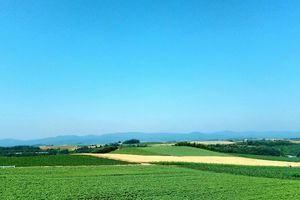
Hokkaido is one of the few Japan first-timer extensions where a car can materially improve the trip. This 7-day Road-trip links Sapporo, Otaru, Furano, Biei, Asahikawa, Daisetsuzan and Lake Toya/Noboribetsu with enough flexibility for flower season, autumn color or winter road constraints.
Quick Planning Snapshot
- Destination and theme: Hokkaido Road-trip with cities, flower fields, mountain roads, onsen and wide rural landscapes.
- Recommended time: 7 days / 6 nights.
- Best months: July for lavender, September to October for autumn color, February for snow festivals with winter-driving caution.
- Budget range per person: JPY 180,000-310,000 excluding flights, assuming two people sharing a compact rental car, mid-range stays, fuel, tolls, casual meals and several paid viewpoints or onsen.
- Route style: loop from New Chitose Airport or Sapporo.
- Driving distance: roughly 750-1,050 km depending on detours.
- Main bases: Sapporo, Furano/Biei, Asahikawa or Sounkyo, Lake Toya/Noboribetsu.

Route Overview
New Chitose Airport or Sapporo -> Otaru -> Furano -> Biei -> Asahikawa/Sounkyo -> Lake Toya or Noboribetsu -> Sapporo
This is a Road-trip because rail and bus schedules can make rural viewpoints inefficient, especially around Biei, flower farms, onsen towns and mountain ropeway areas. In central Sapporo, park the car and use transit or walk.
Day 1: Arrive in Sapporo
Land at New Chitose Airport and either pick up the car immediately or stay car-free for the first night. If arriving late, sleep in Sapporo and collect the car the next morning.
Good first stops:
- Odori Park and Sapporo TV Tower area.
- Susukino for ramen and nightlife.
- Nijo Market or a casual seafood bowl.
Day 2: Otaru and Sapporo Food
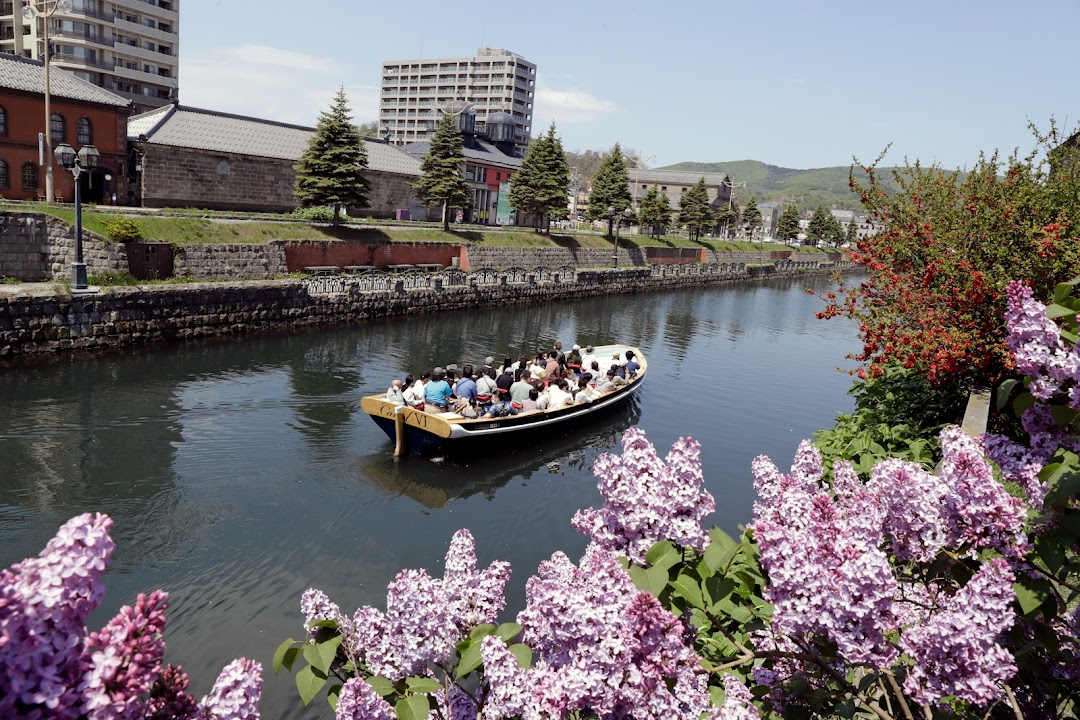
Drive or take the train to Otaru depending on parking comfort. The canal, glass shops and seafood markets are compact, so this is an easy warm-up day before rural driving.
Return to Sapporo for dinner. If the trip is in winter, keep this day flexible because snow and parking can slow everything down.
Day 3: Sapporo to Furano
Drive toward Furano. In July, prioritize lavender and flower fields; outside flower season, focus on farms, cafes and open countryside.
Stops to consider:
- Farm Tomita or Nakafurano flower areas.
- Furano Cheese Factory or local cafes.
- Ningle Terrace in the evening if staying nearby.
Book Furano or Biei accommodation early for July and August.
Day 4: Biei, Blue Pond and Patchwork Roads
This is the best car day. Use Biei as a slow scenic loop rather than racing between photo pins.
Suggested pacing:
- Morning: Patchwork Road or Panorama Road.
- Midday: local lunch, farms or small viewpoints.
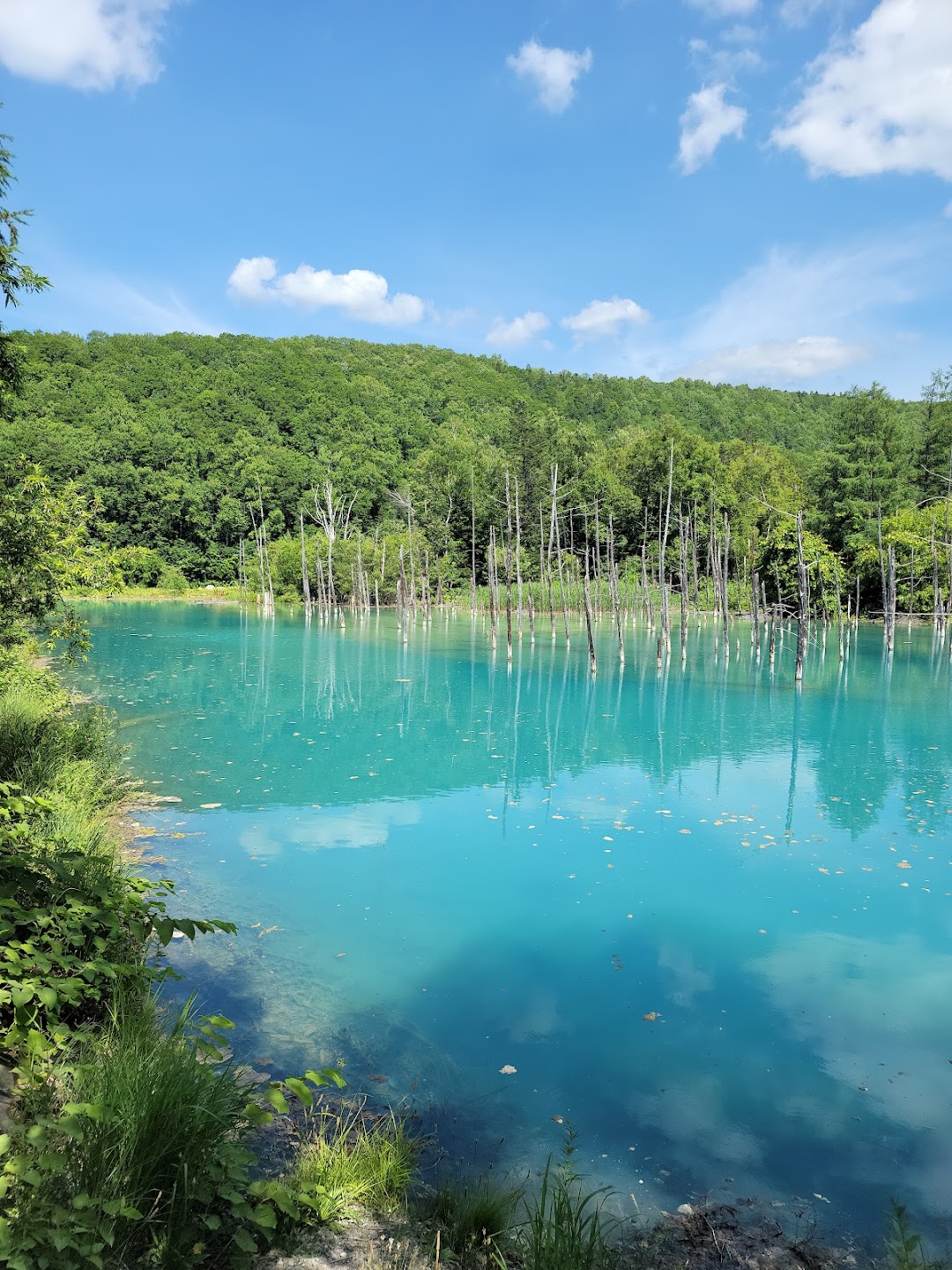
- Afternoon: Shirogane Blue Pond and Shirahige Falls.
- Evening: stay in Biei, Furano, Asahikawa or Sounkyo depending on the next day.
Do not stop in the road for photos. Use pullouts and parking areas only.
Day 5: Asahikawa, Daisetsuzan or Sounkyo
Choose the mountain version only if weather and road conditions are sensible.
- Easy version: Asahikawa ramen, Asahiyama Zoo and local markets.
- Nature version: Sounkyo Gorge, ropeway area and short walks.
- Autumn version: Daisetsuzan foliage with early starts and warm layers.
Hokkaido distances are real. A route that looks simple on a map can become tiring with weather, farm stops and winding roads.
Day 6: Lake Toya or Noboribetsu Onsen
Drive south toward Lake Toya or Noboribetsu. Lake Toya gives a calmer lake-and-volcano stay; Noboribetsu is better for dramatic onsen scenery and ryokan-style lodging.
Plan one main overnight experience instead of trying to do both deeply:
- Lake Toya: lakeside walk, Mount Usu area, slow dinner.
- Noboribetsu: Jigokudani, onsen hotel, short nature trails.
Day 7: Return to Sapporo or New Chitose
Return the car with a fuel and time buffer. If the flight is late, stop at a roadside station, outlet mall or Sapporo market. In winter, avoid long same-day mountain drives before an international departure.
Rental Car and Driving Advice
Renting a car is worthwhile for this route because it connects rural viewpoints, flower fields, onsen towns and weather-dependent mountain stops more efficiently than public transport. Choose a compact car, reserve ETC/toll-card support if offered, and confirm winter tires in snow season.
Important:
- Drive on the left.
- Carry an International Driving Permit if required for your license country.
- Watch for wildlife, farm vehicles and sudden weather.
- Avoid night driving in rural or snowy areas.
- Build extra time for fuel, parking and photo stops.
Budget Notes
Per person for two sharing:
- Rental car, fuel, tolls and parking: JPY 45,000-85,000 each for 7 days depending on season and car class.
- Lodging: JPY 9,000-22,000 per person per night, higher for onsen ryokan.
- Food: JPY 4,500-10,000 per day.
- Onsen or viewpoints: JPY 1,000-5,000 per day.
Visa, JR Pass and Tourist Tax
Use Road-trip language for this guide. A nationwide JR Pass is usually not central to this itinerary because the value is in rural driving. If travelers combine Hokkaido with Tokyo/Kyoto, remind them the official nationwide Japan Rail Pass exists only as 7, 14 and 21-day products, with ordinary adult prices of JPY 50,000, JPY 80,000 and JPY 100,000. Japan's International Tourist Tax is JPY 3,000 per departure from Japan from July 1, 2026, with transitional treatment for eligible tickets issued on or before June 30, 2026.
Editorial Verification Notes
Checked against official JR Pass and International Tourist Tax references, Hokkaido city records in the Tourants CMS, current rental-car route logic from overseas Hokkaido itinerary discussions and destination planning patterns around Furano, Biei, Sounkyo, Lake Toya and Noboribetsu. Quality level: premium. This fills the Sapporo/Hokkaido extension lane in the Japan sample chain.



Travel Tips
No tips yet. Be the first to share!