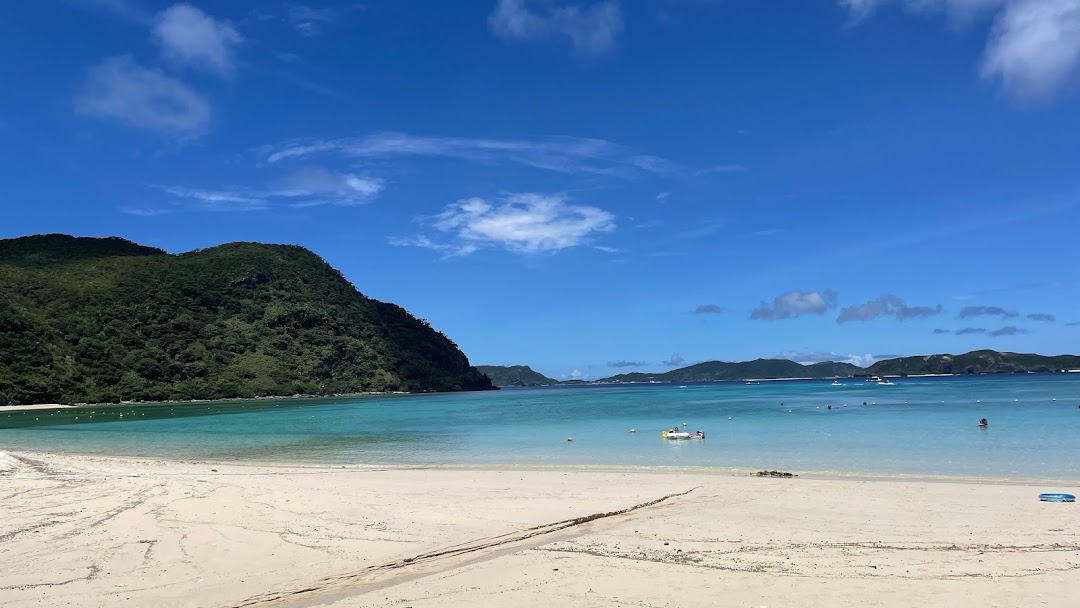
Naha is the easiest base for a first Okinawa island-hopping trip because it combines city food, ferry access, airport convenience and short-hop islands in the Kerama chain. This guide is built for travelers who want clear water and Ryukyu culture without overcommitting to remote ferries on a tight schedule.
Quick Planning Snapshot
- Destination and theme: Okinawa/Naha island-hopping guide with Kerama day trips and city culture.
- Recommended time: 5 days / 4 nights.
- Best months: April to June and October to November for warmer water and lower typhoon risk than peak summer; July to September can be beautiful but weather-sensitive.
- Budget range per person: JPY 110,000-210,000 excluding flights, assuming a Naha hotel, ferry trips, casual meals, snorkeling or beach transport and one rental-car day on Okinawa main island.
- Base strategy: stay in Naha for the full trip unless adding a slow overnight on Zamami or Tokashiki.
- Map handoff: Naha/Kokusai-dori, Shuri/Tsuboya, Tomari Port, Zamami or Tokashiki, north or south main-island loop.

Day 1: Arrive in Naha
Keep arrival day simple. Check in, walk Kokusai-dori, explore nearby food streets and adjust to the slower island pace.
Good first stops:
- Kokusai-dori for orientation and dinner.
- Makishi Public Market area for casual food.
- Tsuboya pottery district if arriving early.
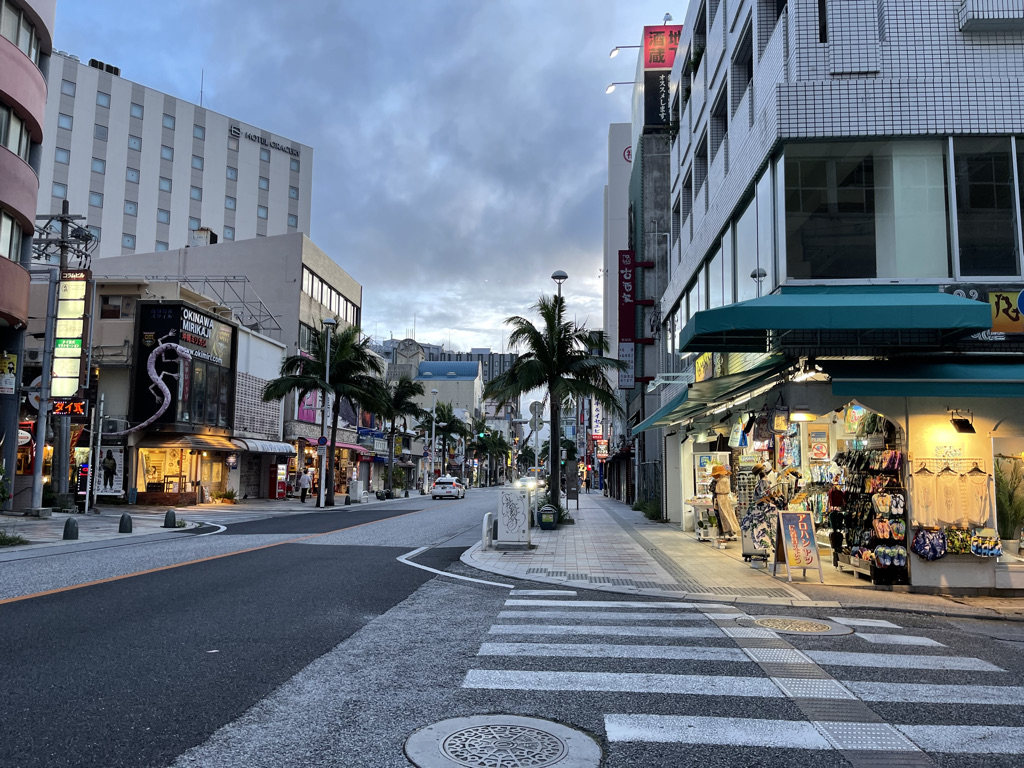
Day 2: Naha Culture and Shuri
Use the first full day for city context before chasing beaches. Combine Shuri area, pottery lanes and Naha food.
Suggested pacing:
- Morning: Shuri Castle area and nearby viewpoints.
- Midday: Tsuboya pottery district.
- Afternoon: cafes, local shops or museum time.
- Evening: izakaya, Okinawan soba or live music venues where appropriate.
Day 3: Tokashiki or Zamami Island
Take a ferry from Tomari Port to one Kerama island. Do not try to visit multiple outer islands in one day unless ferry times are designed for it.
Choose:
- Tokashiki: easier beach day, good for Aharen Beach and a straightforward Naha return.
- Zamami: strong water clarity, viewpoints and a slower island feel.
- Aka/Geruma: better for travelers who accept thinner schedules and more planning.
Book ferry tickets early in peak season and always check weather. Ferries can be delayed or cancelled by sea conditions.
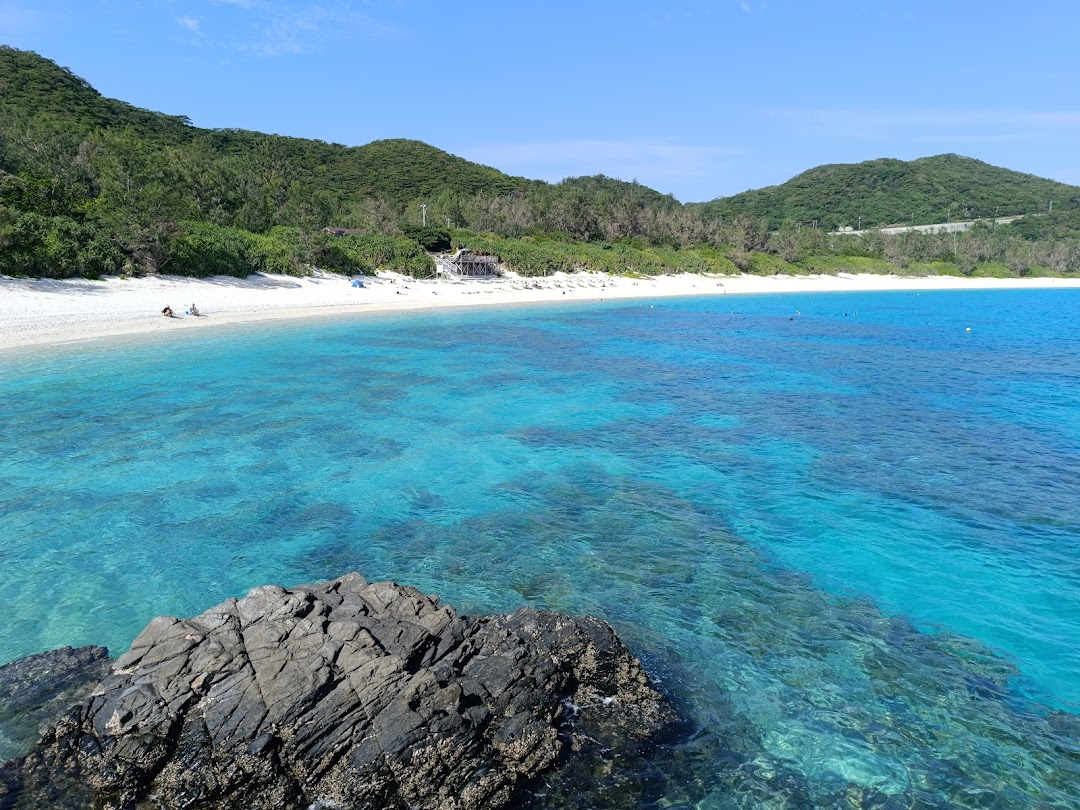
Day 4: Main-Island Rental Car Loop
Rent a car for one day if you want to leave Naha. Public transport is possible for some routes, but a car makes beaches, capes and cafes easier.
Choose one loop:
- South loop: peace memorial area, coastal roads, cafes and short beach stops.
- Central loop: American Village, coastal viewpoints and sunset.
- North loop: longer day toward aquarium/coast areas; start early and avoid late return fatigue.
If driving, confirm parking, tolls, insurance and license requirements before booking.
Day 5: Departure Buffer
Use the final morning for missed food, pottery shopping or a short beach walk near Naha. Do not schedule an outer-island ferry on the same day as an international or tight domestic flight.
Where to Stay
- Kokusai-dori/Makishi: best for first-timers who want food and transit.
- Tomari Port area: best if ferry days are the focus.
- Naha airport side: useful for early flights but weaker for evening walks.
- Zamami or Tokashiki overnight: better for a slower sea-focused trip, but less convenient for city food and flight buffers.
Local Costs and Booking Notes
Plan per person:
- Naha hotel: JPY 8,000-20,000 per room per night, higher for resort-style stays.
- Ferry and local island transport: JPY 4,000-10,000 per island day depending on route and transfers.
- Meals: JPY 4,000-8,500 per day for casual restaurants and snacks.
- Snorkeling, diving or boat trips: variable; reserve reputable operators and avoid unsafe sea conditions.
Etiquette and Safety
- Respect beach flags, coral, reef shoes guidance and lifeguard instructions.
- Do not stand on coral or chase marine wildlife.
- Carry cash for smaller island shops and transport.
- Keep ferry plans flexible during typhoon season.
- Avoid treating sacred or memorial sites as photo props.
- Hydrate aggressively in hot months.
Visa, JR Pass and Tourist Tax
Okinawa is usually reached by air, so a nationwide JR Pass is irrelevant for this island-hopping route. If travelers also visit mainland Japan, use the official 7, 14 or 21-day Japan Rail Pass options only after comparing actual rail legs; ordinary adult prices are JPY 50,000, JPY 80,000 and JPY 100,000. Japan's International Tourist Tax is JPY 3,000 per departure from Japan from July 1, 2026, with transitional treatment for eligible tickets issued on or before June 30, 2026.
Editorial Verification Notes
Checked against official Japan tourist-tax and JR Pass sources, Tourants Naha/Japan CMS records, and current overseas planning patterns for Naha, Tomari Port, Tokashiki, Zamami and Okinawa main-island day trips. Quality level: premium. This fills the Naha/Okinawa extension lane in the Japan sample chain.


Travel Tips
No tips yet. Be the first to share!