
Siem Reap
Kambodschas antike Stadt und Tor zu Angkor
Reise nach Siem Reap planen
Lassen Sie KI Ihre perfekte Reiseroute erstellen
Sehenswürdigkeiten

Nationales Angkor Museum
Sehenswürdigkeit
The Angkor National Museum in Siem Reap provides essential context for exploring the vast Angkor Archaeological Park, housing an impressive collection of Khmer art and artifacts including the world's largest display of Buddha images. Eight themed galleries chart the rise and fall of the Khmer Empire through stone sculptures, bronzes, and multimedia exhibits. Visiting the museum before heading to the temples greatly enriches understanding of Cambodia's greatest civilization.
🕐 Monday: 8:30 AM – 6:30 PM; Tuesday: 8:30 AM – 6:30 PM; Wednesday: 8:30 AM – 6:30 PM; Thursday: 8:30 AM – 6:30 PM; Friday: 8:30 AM – 6:30 PM; Saturday: 8:30 AM – 6:30 PM; Sunday: 8:30 AM – 6:30 PM

Angkor Thom
Sehenswürdigkeit
Angkor Thom was the last and most enduring capital of the Khmer Empire, a walled city of 9 sq km containing the Bayon temple with its 54 towers each carved with four serenely smiling stone faces of the Bodhisattva Avalokiteshvara. The royal city, built by Jayavarman VII around 1200 AD, also contains the Baphuon pyramid temple, the Terrace of Elephants, and the Terrace of the Leper King. Its South Gate entrance — a causeway flanked by gods and demons pulling a giant naga serpent — is one of Angkor's most spectacular approaches.

Angkor Wat
Sehenswürdigkeit
Angkor Wat is the world's largest religious monument, a 12th-century Khmer temple-mountain dedicated to the Hindu god Vishnu, built by King Suryavarman II and covering 401 acres of northwestern Cambodia. Its five lotus-shaped towers, perfectly reflected in the surrounding moat at sunrise, are the national symbol of Cambodia and one of the world's most breathtaking architectural achievements. The bas-reliefs extending around the outer gallery for 800 meters depict the entire Hindu cosmology in extraordinary detail.

Bayon Tempel
Sehenswürdigkeit
The Bayon Temple at the center of Angkor Thom is one of the world's most distinctive and recognizable ancient structures, its 54 towers each carved with four giant faces gazing serenely in the cardinal directions. Built by Jayavarman VII as the state temple of the Khmer Empire's Buddhist capital, its galleries depict vivid bas-relief scenes of Khmer army battles, market life, cooking scenes, and sporting events. The smiling faces, believed to represent either the king himself or Avalokiteshvara, have become the defining image of the Angkor region.
🕐 Monday: 7:30 AM – 5:30 PM; Tuesday: 7:30 AM – 5:30 PM; Wednesday: 7:30 AM – 5:30 PM; Thursday: 7:30 AM – 5:30 PM; Friday: 7:30 AM – 5:30 PM; Saturday: 7:30 AM – 5:30 PM; Sunday: 7:30 AM – 5:30 PM

Phare Kambodschanischer Zirkus
Sehenswürdigkeit
Phare Cambodian Circus is a notable point of interest, offering visitors an opportunity to experience the distinctive character and appeal of this destination. Whether for its natural beauty, cultural significance, or unique atmosphere, it provides a rewarding experience as part of a broader exploration of the area.
🕐 Monday: 8:00 AM – 9:00 PM; Tuesday: 8:00 AM – 9:00 PM; Wednesday: 8:00 AM – 9:00 PM; Thursday: 8:00 AM – 9:00 PM; Friday: 8:00 AM – 9:00 PM; Saturday: 8:00 AM – 9:00 PM; Sunday: 8:00 AM – 9:00 PM
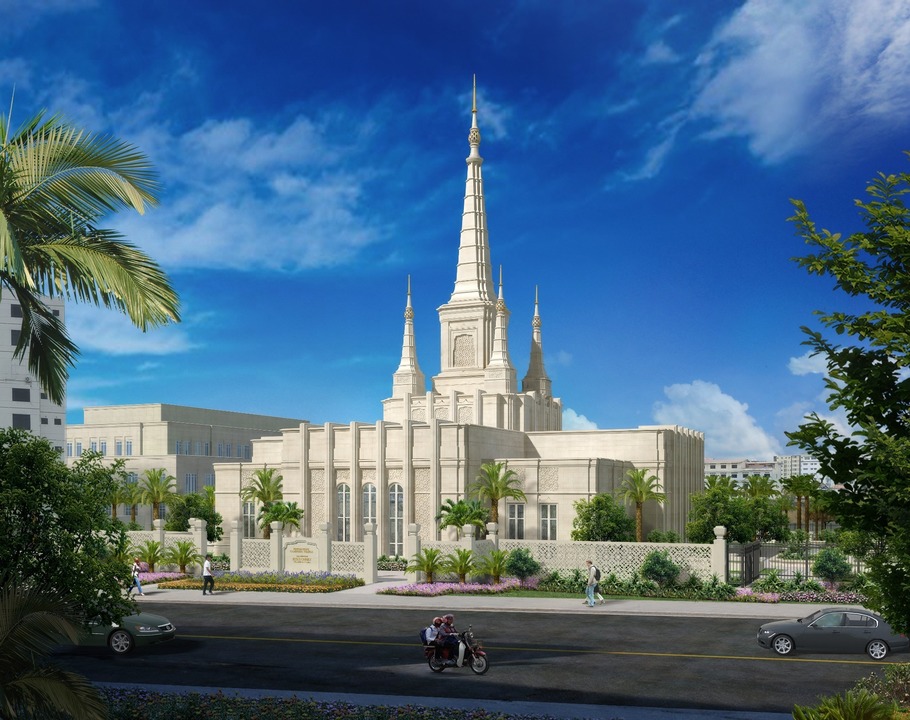
Phnom Bakheng
Sehenswürdigkeit
🕐 Monday: 5:00 AM – 7:00 PM; Tuesday: 5:00 AM – 7:00 PM; Wednesday: 5:00 AM – 7:00 PM; Thursday: 5:00 AM – 7:00 PM; Friday: 5:00 AM – 7:00 PM; Saturday: 5:00 AM – 7:00 PM; Sunday: 5:00 AM – 7:00 PM

Ta Prohm
Sehenswürdigkeit
Ta Prohm at Angkor Archaeological Park is the most atmospheric temple in the Khmer jungle, left partially unrestored so that massive strangler fig and silk-cotton tree roots embrace and invade the stone galleries and towers. Built in the late 12th century as a Buddhist monastery and university, Ta Prohm housed over 12,000 people including nearly 3,000 monks in its prime. Its enigmatic half-swallowed ruins, made famous by the Tomb Raider film, offer the most visceral encounter with the jungle reclaiming a lost civilization.
🕐 Monday: 7:30 AM – 5:30 PM; Tuesday: 7:30 AM – 5:30 PM; Wednesday: 7:30 AM – 5:30 PM; Thursday: 7:30 AM – 5:30 PM; Friday: 7:30 AM – 5:30 PM; Saturday: 7:30 AM – 5:30 PM; Sunday: 7:30 AM – 5:30 PM

Ta Prohm Tempel
Sehenswürdigkeit
Ta Prohm is one of the most atmospheric temples in the Angkor complex, unique for the way it has been left largely as it was found — with the roots of massive silk-cotton and strangler fig trees dramatically enveloping the stone towers and gallery walls. Built in 1186 by Jayavarman VII as a Mahayana Buddhist monastery and university, the temple was once home to over 12,000 people including 615 dancers. Its deliberately unreconstructed state, celebrated by its appearance in the film 'Lara Croft: Tomb Raider,' evokes a powerful sense of nature reclaiming civilization.
🕐 Monday: 7:30 AM – 5:30 PM; Tuesday: 7:30 AM – 5:30 PM; Wednesday: 7:30 AM – 5:30 PM; Thursday: 7:30 AM – 5:30 PM; Friday: 7:30 AM – 5:30 PM; Saturday: 7:30 AM – 5:30 PM; Sunday: 7:30 AM – 5:30 PM
—
—
—
6 Artikel

Zweimonatige Backpacking-Route durch Südostasien & vollständige Kostenaufteilung
Zwei Monate Backpacking durch Südostasien ist die klassische Überlandreise aus gutem Grund: Sie ist erschwinglich, vielfältig und voller unglaublicher Erfahrungen. Nach meiner Reise im Jahr 2025 teile ich hier meine vollständige Reiseroute und genaue Kostenaufteilung.

Der Banana Pancake Trail: Der Ultimative Tiefentauch-Guide für Backpacker in Südostasien

Cambodia: Angkor Wat, Siem Reap & Kampot Complete Guide (2026)
Complete guide to Cambodia: Angkor Wat and the Angkor Archaeological Park temple complex, Siem Reap's food scene and Phare circus, Phnom Penh's Royal Palace and Genocide Museum, and Kampot's

30-tägige Südostasien-Reise: Thailand, Vietnam, Kambodscha mit kleinem Budget
Entdecken Sie die Magie Südostasiens mit diesem umfassenden 30-Tage-Reiseplan durch Thailand, Vietnam und Kambodscha. Perfekt für preisbewusste Backpacker enthält dieser Guide detaillierte Tagespläne, Kostenaufstellungen, Reisetipps und authentische lokale Erfahrungen.

Angkor: Ancient Temple Kingdom – Complete In-Depth Exploration Guide
Explore Angkor's legendary temple kingdom spanning centuries, from the magnificent Angkor Wat to dozens of ancient ruins in Siem Reap.

Kambodscha Angkor Wat & Phnom Penh: Tempel, Geschichte & Kultur