
Japan · Easy
Japan's Shinkansen and Cultural Heritage Route: A 10-Day Tour from Tokyo to Kyoto and Surrounding Areas
A 10-day rail tour of Japan, connecting Tokyo’s landmarks, Kyoto’s cultural treasures, and Osaka’s culinary districts, with the Shinkansen linking all major cities throughout the journey.
- Days
- 10
- Stops
- 15
- Mapped stops
- 15
- Mapped distance
- 1,490.7 km
Share this itinerary
Trip
Day-by-day route
Day 1
1 stopsDay 2
2 stops · 85.1 km · 1 hr 30 minDay 3
2 stops · 2.9 km · 10 minDay 4
2 stops · 476.5 km · 6 hr 20 minDay 5
2 stops · 18.4 km · 60 minDay 6
1 stops · 49.6 km · 1 hr 10 minDay 7
2 stops · 39.9 km · 1 hr 10 minDay 8
1 stops · 305 km · 4 hr 0 minDay 9
1 stops · 493.9 km · 6 hr 10 minDay 10
1 stops · 19.3 km · 20 minMap explore
Map explore
Japan
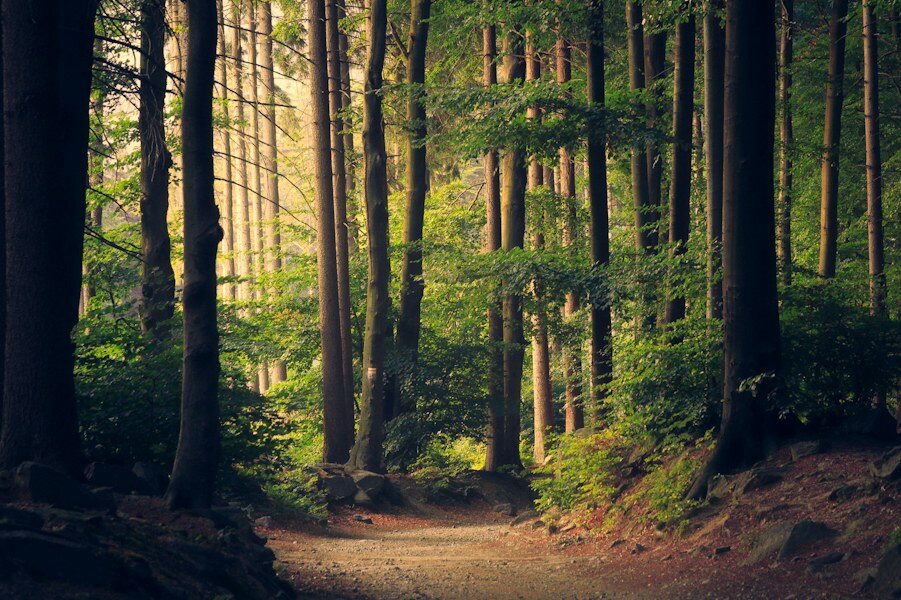
A slower route through forest roads, onsen towns and food-focused stops across Japan.
Japan
Kansai Region: Japan's Cultural Heartland - Independent Travel Guide
A comprehensive independent travel guide to Japan's Kansai region covering Kyoto, Osaka, Nara, Kobe and more. Includes cultural insights, food recommendations,
7 days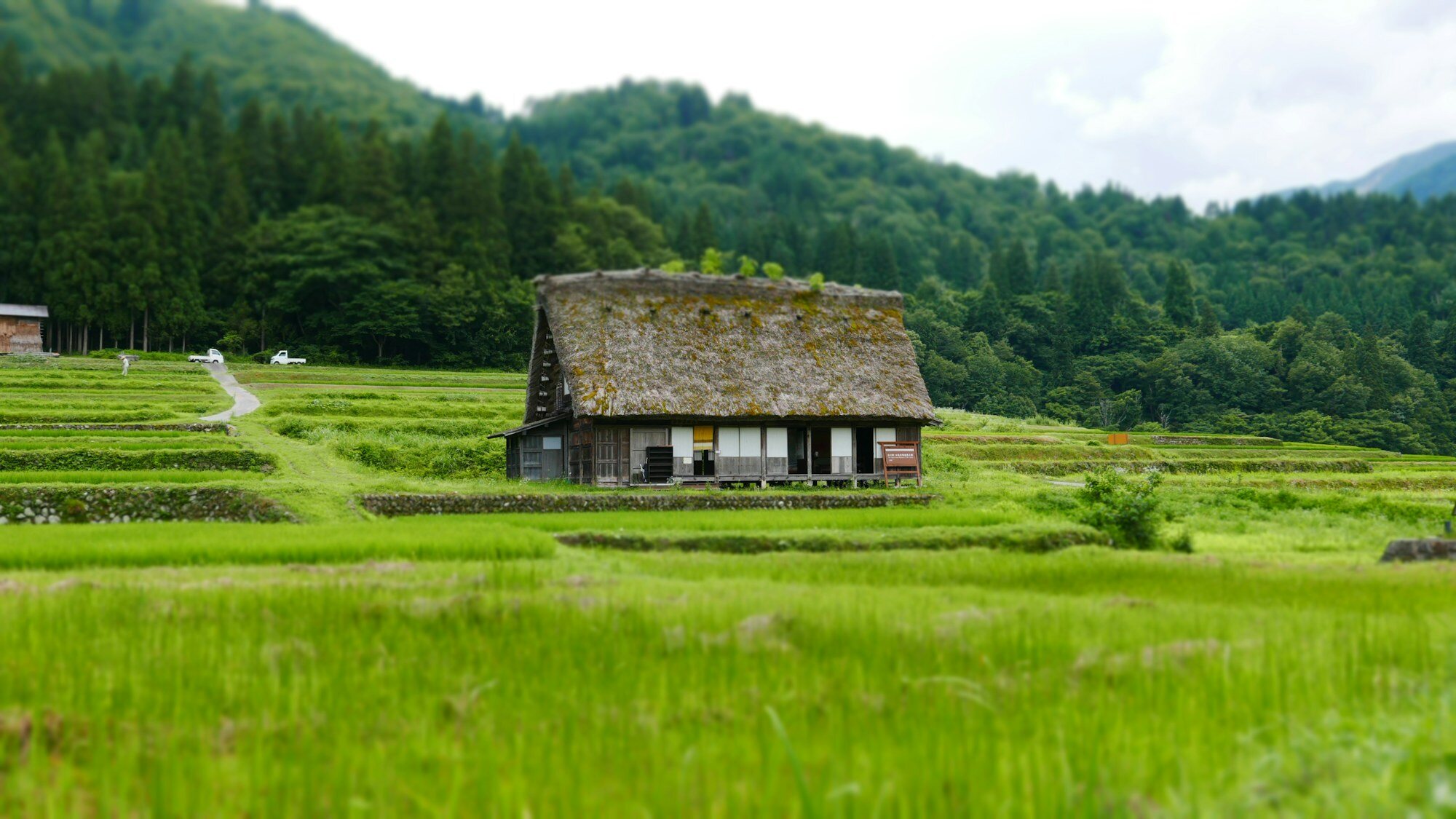
An In-Depth Tour of Rural Japan: A 14-Day Journey Through the Countryside and Hidden Villages
Venture deep into the Japanese countryside to explore traditional farming villages, hot spring towns far from the city, and hidden historical sites, and experie
14 days · Easy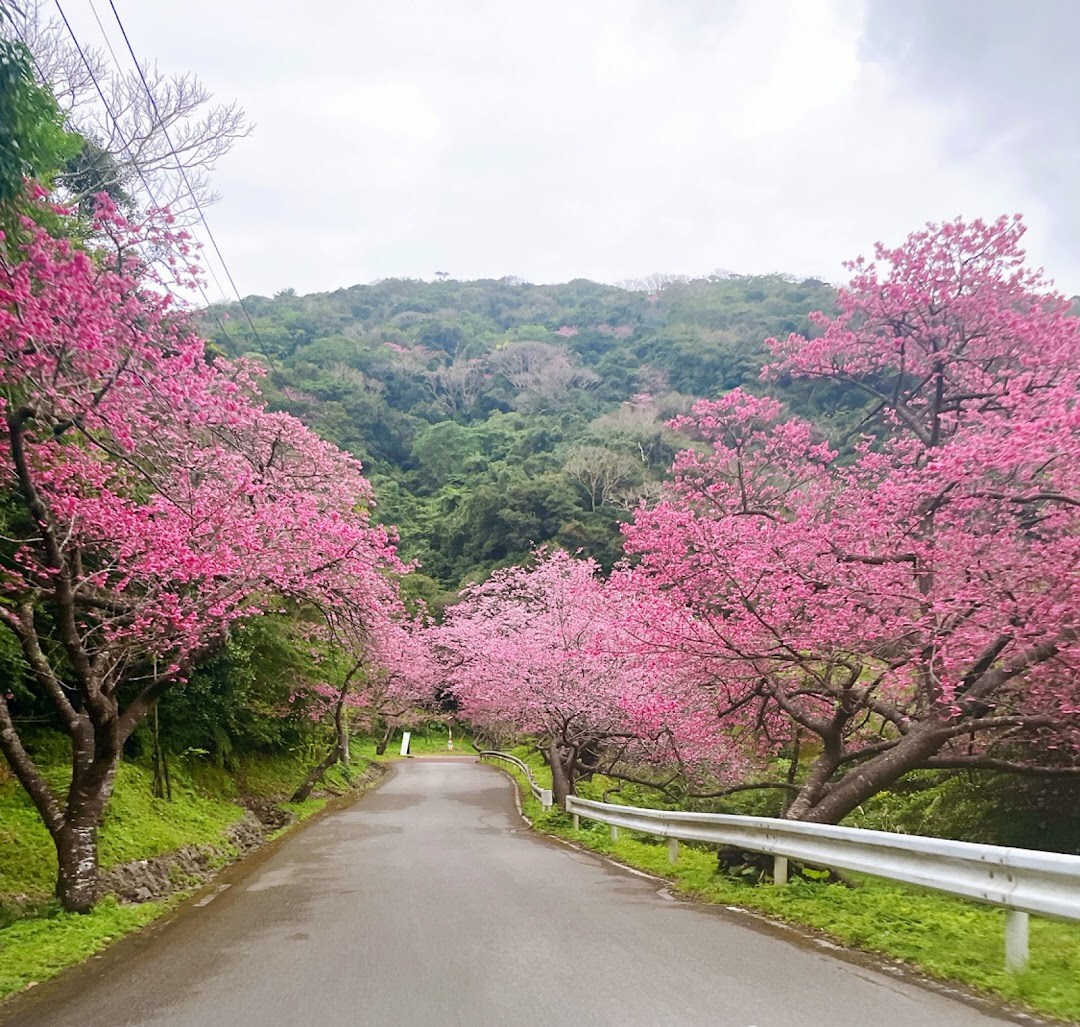
Cherry Blossom Season
Japan’s cherry blossom season is a spring tradition centered on hanami, the appreciation of flowers—especially sakura—and their fleeting beauty. Across the coun
Date pending official confirmation
10-Day Japan: Kyoto & Tokyo Solo Trip Report
Solo trip report: 10 days in Kyoto and Tokyo, Japan. Real costs, daily itinerary, best neighborhoods to explore, IC card tips, and advice for first-time solo tr
10 days
Central Japan and the Alps: 7-Day Road Trip
A seven-day central Japan route linking Matsumoto, Kamikochi, Takayama, Shirakawa-go, Kanazawa and Nagano with manageable mountain drives.
7 days · ModerateRelated reading
Discover places worth the detour
Japan
Japan's Shinkansen and Cultural Heritage Route: A 10-Day Tour from Tokyo to Kyoto and Surrounding Areas
Day 1
Narita International Airport (NRT)
Narita International Airport is Japan's primary international gateway, located 60 km northeast of central Tokyo in Chiba Prefecture. The airport handles the majority of Tokyo's long-haul international traffic and serves as a hub for Japan Airlines and ANA, with extensive routes across Asia, the Americas, Europe, and the Pacific. Three terminals connect to central Tokyo via the Narita Express (N'EX) in approximately 60 minutes, the Keisei Skyliner in 41 minutes to Ueno, and airport limousine buses serving major hotels and the Ginza and Shinjuku districts. Despite its distance from the city, Narita's efficient rail connections make it manageable for most visitors.
View in Google Maps
Day 2
Senso-ji Temple
Senso-ji Temple is Tokyo's oldest and most visited temple, a magnificent Buddhist complex in Asakusa founded in 645 AD according to legend. The towering Kaminarimon (Thunder Gate) with its huge red paper lantern leads to the Nakamise shopping street and the main hall housing a sacred golden image of Kannon, the goddess of mercy. With over 30 million annual visitors, Senso-ji is Japan's most visited spiritual site and the living heart of traditional Edo culture.
View in Google MapsShibuya Crossing
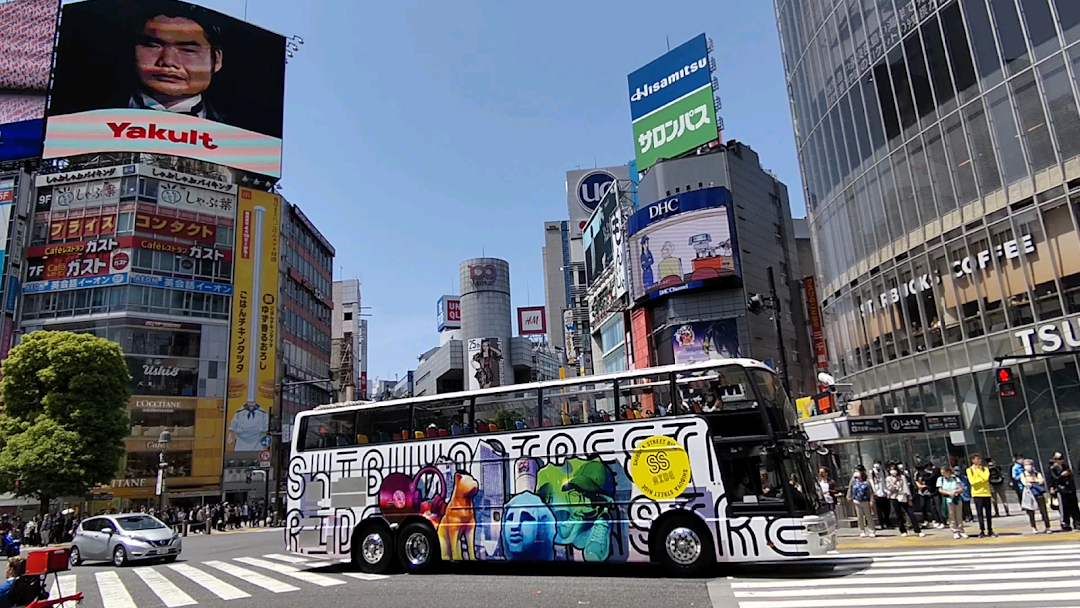
Shibuya Crossing is arguably the world's busiest pedestrian intersection, where up to 3,000 people cross simultaneously from all directions when the signal turns green. Located in front of Shibuya Station's Hachiko exit, this iconic scramble crossing has become a symbol of Tokyo's energetic urban life, featured in countless films and photographs. The surrounding Shibuya district offers a sensory overload of giant neon screens, department stores, trendy restaurants, and the famous Hachiko dog statue.
View in Google Maps
Day 3
teamLab Borderless
teamLab Borderless is an immersive digital art museum created by the art collective teamLab, offering a boundary-free world where artworks move freely across rooms and blend together. Visitors wander through a labyrinthine space of interconnected rooms filled with stunning light installations, interactive projections, and sound environments that respond to human presence and movement. It represents a new concept of art experience where the boundary between the artwork and the viewer dissolves, creating an ever-changing collective creation that cannot be experienced the same way twice.
View in Google MapsMeiji Shrine
Meiji Shrine is Tokyo's most visited Shinto shrine, dedicated to the deified spirits of Emperor Meiji and Empress Shoken. Nestled within an evergreen forest of 120,000 trees donated from across Japan, the forested approach along a wide gravel path lined with towering torii gates creates a remarkable sense of calm within the bustling metropolis. The shrine receives millions of New Year visitors in the first three days of January and hosts traditional ceremonies and weddings throughout the year.
View in Google Maps
Day 4
Arashiyama Bamboo Grove
Arashiyama Bamboo Grove in Kyoto is one of Japan's most celebrated natural landscapes, where towering bamboo stalks form a dense, atmospheric tunnel. The gentle rustling creates a meditative soundscape recognized as one of Japan's 100 Soundscapes. Adjacent to the UNESCO World Heritage Tenryū-ji Temple, the grove rewards early morning visitors with a serene atmosphere and extraordinary natural beauty.
View in Google MapsGion District
The Gion District is Kyoto's most famous geisha quarter, a beautifully preserved neighborhood of traditional machiya townhouses, ochaya teahouses, and stone-paved lanes. Hanamikoji Street is the best place to glimpse white-faced maiko and geiko in full regalia as they glide between evening appointments. The area's atmospheric lantern-lit streets are at their most magical during the Gion Matsuri festival in July.
View in Google Maps
Day 5
Fushimi Inari Shrine
View in Google MapsKinkaku-ji (Golden Pavilion)
Kinkaku-ji is a notable point of interest, offering visitors an opportunity to experience the distinctive character and appeal of this destination. Whether for its natural beauty, cultural significance, or unique atmosphere, it provides a rewarding experience as part of a broader exploration of the area.
View in Google Maps
Day 6
Nara - Todai-ji Temple
View in Google Maps
Day 7
Osaka Castle
Osaka Castle is one of Japan's most famous landmarks, a majestic five-story, eight-floor castle tower dominating central Osaka. Originally built in 1583 by Toyotomi Hideyoshi — the ambitious warlord who reunified Japan — the castle played a central role in the unification of Japan during the Azuchi-Momoyama period. The current tower (reconstructed in 1931 and renovated in 1997) houses a museum of the castle's tumultuous history, and is spectacular when the surrounding 1,000 cherry trees bloom each spring.
View in Google MapsDotonbori District
Dotonbori (second reference) is the electric heart of Osaka's entertainment district, a canal-side boulevard of neon signs, mechanical food mascots, and an overwhelming density of restaurants, bars, and entertainment venues. The iconic Glico Running Man billboard has been illuminating the canal since 1935, and the giant mechanical crab, puffer fish, and octopus signs of the neighboring restaurants have made Dotonbori one of Japan's most photographed nighttime scenes. It is the epicenter of Osaka's proud eating culture.
View in Google Maps
Day 8
Kanazawa - Kenroku-en Garden
Kenroku-en Garden is a green or protected area valued for its landscape, walking routes, and outdoor atmosphere. Visitors come for nature, viewpoints, and a quieter break from dense city sightseeing.
View in Google Maps
Day 9
Ginza Shopping District
View in Google Maps
Day 10
Tokyo Haneda Airport (HND)
Tokyo's Haneda Airport is Japan's busiest airport by passenger volume and the most convenient international gateway for central Tokyo, located just 14 km from the city center in Ōta Ward. Following its international terminal expansion in 2010 and 2020, Haneda now serves a growing number of international routes alongside its extensive domestic network, making it the preferred option for travellers arriving from cities with direct connections. The Tokyo Monorail and Keikyu Line provide rapid transit to Hamamatsucho and Shinagawa respectively, each reachable in under 30 minutes. Haneda's proximity and frequency of services make it the operationally superior choice for business travelers.
View in Google Maps