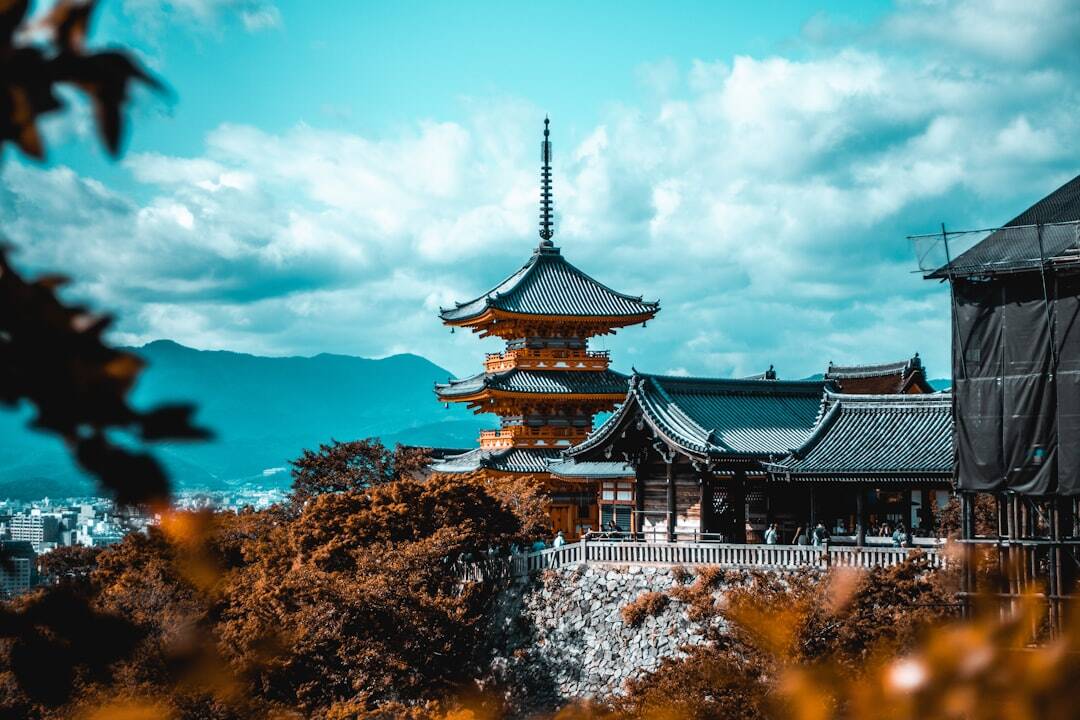
Japan's temples are not interchangeable attractions. Each sits within a living religious, historical, and neighborhood context. This twelve-day route combines Tokyo, Kanazawa, Kyoto, and Nara, giving major sites early-morning space while leaving time for gardens, food, crafts, and ordinary city life.
Days 1-3: Tokyo old and new
Use the first day to recover and learn the rail system around the hotel. On day two, pair one older district and temple area with a contrasting modern neighborhood. Avoid crossing the city repeatedly for a list of famous photographs.
Spend day three on a museum, garden, or craft-focused district. Opening days vary, and timed reservations are increasingly common at popular attractions. Start with the official Japan National Tourism Organization and then verify details on the venue's own site.
At temples and shrines, watch what local visitors do. Keep voices low, do not block worship, and follow signs about photography. Purification and prayer customs can be observed respectfully without turning them into a performance.
Days 4-5: Kanazawa as a slower stop
Take the train to Kanazawa and stay two nights. The city offers a manageable mix of garden design, preserved districts, contemporary art, and regional crafts. Choose a small number of places and leave time to walk between them.
If attending a tea or craft experience, look for a host who explains context and welcomes questions. A short visitor workshop is an introduction, not mastery of a tradition. Ask before photographing the host, tools, or private interiors.
Days 6-10: Kyoto with deliberate pacing
Travel to Kyoto and use it as a five-night base. Group visits by area. An eastern district day, a northern-temple day, and an Arashiyama-area day are more efficient than moving across the city after every stop.
Begin the busiest outdoor sites early, but remember that surrounding neighborhoods are residential. Do not trespass on private lanes, photograph geiko or maiko without consent, or block narrow streets. Kyoto's visitor guidance explains current etiquette through the Kyoto City Official Travel Guide.
Reserve one day for places outside the best-known circuit. A neighborhood temple, garden, museum, or artisan visit can offer more context than a tenth crowded photo stop. Use another half-day for rest, laundry, or a long meal.
Day 11: Nara day trip
Take the train to Nara and walk a coherent route through the park and temple area. Deer are wild animals despite their familiarity with visitors. Feed only approved food where permitted, keep paper and plastic secured, and step away if an animal becomes forceful.
Temple halls may restrict shoes, photography, food, or tripods. Carry socks, follow staff instructions, and leave enough time that you are not rushing through active religious spaces.
Day 12: Departure planning
Return to the most practical airport gateway based on the flight. Japan's trains are reliable, but weather, maintenance, and crowded holiday periods still cause disruption. Leave a buffer and check oversized-baggage and seat-reservation rules for the chosen service.
Rail passes, luggage, and seasons
A nationwide rail pass is not automatically the cheapest option. Price the actual long-distance journeys against individual tickets and regional passes. Use an IC card for compatible local transport, but understand that it does not replace every reserved intercity ticket.
Pack light or use a reputable luggage-forwarding service, confirming delivery time with the hotel. Cherry blossom and autumn-color timing varies by region and year; do not build a non-refundable trip around a forecast published months in advance. Summer heat and humidity can make a modest walking plan demanding.
Cultural basics
Queue, keep phone calls off crowded trains, carry rubbish until a bin is available, and follow rules for baths and footwear. English support is common in major destinations but not universal. A few polite Japanese phrases and patience are more useful than expecting every process to match home.
Sources and checks
- Japan National Tourism Organization
- Kyoto City Official Travel Guide
- Tokyo official travel guide
- JR timetable and service information
Last reviewed: September 2026. Verify transport rules, opening times, reservations, and local visitor guidance before travel.
Cover photo
Photo by Cosmin Georgian on Unsplash.