

Japan · Easy
10-Day Self-Drive Tour Itinerary in Kyushu, Japan
A 10-day scenic road trip across Kyushu, Japan, passing through Fukuoka, Kumamoto, Nagasaki, Kagoshima, Miyazaki, and Oita. Experience hot springs, volcanic landscapes, and iconic Japanese cultural attractions.
- Days
- 10
- Stops
- 14
- Mapped stops
- 14
- Mapped distance
- 1,345 km
Share this itinerary
Trip
Day-by-day route
Day 1
1 stopsDay 2
1 stops · 1.1 km · 4 minDay 3
2 stops · 117.1 km · 2 hr 0 minDay 4
2 stops · 214.9 km · 3 hr 0 minDay 5
1 stops · 405.1 km · 5 hr 10 minDay 6
1 stops · 8.8 km · 15 minDay 7
2 stops · 323.8 km · 5 hr 20 minDay 8
1 stops · 109.1 km · 2 hr 10 minDay 9
2 stops · 158.5 km · 2 hr 30 minDay 10
1 stops · 6.6 km · 15 minMap explore
Map explore
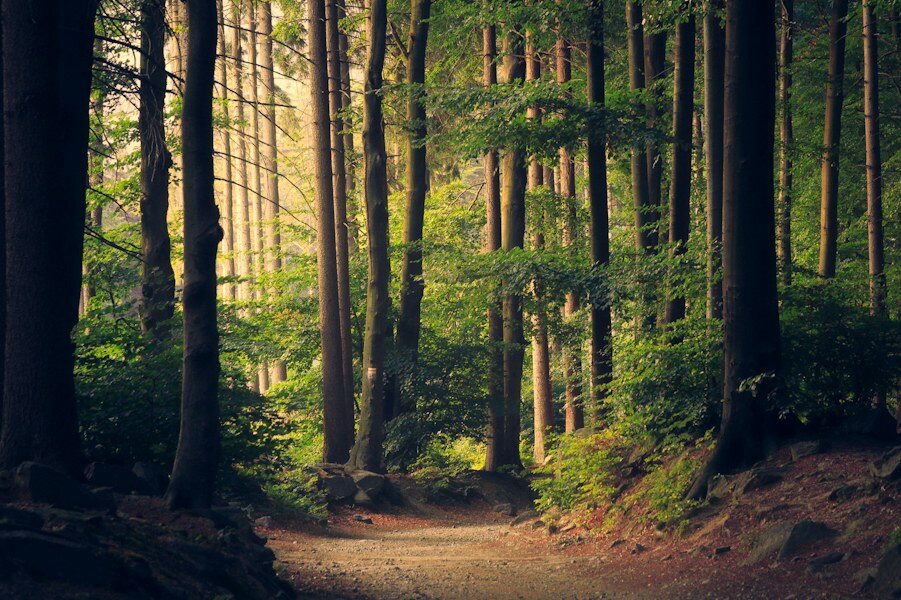
Japan
A slower route through forest roads, onsen towns and food-focused stops across Japan.
Japan
Kansai Region: Japan's Cultural Heartland - Independent Travel Guide
A comprehensive independent travel guide to Japan's Kansai region covering Kyoto, Osaka, Nara, Kobe and more. Includes cultural insights, food recommendations,
7 days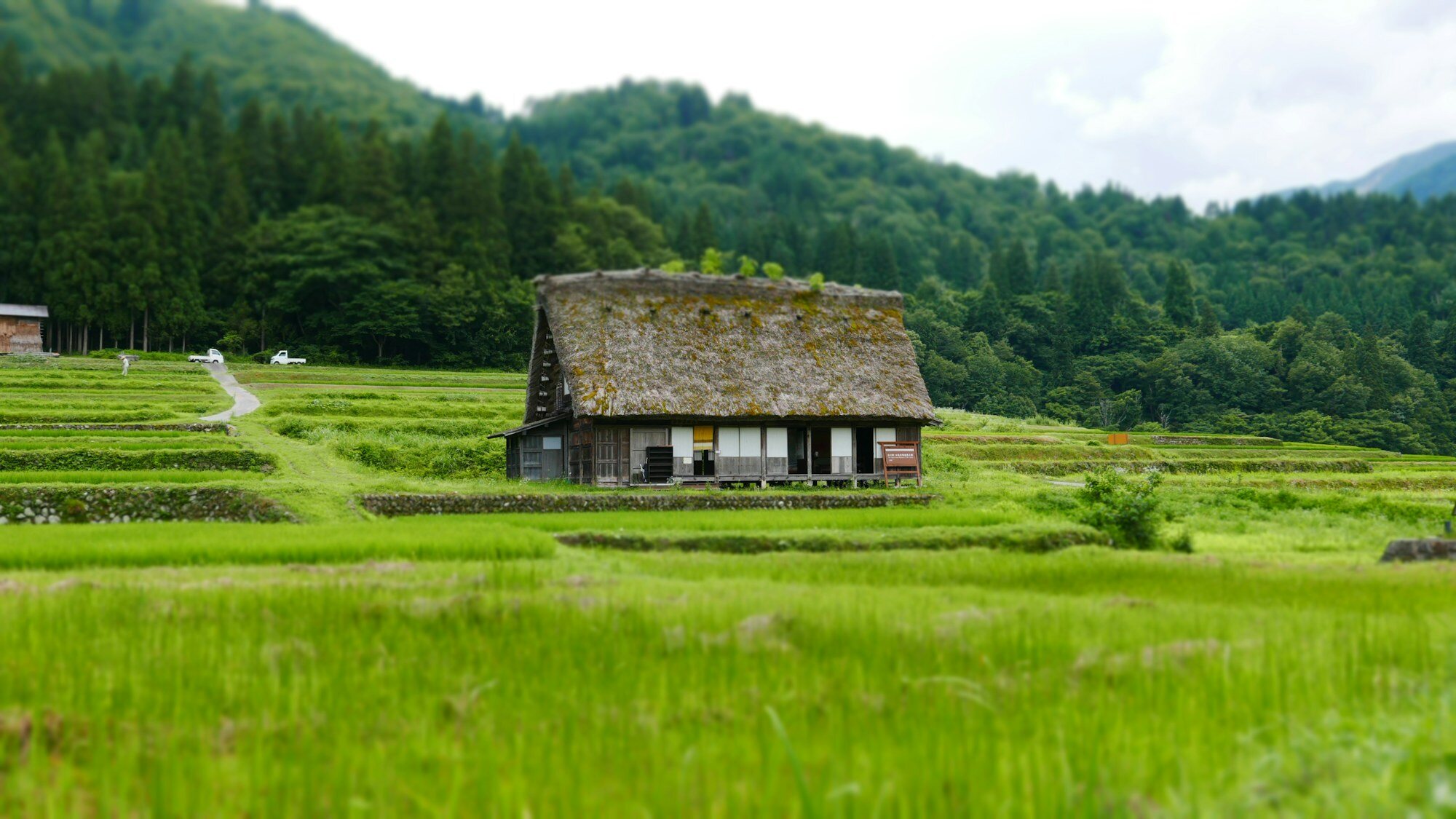
An In-Depth Tour of Rural Japan: A 14-Day Journey Through the Countryside and Hidden Villages
Venture deep into the Japanese countryside to explore traditional farming villages, hot spring towns far from the city, and hidden historical sites, and experie
14 days · Easy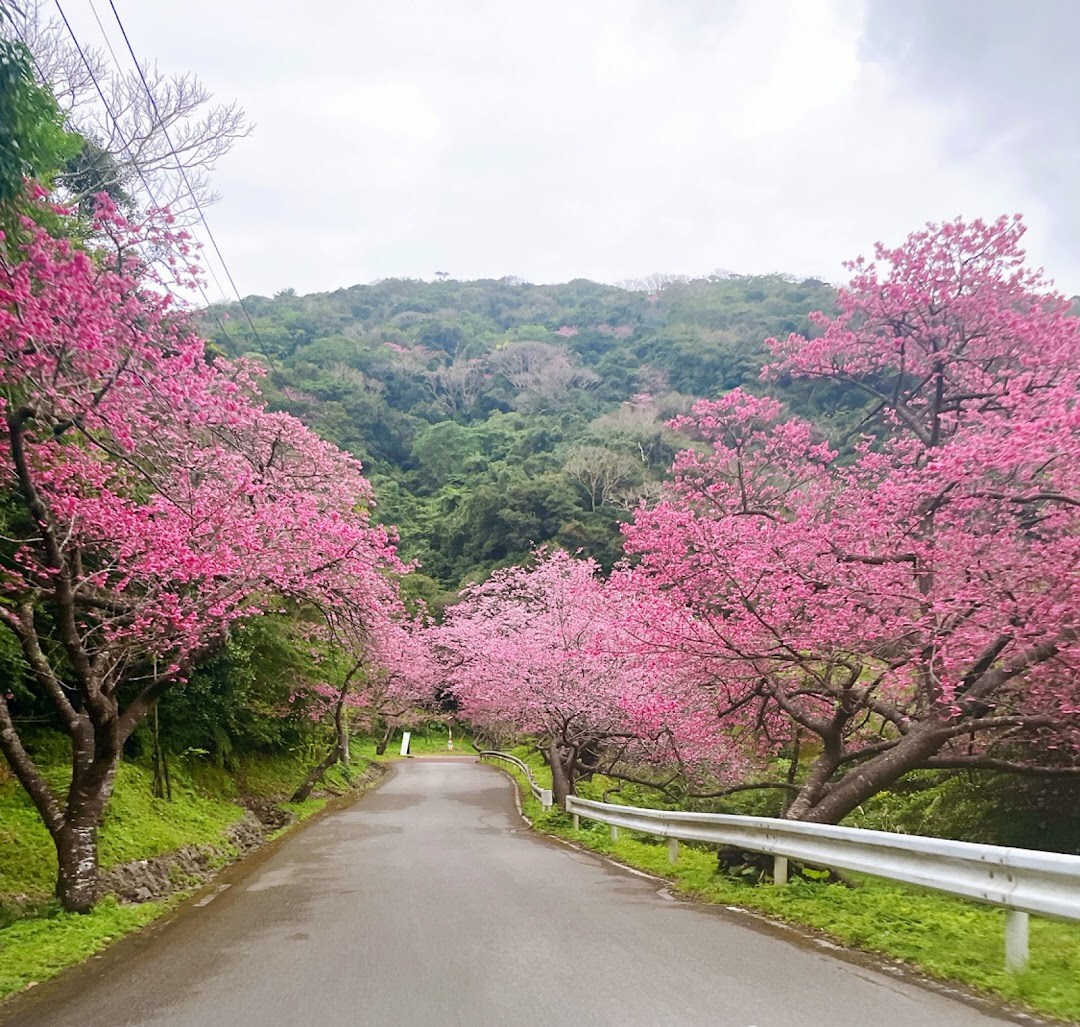
Cherry Blossom Season
Japan’s cherry blossom season is a spring tradition centered on hanami, the appreciation of flowers—especially sakura—and their fleeting beauty. Across the coun
Date pending official confirmation10-Day Japan: Kyoto & Tokyo Solo Trip Report
Solo trip report: 10 days in Kyoto and Tokyo, Japan. Real costs, daily itinerary, best neighborhoods to explore, IC card tips, and advice for first-time solo tr
10 days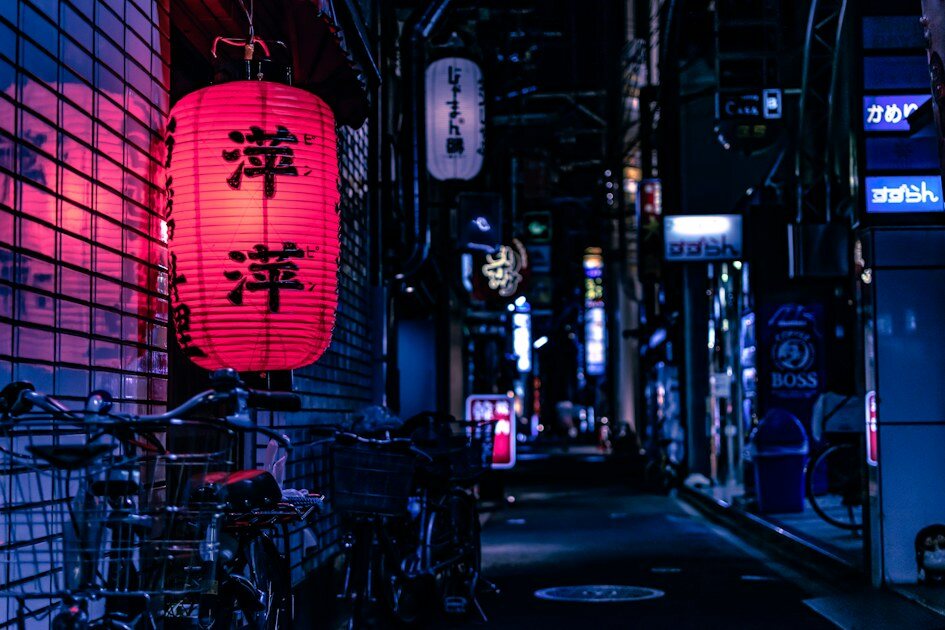
Central Japan and the Alps: 7-Day Road Trip
A seven-day central Japan route linking Matsumoto, Kamikochi, Takayama, Shirakawa-go, Kanazawa and Nagano with manageable mountain drives.
7 days · ModerateRelated reading
Discover places worth the detour
Japan
10-Day Self-Drive Tour Itinerary in Kyushu, Japan
Day 1
Ohori Park
Ohori Park is a natural protected area , preserving the region's remarkable landscapes and biodiversity. The park offers excellent opportunities for wildlife spotting, hiking, and enjoying nature in its preserved state. Walking trails, scenic viewpoints, and encounters with local flora and fauna make it a rewarding natural destination.
View in Google Maps
Day 2
Ohori Park & Fukuoka Castle Ruins
View in Google Maps
Day 3
Kumamoto Castle
Kumamoto Castle is a historic site , offering a fascinating glimpse into the region's rich past. The historical architecture and cultural significance of this landmark provide visitors with a tangible connection to the long history of human settlement and cultural development in this area.
View in Google MapsSuizenji Jojuen Garden
Suizenji Jojuen Garden is a natural protected area , preserving the region's remarkable landscapes and biodiversity. The park offers excellent opportunities for wildlife spotting, hiking, and enjoying nature in its preserved state. Walking trails, scenic viewpoints, and encounters with local flora and fauna make it a rewarding natural destination.
View in Google Maps
Day 4
Nagasaki Peace Park
Nagasaki Peace Park is a natural protected area , preserving the region's remarkable landscapes and biodiversity. The park offers excellent opportunities for wildlife spotting, hiking, and enjoying nature in its preserved state. Walking trails, scenic viewpoints, and encounters with local flora and fauna make it a rewarding natural destination.
View in Google MapsGlover Garden
Glover Garden in Nagasaki is an open-air hillside museum of 19th-century colonial-style Western residences built by Scottish and other foreign merchants who settled in Nagasaki during Japan's Meiji-era opening to the West. The preserved garden, with views over Nagasaki harbor, includes the home of Thomas Blake Glover, a Scottish merchant who played a key role in Japan's early industrialization. The garden inspired Puccini's opera Madam Butterfly with its story of cross-cultural romance.
View in Google Maps
Day 5
Sakurajima Volcano
Sakurajima is an active stratovolcano in Kagoshima Bay in southern Kyushu, one of Japan's most dramatic volcanoes and still visibly puffing ash over the city of Kagoshima. The island was physically connected to the Ōsumi Peninsula by a lava flow in 1914, and its obsidian-black lava landscapes are explored on foot and by bicycle. The contrast between the volcano's raw destructive power and the human communities living on its slopes is one of the most compelling natural experiences in Japan.
View in Google Maps
Day 6
Sakurajima Volcano Ferry & Lava Field
View in Google Maps
Day 7
Aoshima Shrine
Aoshima Shrine is a vermilion Shinto shrine perched on a small subtropical island connected to the Miyazaki shore by a footbridge, surrounded by a bizarre washboard rock formation called Devil's Washboard (oni no sentakuita). The sacred island, covered in subtropical vegetation including large fan palms, is home to the shrine dedicated to the sea god Yamatsumi-no-kami. The dramatic contrast between the crimson shrine, the jagged rock platform, and the Pacific surf makes it one of Kyushu's most distinctive coastal sights.
View in Google MapsMount Aso Crater
View in Google Maps
Day 8
Beppu Hells (Jigoku Meguri)
Beppu's Hells (Beppu Jigoku) are nine spectacularly colored geothermal pools in Beppu city on Japan's Kyushu island, designated national monuments for their extraordinary appearance. Each has a distinct character: Umi Jigoku (Sea Hell) is a vivid cobalt blue, Chinoike Jigoku (Blood Pond Hell) is blood red, and Tatsumaki Jigoku features a regularly erupting geyser. The Hells are for viewing rather than bathing, and touring them provides a surreal encounter with Beppu's extraordinary geothermal activity.
View in Google Maps
Day 9
Yufuin (Optional)
View in Google MapsFukuoka (Return)
View in Google Maps
Day 10
Fukuoka Airport Departure
Fukuoka Airport Departure is a key transport point for leaving Kyushu, with fast subway access from central Fukuoka and domestic and international flight connections.
View in Google Maps