
Trip

7-Day Leisurely Tour of Tokyo and Kyoto: Neighborhood Walks, a Half-Day in Uji, and Balancing Transportation Costs

A 7-day itinerary with 3 nights each in Tokyo and Kyoto: Minimize back-and-forth travel between neighborhoods by dividing the trip into city walking tours and Shinkansen transfers; provide guidance on luggage in Kyoto, etiquette in Gion, and whether the JR Pass is necessary.

Author: Tourants editorial · Last edited:

7 daysDaysbudgetTypical daily budgetJapanDestination
Start planning →
7-Day Leisurely Tour of Tokyo and Kyoto: Neighborhood Walks, a Half-Day in Uji, and Balancing Transportation Costs

If you’re visiting Tokyo and Kyoto for the first time and only have one week, the most practical approach is to minimize hotel changes and focus on exploring one neighborhood per day. The itinerary below is based on 3 nights in Tokyo and 3 nights in Kyoto, assuming you enter through Tokyo and depart from Kansai. The suggested number of days is determined by the editor and does not include international flight times; it also does not assume that all flights will connect. If you must return from Tokyo, you’ll need to set aside Day 7 for your return trip, or skip Uji—avoid rushing between cities to visit sights on your departure day.

First, decide where to stay, then figure out your daily route.

In Tokyo, you can choose to stay near Ueno, Asakusa, or Tokyo Station based on airport transportation and daily travel routes. The key factors are the actual walking distance from your hotel to the station and the number of transfers required. Asakusa is ideal if you plan to focus on the eastern part of the city; if you intend to visit the western part every day, be sure to factor in the round-trip travel time.

In Kyoto, you can choose between the area around Kyoto Station and the Shijo area: Kyoto Station is convenient for long-distance travel and airport transportation, while the Shijo area is better suited for evening walks and dining. If you’re traveling with large luggage, factors such as elevators, hotel luggage storage, and how to get to your destination after arriving at the station are more important than the straight-line distance on a map.

7-Day Itinerary and Daily Highlights

DateSuggested ScheduleWhy This Schedule
Day 1Arrive in Tokyo; after checking in, take a short walk around the hotelAllow for flight delays and jet lag; avoid time-sensitive bookings on arrival day
Day 2Senso-ji Temple, Nakamise, and the Sumida River area; if you have time, add Ueno to your itineraryFocus on eastern Tokyo and avoid traveling across multiple distant neighborhoods in a single day
Day 3Yanaka, Nezu, and Sendagi; or substitute with a museum that interests you moreAllow time to explore the neighborhood and walk around; don’t assume that “hidden” means there won’t be anyone there
Day 4Take the Shinkansen from Tokyo to Kyoto, drop off your luggage first, and enjoy a leisurely stroll in the eveningTravel between cities and check-in take time, so plan fewer activities on travel days
Day 5Kiyomizu-dera Temple, Sannenzaka/Ninenzaka, Yasaka Shrine; continue along public roads to GionThe route is relatively straightforward, but there are slopes and stairs, so you’ll need to slow down
Day 6Uji; if you’d rather stay in Kyoto, you can substitute this with a temple districtThis is a day you can skip—there’s no need to cram in both Nara and Osaka at the same time
Day 7Departure is subject to flight schedules; sightseeing is optional only if time permitsReturn travel takes priority; airport transportation will be confirmed based on actual schedules

Eastern Tokyo: Asakusa and Ueno—More Than Just a Photo of the Kaminarimon Gate

You can start your visit to Asakusa at Senso-ji Temple and Nakamise Street, then walk down to the banks of the Sumida River. Early morning is a good time to admire the architecture and the neighborhood, though shops may not be open yet; if you’re mainly there to shop, don’t arrive too early just to “avoid the crowds” only to end up waiting around. The opening schedules for the temple grounds and the shopping street also differ.

In Ueno, you can choose just one museum, Ueno Park, or Ameyoko Street based on your interests—you don’t have to visit all of them to count it as a trip. On rainy days, swap a long riverside stroll for an indoor venue that’s confirmed to be open; be sure to check museum closing days and special exhibition reservations separately.

Tokyo, Japan: Senso-ji Temple’s Hozomon Gate and Five-Story Pagoda

Yanesen: Yanaka, Nezu and Sendagi: Treating Residential Neighborhoods as Places Where People Still Live

Yanaka, Nezu, and Sendagi are great for exploring temples, alleyways, and small shops on foot. You can follow the official walking route starting from Nippori, taking it one section at a time based on your stamina—there’s no need to visit every single side street. This isn’t a closed-off pedestrian-only area, and shops have their own days off.

When taking photos, do not enter restricted areas such as homes, stores, or cemeteries, and do not treat locals’ daily lives as a free show. If you wish to photograph items in a store, staff members, or residents, ask for permission first; when encountering narrow streets, leave a clear path for pedestrians.

Kyoto's Higashiyama District: Taking it one street at a time is more relaxing than hopping from place to place

On Day 5, first confirm your plans for visiting Kiyomizu-dera Temple, then walk along Sannenzaka and Ninenzaka toward Yasaka Shrine. Although the main attractions are within walking distance of each other, slopes, stairs, meal breaks, and crowds may slow your progress. If you’re traveling with elderly family members, pushing a stroller, or have knee problems, you should shorten the sections involving slopes and look for accessible routes instead.

When traveling to Higashiyama, consider combining the train with walking; you don’t have to automatically take a direct bus from Kyoto Station. Leave large luggage at your hotel or a designated storage facility first; Kyoto officials advise against bringing large suitcases on crowded city buses, as keeping them with you will make navigating steps and narrow streets even more difficult.

Kyoto, Japan: The Red Pagoda on the Grounds of Kiyomizu-dera Temple

The public roads and private alleys in Gion are not the same. Walk only on roads where access is permitted, and stop immediately if you see “No Entry” or “No Photography” signs; do not chase, surround, or touch geisha or maiko who are working. Even if you visit early in the morning, you must still follow the rules—this does not mean you are allowed to enter private roads.

Uji: Tea, the River, and Temples—Set Aside Half a Day to a Full Day

Starting from Kyoto, you can choose between the JR Nara Line and the Keihan Line—just keep in mind that JR Uji Station and Keihan Uji Station are not in the same location. For your first visit, you can plan a walking tour around Byodo-in Temple, the tea shops along Omotesando, and the Uji River; if you want to take your time exploring the exhibits, enjoying a meal, or visiting Ujigami Shrine, it’s best to set aside a full day.

Different areas of Byodo-in Temple and special tours may have their own schedules, so don’t assume that simply arriving in a city guarantees you’ll be able to participate in all activities. If you don’t need to shop or aren’t interested in temples, you can also spend the day relaxing in Kyoto to avoid wasting time on transportation just to add another city to your itinerary.

How to Save on Transportation Costs: First, Eliminate Round-Trips; Then, Compare Ticket Options

Since this itinerary includes only one long-distance trip from Tokyo to Kyoto, you shouldn’t assume the nationwide JR Pass is good value simply because you are spending a week in Japan. First, check the price of a one-way Shinkansen ticket on your departure date, then calculate the separate transportation costs for Tokyo, Kyoto, and Uji; also, keep in mind that subways, private railways, and buses are not all covered by the JR Pass. For specific pass rules, please refer to the official JR Pass guidelines.

Official Information on the JR Pass

When comparing accommodations, start by looking at the total price for 6 nights, then confirm the number of guests, taxes, cancellation policies, and walking distance from the station. For meals, budget separately for convenience store breakfasts, simple lunches, and one meal where you want to dine properly; for attractions, set aside funds only for paid exhibitions that genuinely interest you. We do not provide a fixed “all-inclusive total price” across seasons here, as room types, exchange rates, airfare, and booked activities can significantly affect the cost.

On the day of your Shinkansen transfer, allow enough time to get from your hotel to the station, pick up your tickets, find your platform, and reach the hotel after getting off the train. If you are carrying standard oversized luggage with a combined length, width, and height exceeding 160 centimeters, check the Shinkansen’s oversized luggage reservation rules before departure—do not wait until you arrive at the station to handle this.

Rules for Booking Oversized Luggage

Adjust Your Plans Based on the Weather and Your Energy Level

  • Rainy days: Shorten the walk along the Sumida River and replace it with a visit to a museum confirmed to be open; reduce the number of sections with ramps when the stone steps on Higashiyama are slippery.
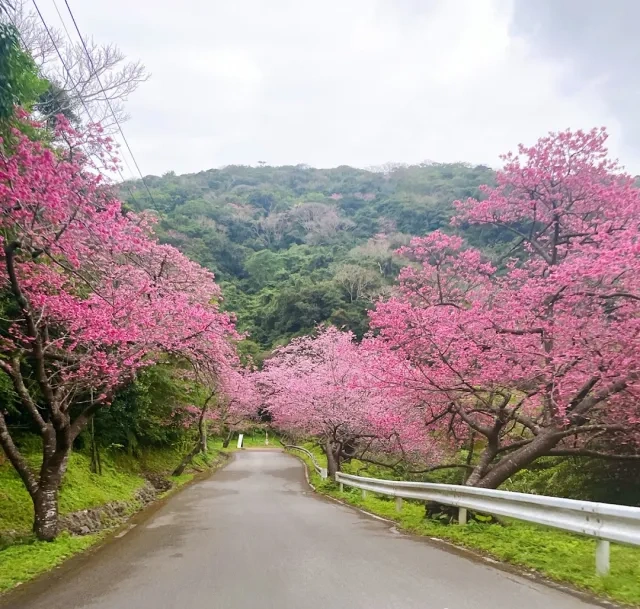
  • If you want to see cherry blossoms or autumn foliage: Flowering times, leaf colors, and weather can vary from year to year, so don’t take a photo from a specific day as a guarantee for the entire year.
  • Departure from Tokyo: On Day 7, the itinerary includes a return to Tokyo; visits to Uji or Osaka will no longer be included. It is especially important to return to your departure city well in advance of your international flight.
  • With only 5 days: Choose one city to explore in more depth, or cut back on one full day of sightseeing—don’t try to squeeze in more time by switching hotels every day.

Official Information Before Departure

Guide to the Asakusa Area in Tokyo

Official Walking Routes in Yanaka and Nezu

Walking Itinerary for Kyoto's Higashiyama District

Official Train-and-Walking Access to Higashiyama

Information on Luggage Storage and Delivery in Kyoto

Map of Public and Private Roads in Gion and Photography Rules

JNTO Uji Guide

Information regarding opening hours, transportation, and reservations is subject to official announcements for the travel dates. The above are flexible, personalized itinerary suggestions and do not guarantee empty streets, specific blooming periods, or the availability of reservations for all activities.

7-Day Leisurely Tour of Tokyo and Kyoto: Neighborhood Walks, a Half-Day in Uji, and Balancing Transportation Costs
tourants.

Trip

7-Day Leisurely Tour of Tokyo and Kyoto: Neighborhood Walks, a Half-Day in Uji, and Balancing Transportation Costs

A 7-day itinerary with 3 nights each in Tokyo and Kyoto: Minimize back-and-forth travel between neighborhoods by dividing the trip into city walking tours and Shinkansen transfers; provide guidance on luggage in Kyoto, etiquette in Gion, and whether the JR Pass is necessary.
Days
7 days
Typical daily budget
budget
Destination
Japan

Author: Tourants editorial · Last edited: Nov 5, 2026

If you’re visiting Tokyo and Kyoto for the first time and only have one week, the most practical approach is to minimize hotel changes and focus on exploring one neighborhood per day. The itinerary below is based on 3 nights in Tokyo and 3 nights in Kyoto, assuming you enter through Tokyo and depart from Kansai. The suggested number of days is determined by the editor and does not include international flight times; it also does not assume that all flights will connect. If you must return from Tokyo, you’ll need to set aside Day 7 for your return trip, or skip Uji—avoid rushing between cities to visit sights on your departure day.

First, decide where to stay, then figure out your daily route.

In Tokyo, you can choose to stay near Ueno, Asakusa, or Tokyo Station based on airport transportation and daily travel routes. The key factors are the actual walking distance from your hotel to the station and the number of transfers required. Asakusa is ideal if you plan to focus on the eastern part of the city; if you intend to visit the western part every day, be sure to factor in the round-trip travel time.

In Kyoto, you can choose between the area around Kyoto Station and the Shijo area: Kyoto Station is convenient for long-distance travel and airport transportation, while the Shijo area is better suited for evening walks and dining. If you’re traveling with large luggage, factors such as elevators, hotel luggage storage, and how to get to your destination after arriving at the station are more important than the straight-line distance on a map.

7-Day Itinerary and Daily Highlights

DateSuggested ScheduleWhy This Schedule
Day 1Arrive in Tokyo; after checking in, take a short walk around the hotelAllow for flight delays and jet lag; avoid time-sensitive bookings on arrival day
Day 2Senso-ji Temple, Nakamise, and the Sumida River area; if you have time, add Ueno to your itineraryFocus on eastern Tokyo and avoid traveling across multiple distant neighborhoods in a single day
Day 3Yanaka, Nezu, and Sendagi; or substitute with a museum that interests you moreAllow time to explore the neighborhood and walk around; don’t assume that “hidden” means there won’t be anyone there
Day 4Take the Shinkansen from Tokyo to Kyoto, drop off your luggage first, and enjoy a leisurely stroll in the eveningTravel between cities and check-in take time, so plan fewer activities on travel days
Day 5Kiyomizu-dera Temple, Sannenzaka/Ninenzaka, Yasaka Shrine; continue along public roads to GionThe route is relatively straightforward, but there are slopes and stairs, so you’ll need to slow down
Day 6Uji; if you’d rather stay in Kyoto, you can substitute this with a temple districtThis is a day you can skip—there’s no need to cram in both Nara and Osaka at the same time
Day 7Departure is subject to flight schedules; sightseeing is optional only if time permitsReturn travel takes priority; airport transportation will be confirmed based on actual schedules

Eastern Tokyo: Asakusa and Ueno—More Than Just a Photo of the Kaminarimon Gate

You can start your visit to Asakusa at Senso-ji Temple and Nakamise Street, then walk down to the banks of the Sumida River. Early morning is a good time to admire the architecture and the neighborhood, though shops may not be open yet; if you’re mainly there to shop, don’t arrive too early just to “avoid the crowds” only to end up waiting around. The opening schedules for the temple grounds and the shopping street also differ.

In Ueno, you can choose just one museum, Ueno Park, or Ameyoko Street based on your interests—you don’t have to visit all of them to count it as a trip. On rainy days, swap a long riverside stroll for an indoor venue that’s confirmed to be open; be sure to check museum closing days and special exhibition reservations separately.

Tokyo, Japan: Senso-ji Temple’s Hozomon Gate and Five-Story Pagoda

Yanesen: Yanaka, Nezu and Sendagi: Treating Residential Neighborhoods as Places Where People Still Live

Yanaka, Nezu, and Sendagi are great for exploring temples, alleyways, and small shops on foot. You can follow the official walking route starting from Nippori, taking it one section at a time based on your stamina—there’s no need to visit every single side street. This isn’t a closed-off pedestrian-only area, and shops have their own days off.

When taking photos, do not enter restricted areas such as homes, stores, or cemeteries, and do not treat locals’ daily lives as a free show. If you wish to photograph items in a store, staff members, or residents, ask for permission first; when encountering narrow streets, leave a clear path for pedestrians.

Kyoto's Higashiyama District: Taking it one street at a time is more relaxing than hopping from place to place

On Day 5, first confirm your plans for visiting Kiyomizu-dera Temple, then walk along Sannenzaka and Ninenzaka toward Yasaka Shrine. Although the main attractions are within walking distance of each other, slopes, stairs, meal breaks, and crowds may slow your progress. If you’re traveling with elderly family members, pushing a stroller, or have knee problems, you should shorten the sections involving slopes and look for accessible routes instead.

When traveling to Higashiyama, consider combining the train with walking; you don’t have to automatically take a direct bus from Kyoto Station. Leave large luggage at your hotel or a designated storage facility first; Kyoto officials advise against bringing large suitcases on crowded city buses, as keeping them with you will make navigating steps and narrow streets even more difficult.

Kyoto, Japan: The Red Pagoda on the Grounds of Kiyomizu-dera Temple

The public roads and private alleys in Gion are not the same. Walk only on roads where access is permitted, and stop immediately if you see “No Entry” or “No Photography” signs; do not chase, surround, or touch geisha or maiko who are working. Even if you visit early in the morning, you must still follow the rules—this does not mean you are allowed to enter private roads.

Uji: Tea, the River, and Temples—Set Aside Half a Day to a Full Day

Starting from Kyoto, you can choose between the JR Nara Line and the Keihan Line—just keep in mind that JR Uji Station and Keihan Uji Station are not in the same location. For your first visit, you can plan a walking tour around Byodo-in Temple, the tea shops along Omotesando, and the Uji River; if you want to take your time exploring the exhibits, enjoying a meal, or visiting Ujigami Shrine, it’s best to set aside a full day.

Different areas of Byodo-in Temple and special tours may have their own schedules, so don’t assume that simply arriving in a city guarantees you’ll be able to participate in all activities. If you don’t need to shop or aren’t interested in temples, you can also spend the day relaxing in Kyoto to avoid wasting time on transportation just to add another city to your itinerary.

How to Save on Transportation Costs: First, Eliminate Round-Trips; Then, Compare Ticket Options

Since this itinerary includes only one long-distance trip from Tokyo to Kyoto, you shouldn’t assume the nationwide JR Pass is good value simply because you are spending a week in Japan. First, check the price of a one-way Shinkansen ticket on your departure date, then calculate the separate transportation costs for Tokyo, Kyoto, and Uji; also, keep in mind that subways, private railways, and buses are not all covered by the JR Pass. For specific pass rules, please refer to the official JR Pass guidelines.

Official Information on the JR Pass

When comparing accommodations, start by looking at the total price for 6 nights, then confirm the number of guests, taxes, cancellation policies, and walking distance from the station. For meals, budget separately for convenience store breakfasts, simple lunches, and one meal where you want to dine properly; for attractions, set aside funds only for paid exhibitions that genuinely interest you. We do not provide a fixed “all-inclusive total price” across seasons here, as room types, exchange rates, airfare, and booked activities can significantly affect the cost.

On the day of your Shinkansen transfer, allow enough time to get from your hotel to the station, pick up your tickets, find your platform, and reach the hotel after getting off the train. If you are carrying standard oversized luggage with a combined length, width, and height exceeding 160 centimeters, check the Shinkansen’s oversized luggage reservation rules before departure—do not wait until you arrive at the station to handle this.

Rules for Booking Oversized Luggage

Adjust Your Plans Based on the Weather and Your Energy Level

  • Rainy days: Shorten the walk along the Sumida River and replace it with a visit to a museum confirmed to be open; reduce the number of sections with ramps when the stone steps on Higashiyama are slippery.
  • If you want to see cherry blossoms or autumn foliage: Flowering times, leaf colors, and weather can vary from year to year, so don’t take a photo from a specific day as a guarantee for the entire year.
  • Departure from Tokyo: On Day 7, the itinerary includes a return to Tokyo; visits to Uji or Osaka will no longer be included. It is especially important to return to your departure city well in advance of your international flight.
  • With only 5 days: Choose one city to explore in more depth, or cut back on one full day of sightseeing—don’t try to squeeze in more time by switching hotels every day.

Official Information Before Departure

Guide to the Asakusa Area in Tokyo

Official Walking Routes in Yanaka and Nezu

Walking Itinerary for Kyoto's Higashiyama District

Official Train-and-Walking Access to Higashiyama

Information on Luggage Storage and Delivery in Kyoto

Map of Public and Private Roads in Gion and Photography Rules

JNTO Uji Guide

Information regarding opening hours, transportation, and reservations is subject to official announcements for the travel dates. The above are flexible, personalized itinerary suggestions and do not guarantee empty streets, specific blooming periods, or the availability of reservations for all activities.
Related reading

Discover places worth the detour

Related reading

Discover places worth the detour