

New Zealand · Easy
The Ultimate 2026 New Zealand Travel Itinerary
The Definitive Travel Guide to New Zealand’s North and South Islands: Auckland → Rotorua → Wellington → Queenstown → Milford Sound → Mount Cook—Top Destinations for 2026.
- Days
- 21
- Stops
- 4
- Mapped stops
- 4
- Mapped distance
- 1,550 km
Share this itinerary
Trip
Day-by-day route
Day 3
1 stopsDay 5
1 stops · 200.4 kmDay 7
1 stops · 287.7 km · 3 hr 50 minDay 9
1 stops · 1,061.9 km · 13 hr 10 minMap explore
Map explore
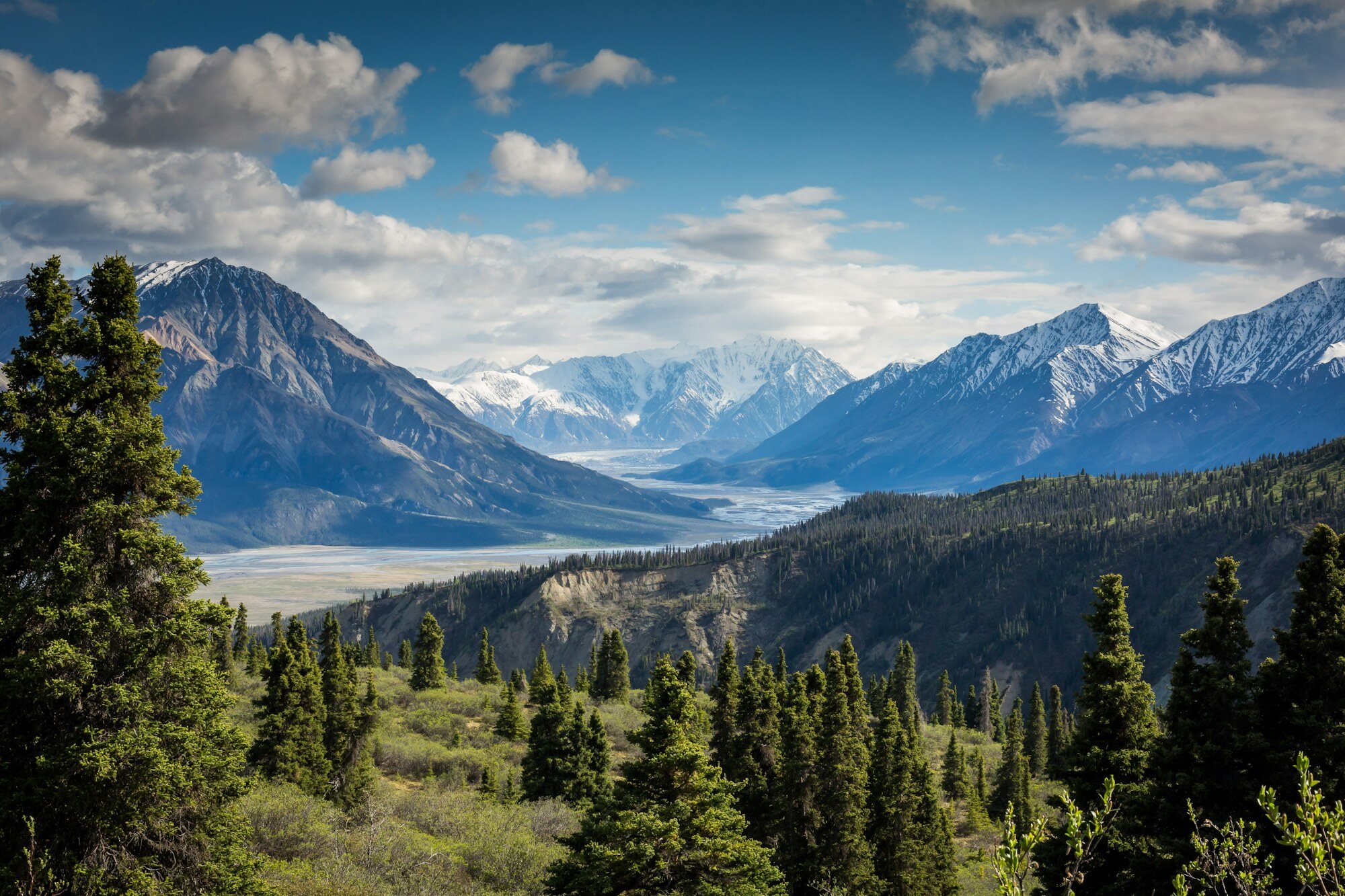
New Zealand
Mountain passes, clear lakes and generous distances make New Zealand a natural fit for a patient road trip.
New Zealand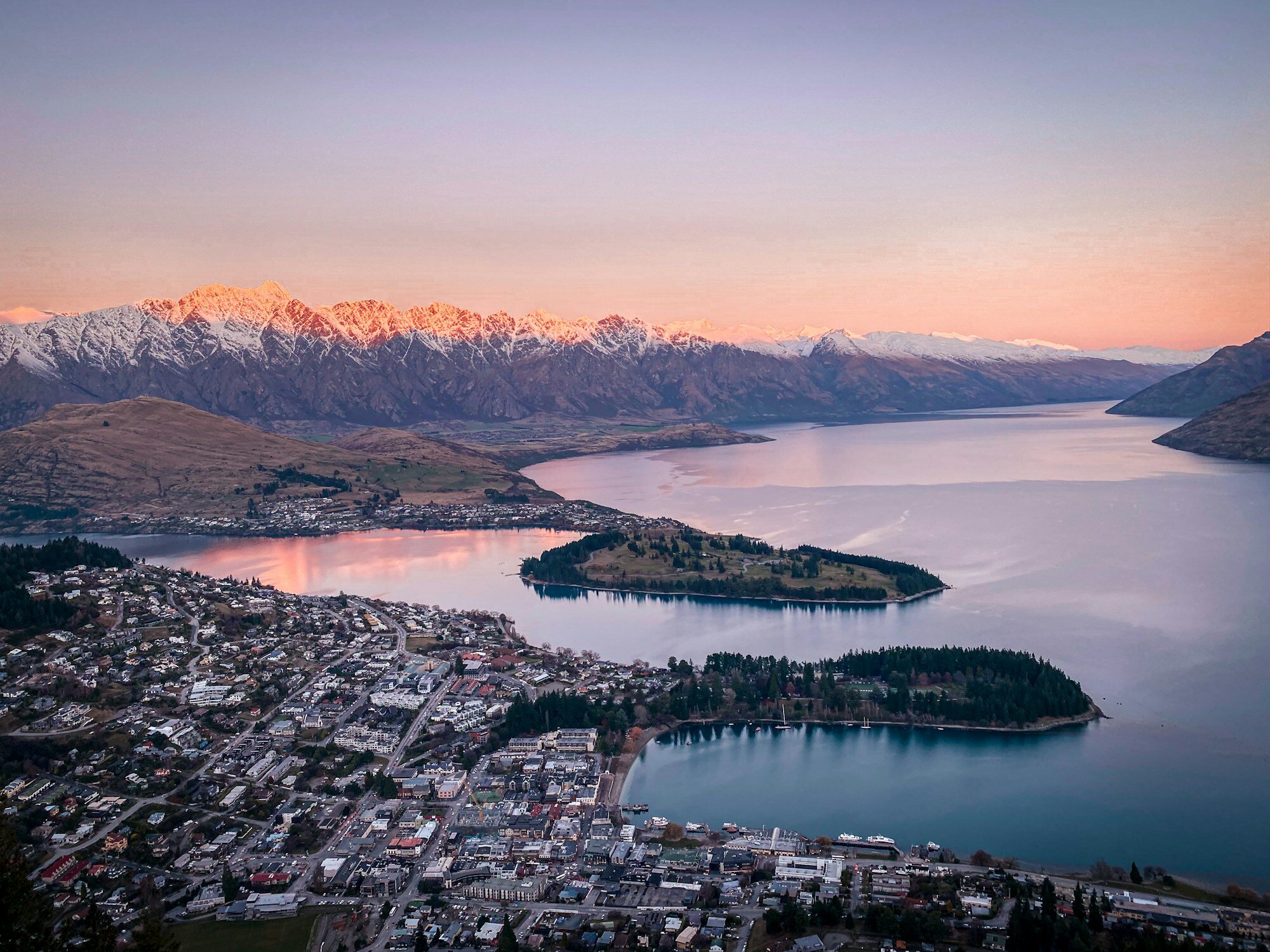
Queenstown Winter 2026: Ski, Adventure & Scenic Drives
Queenstown winter travel guide 2026: world-class skiing at Coronet Peak and The Remarkables, bungee jumping, jet boating, scenic drives, Central Otago pinot noi
7 days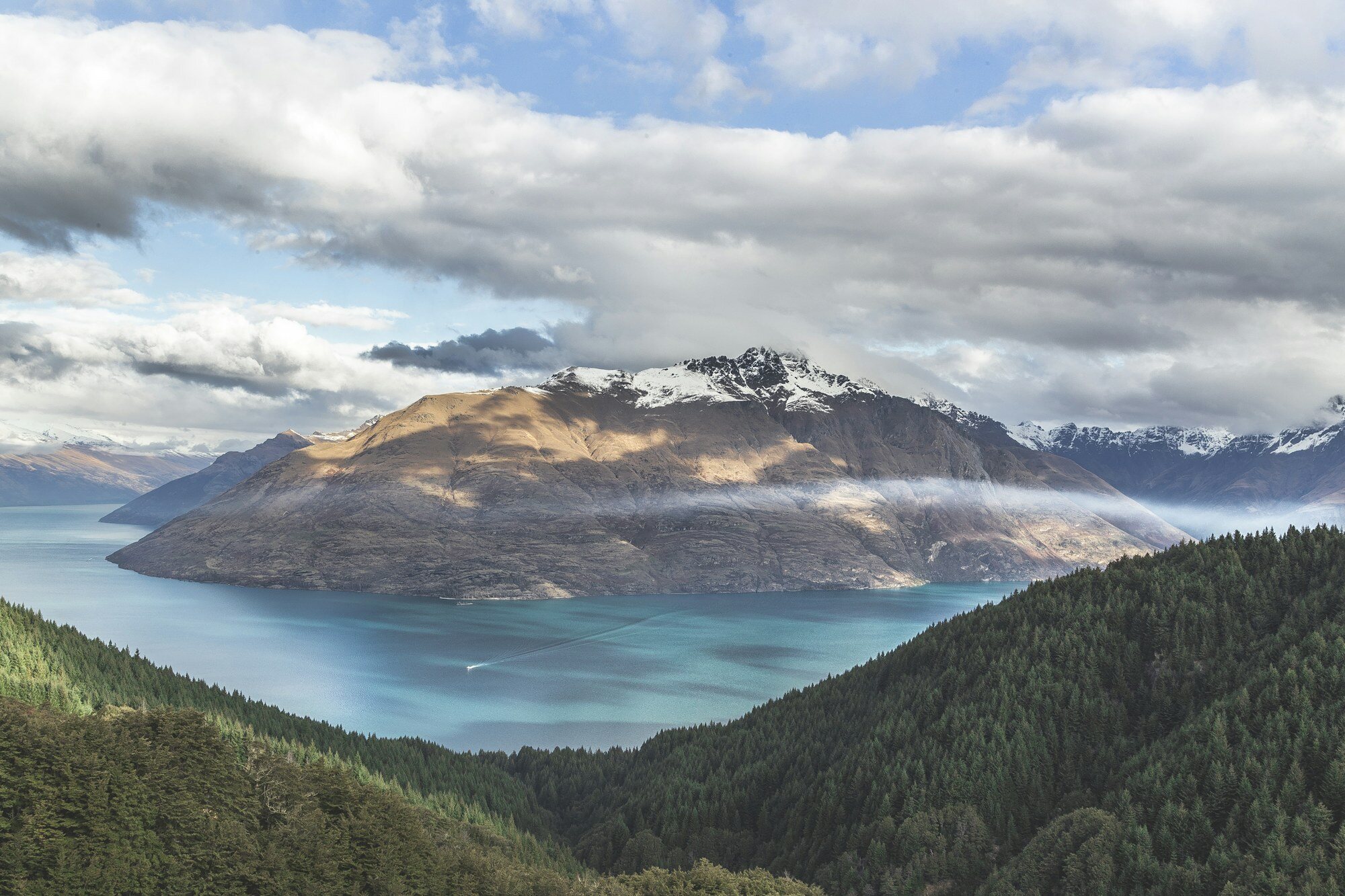
New Zealand South Island Scenic Loop: 7 Days
A focused seven-day South Island route from Christchurch through Lake Tekapo, Aoraki Mount Cook, Wanaka and Queenstown without forcing a full-island sprint.
7 days · Moderate
New Zealand North to South: A Practical 12-Day Road Trip
A realistic twelve-day route from Auckland to Queenstown, with ferry and rental-car planning, manageable driving days, and time for New Zealand landscapes.
12 days
Self-Drive Tour of the Glacial Fjords on New Zealand's West Coast (5 Days)
A classic 5-day self-drive itinerary starting in Christchurch, passing through Arthur’s Pass, Punakaiki, Hokitika, Fox Glacier, and Lake Matheson, and ending in
5 days · EasyRelated reading
Discover places worth the detour
New Zealand
The Ultimate 2026 New Zealand Travel Itinerary
Day 3
Aoraki Mt Cook National Park
Aoraki / Mount Cook National Park in New Zealand's Southern Alps protects the country's highest peak, Aoraki/Mount Cook (3,724 m), and the longest glacier in the southern hemisphere outside the polar regions, the Tasman Glacier. The star-gazing within the park's Dark Sky Reserve is among the finest in the southern hemisphere. The Hooker Valley Track offering lake-and-glacier views, and the alpine village of Mount Cook at the park entrance, make it a supreme destination for outdoor adventure.
View in Google Maps
Day 5
Queenstown
View in Google Maps
Day 7
Milford Sound
Milford Sound is Fiordland National Park's most spectacular fjord, a place where sheer granite walls rise 1,200 meters directly from the dark water, and waterfalls cascade hundreds of meters unbroken into the sea. Sir Edmund Hillary called it the eighth wonder of the world, and boat cruises through the fjord reveal a primeval landscape of glacially carved cliffs, fur seals, dolphins, and Stirling Falls. The 2-hour drive from Queenstown through the Homer Tunnel is itself a remarkable journey.
View in Google Maps
Day 9
Franz Josef Glacier
Franz Josef Glacier is one of New Zealand's most accessible and dramatic glaciers, a 12-km river of ice descending from the Southern Alps almost to sea level in a temperate rainforest on the West Coast of the South Island. Named after the Austrian emperor by a Victorian explorer, it can be explored on foot or by helicopter landing on the ice field. The glacier has retreated significantly in recent decades, making visits a poignant reminder of climate change.
View in Google Maps