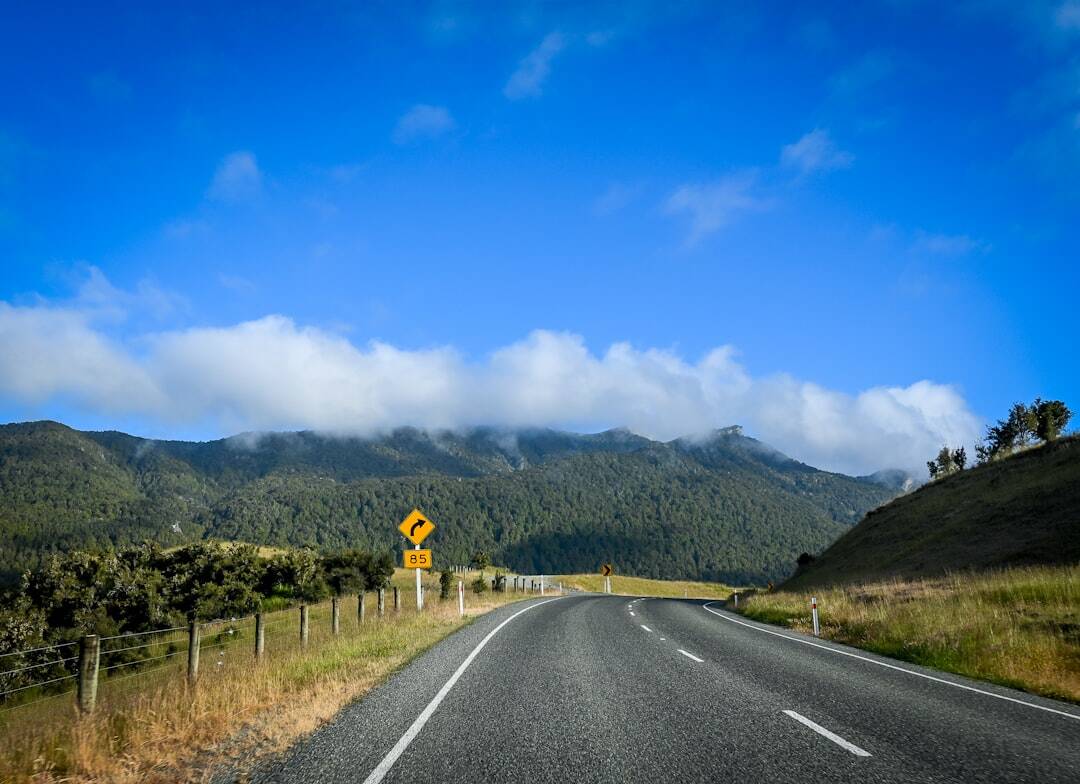
Twelve days is the minimum for a useful north-to-south introduction to New Zealand. The route below connects Auckland and Queenstown without pretending that every region fits into one trip. It favors a few strong bases, a Cook Strait crossing, and moderate drives over daily hotel changes.
Plan the one-way journey first
Confirm the rental-car rules before booking the ferry. Some companies allow their cars on the Cook Strait ferry; others require travelers to return one vehicle in Wellington and collect another in Picton. Book the crossing and any replacement car as one coordinated plan. Check Interislander or other operators for current schedules and check-in requirements.
Road distances can look short on a map, but narrow roads, hills, weather, and scenic stops reduce average speeds. Review Waka Kotahi journey conditions before each drive. Never assume a mountain route is open after snow or heavy rain.
Days 1-2: Auckland to Rotorua
Use the first day to arrive and recover in Auckland. On day two, collect the car and drive to Rotorua. Choose one geothermal area or cultural experience rather than stacking several similar attractions. Book Maori cultural experiences with established local operators and follow guidance about photography and behavior at significant sites.
Days 3-4: Taupo and Wellington
Continue through the central North Island toward Taupo. If walking in Tongariro National Park, match the route to the forecast, daylight, and your fitness. Alpine weather can change quickly; the famous crossing is not an all-weather stroll. The Department of Conservation publishes track alerts and safety advice.
Drive to Wellington on day four and return the car if required by the rental agreement. An overnight stay protects the ferry connection from a long same-day drive and leaves time to explore the waterfront.
Day 5: Cook Strait to Nelson or Blenheim
Cross to Picton, allowing extra time for check-in and possible weather disruption. Collect the South Island car if needed. Continue only to Blenheim, Nelson, or another nearby base. This is a transport day, so avoid adding a major hike after the sailing.
Days 6-7: Kaikoura and Christchurch
Follow the east coast to Kaikoura, where marine trips depend on sea conditions. Responsible operators may cancel when conditions are unsafe; keep an alternative coastal walk in mind. Continue to Christchurch the next day, using the afternoon for the central city or gardens.
Days 8-9: Aoraki/Mount Cook and Tekapo
Drive inland to the Mackenzie Basin. Stay near Lake Tekapo or Aoraki/Mount Cook, depending on availability and forecast. Select a marked walk that suits the conditions and carry layers, water, and sun protection. Trails may close because of wind, snow, flooding, or rockfall; check DOC alerts instead of relying on old blog posts.
Spend a second night in the region if possible. The extra time makes the trip less vulnerable to one cloudy afternoon and reduces the temptation to speed between viewpoints.
Days 10-12: Wanaka and Queenstown
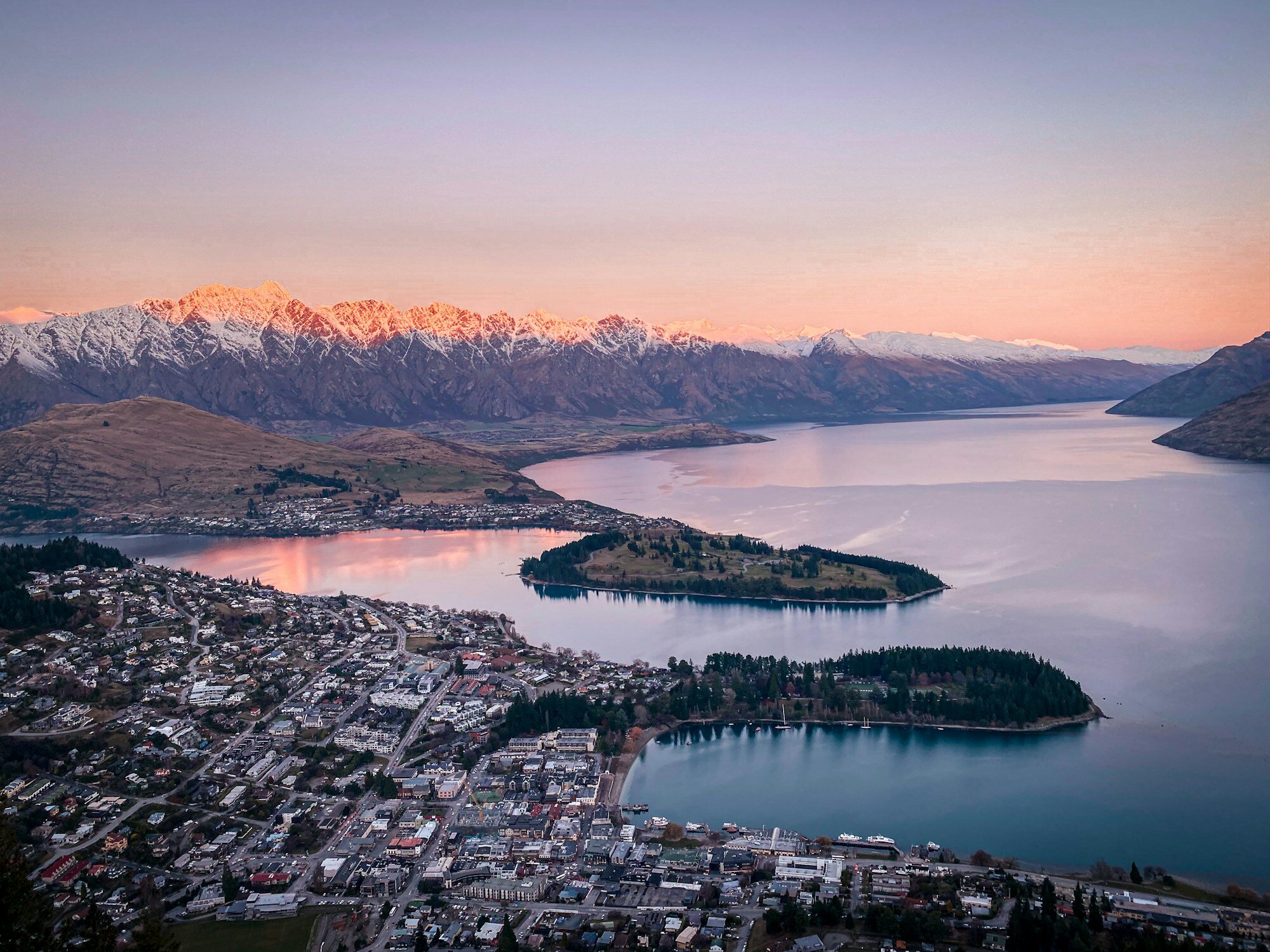
Travel to Wanaka for a lakeside walk and a quieter evening, then continue to Queenstown. Use the final full day for one booked activity or a day trip rather than trying to combine several distant valleys. Return the car in Queenstown and fly onward; driving back to Auckland would turn this itinerary into a transit exercise.
Driving and conservation essentials
Drive on the left and take regular breaks. Many scenic roads have no safe place to stop, so wait for a signed viewpoint. Keep to formed roads unless the rental contract explicitly permits otherwise. Fuel up before remote stretches and download offline maps.
Use toilets and campsites legally, clean footwear before and after sensitive tracks, and take all rubbish out. Freedom camping is regulated locally and is not permission to park overnight anywhere. Check council rules and use designated facilities.
Sources and checks
- Waka Kotahi highway conditions
- New Zealand Department of Conservation
- Interislander ferry information
- Tourism New Zealand
Last reviewed: September 2026. Ferry schedules, road access, track conditions, and camping rules can change.
Cover photo
Photo by Athithan Vignakaran on Unsplash.