
Spain · Easy
2-Day Walking Tour of Barcelona’s Gothic Quarter
A Medieval Barcelona Walking Tour Through the Gothic Quarter, the Cathedral, and Local Markets
- Days
- 2
- Stops
- 6
- Mapped stops
- 6
- Mapped distance
- 6.1 km
Share this itinerary
Trip
Day-by-day route
Day 1
4 stops · 2.3 km · 15 minDay 2
2 stops · 3.9 km · 20 minMap explore
Map explore
Spain
Spain radiates passion through its flamenco dancers, sun-drenched beaches, and architectural wonders by Gaudí and other masters. From the vibrant streets of Mad
Spain
Mallorca Road Trip: Beyond the Beaches
Mallorca is so much more than beach resorts. This 7-day road trip takes you beyond the beaches to explore the UNESCO Serra de Tramuntana mountains, medieval hil
7 days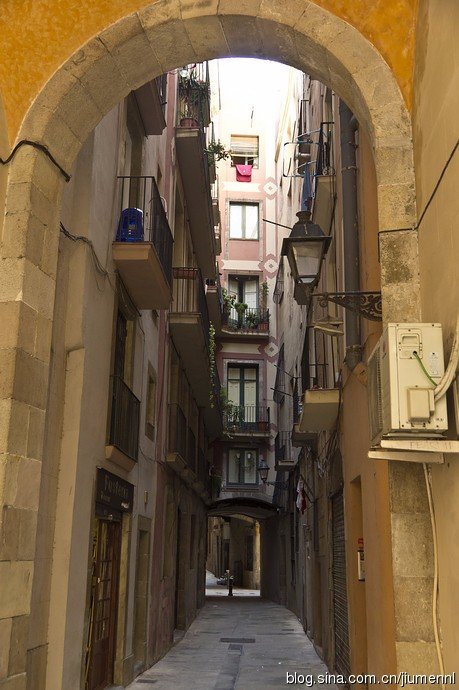
A Stroll Through Barcelona's Gothic Quarter - 2-Day Tour
A 2-Day Stroll Through Barcelona: Explore the Gothic Quarter, Gaudí’s Architecture, and Mediterranean Beaches
2 days · Easy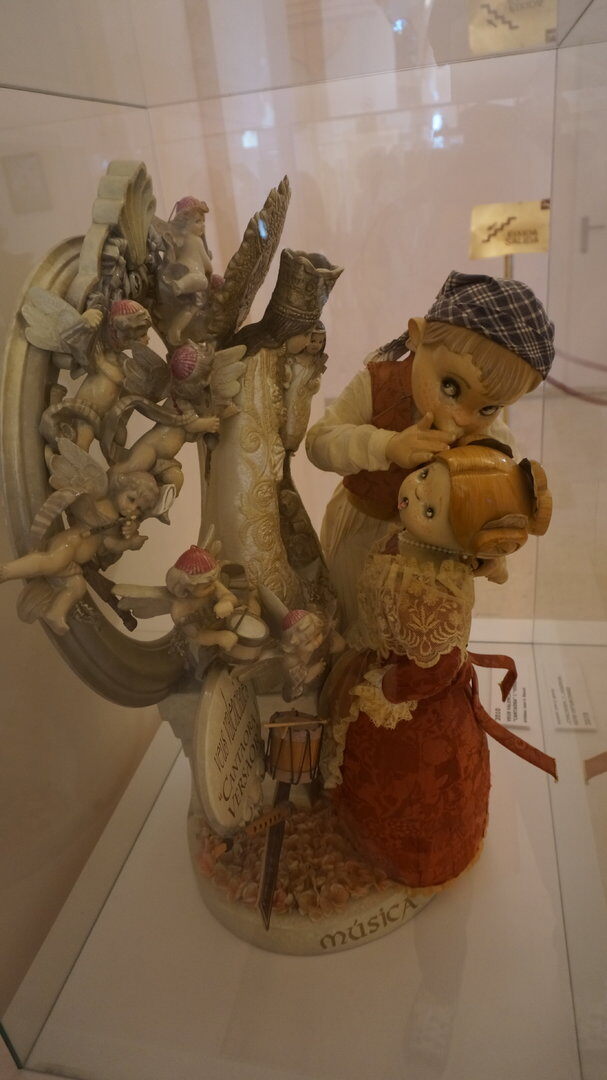
Las Fallas Valencia
Las Fallas de Valencia is the city’s traditional annual celebration, held principally from 15 to 19 March. Neighbourhood commissions create enormous satirical m
Date pending official confirmationWalking Tour of Barcelona's Gothic Quarter
A comprehensive walking guide to Barcelona’s Gothic Quarter, featuring medieval architecture, hidden squares, cultural museums, and authentic local dining spots
1 days · Easy
San Fermin Festival
The San Fermín Festival, known locally as Sanfermines in Spanish and Sanferminak in Basque, is a week-long traditional celebration in Pamplona, Navarre, held in
Date pending official confirmationRelated reading
Discover places worth the detour
Spain
2-Day Walking Tour of Barcelona’s Gothic Quarter
Day 1
Las Ramblas
Las Ramblas is Barcelona's most famous street, a 1.2-km pedestrian boulevard sweeping from Plaça de Catalunya to the Christopher Columbus monument at the waterfront. Lined with flower stalls, newspaper kiosks, human statues, and pavement cafés, it is the city's traditional promenade and outdoor living room. The Boqueria Market, Liceu Opera House, and Palau de la Virreina are among the cultural landmarks along its length.
View in Google MapsLa Boqueria Market
La Boqueria is Barcelona's most famous public market, a magnificent covered market hall on Las Ramblas operating since at least the 13th century. Its stalls overflow with jamón ibérico, colorful pyramids of fresh fruit, glistening seafood, Catalan cheeses, and pintxos tapas bars that attract as many locals as tourists. While hugely popular, arriving early in the morning still delivers an authentic market experience and the freshest ingredients.
View in Google MapsCathedral of Barcelona (La Seu)
The Cathedral of Barcelona (La Seu) is the Gothic masterpiece at the heart of the city's medieval quarter, a soaring 14th-century cathedral with twin octagonal towers and a beautiful cloister housing 13 white geese — one for each year of the life of the child-martyr Santa Eulàlia. The roof terrace accessible by lift offers panoramic views over the Gothic Quarter. The interior holds an alabaster sarcophagus of Santa Eulàlia, Barcelona's co-patron saint.
View in Google MapsGothic Quarter (Barri Gòtic)
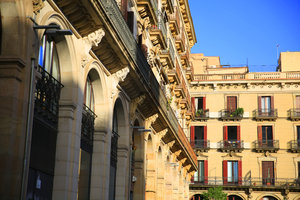
The Gothic Quarter (Barri Gòtic) is the medieval heart of Barcelona, a dense network of narrow medieval lanes, Roman ruins, Gothic churches, and atmospheric squares built atop the 1st-century Roman city of Barcino. Highlights include the Cathedral of Barcelona, the Plaça Reial with its palm trees and Gaudí-designed lampposts, and the remains of the Roman temple of Augustus. Despite its tourist popularity, the quarter retains a neighborhood authenticity with local bars and family-run shops.
View in Google Maps
Day 2
Plaça Reial
Plaça Reial is a notable point of interest, offering visitors an opportunity to experience the distinctive character and appeal of this destination. Whether for its natural beauty, cultural significance, or unique atmosphere, it provides a rewarding experience as part of a broader exploration of the area.
View in Google MapsPicasso Museum Barcelona
Picasso Museum Barcelona is a cultural institution , housing collections and exhibitions documenting the heritage, history, or artistic achievements of the region. Visitors can explore thoughtfully curated displays offering insights into the cultural and historical life of this destination.
View in Google Maps