Shinjuku Gyoen

Sightseeing

Shinjuku Gyoen

Tokyo · Japan

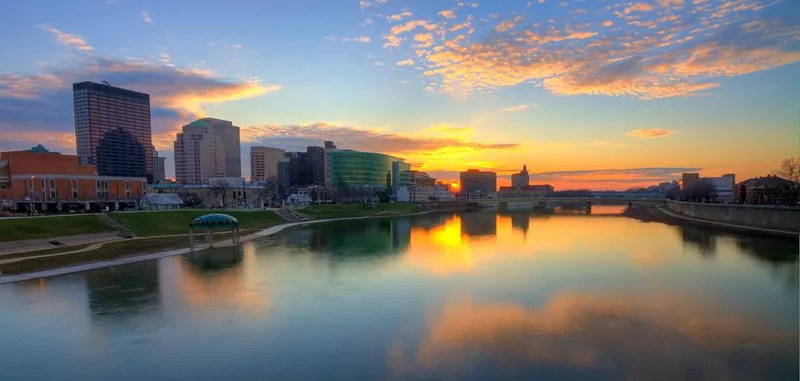
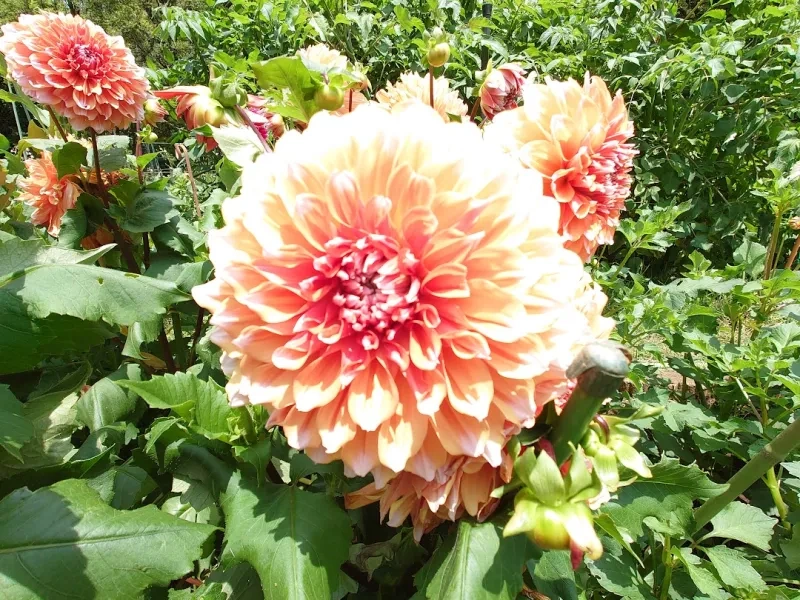
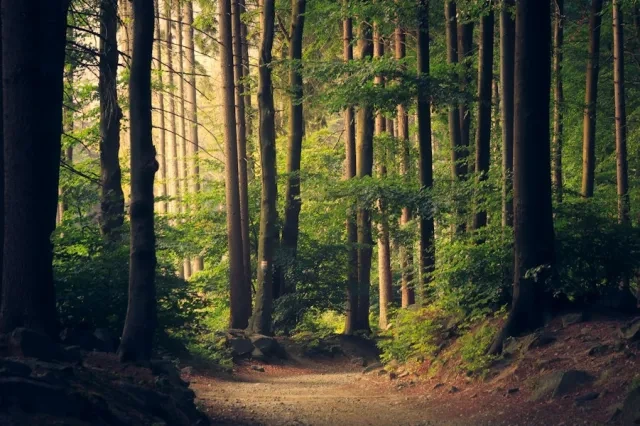
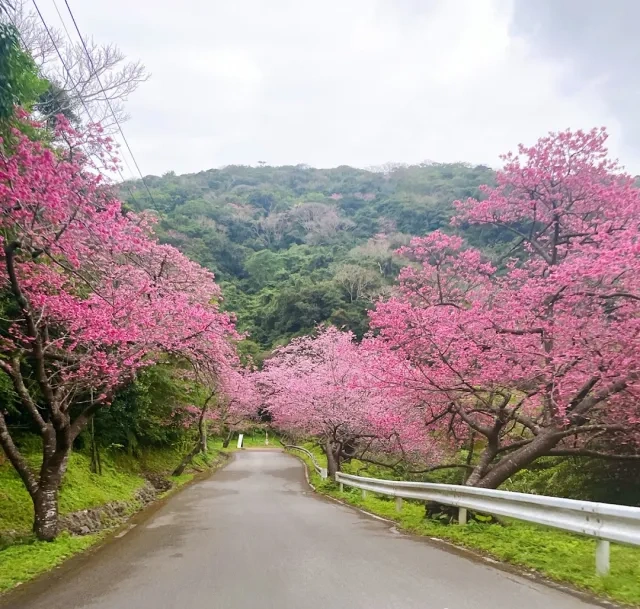
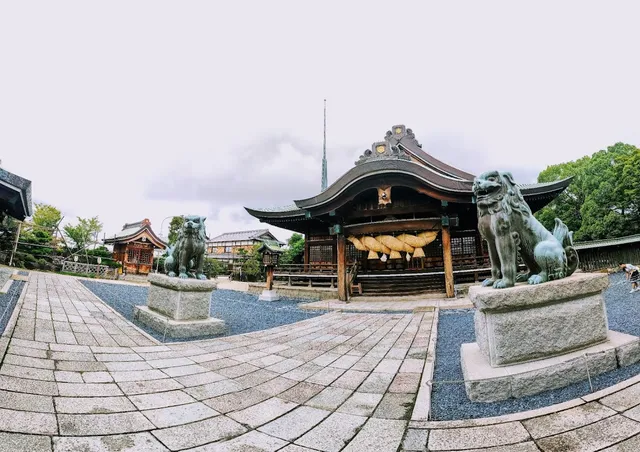
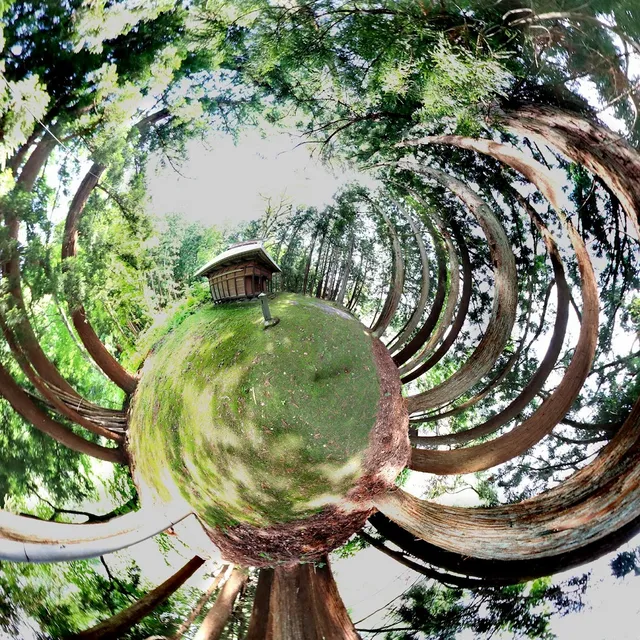
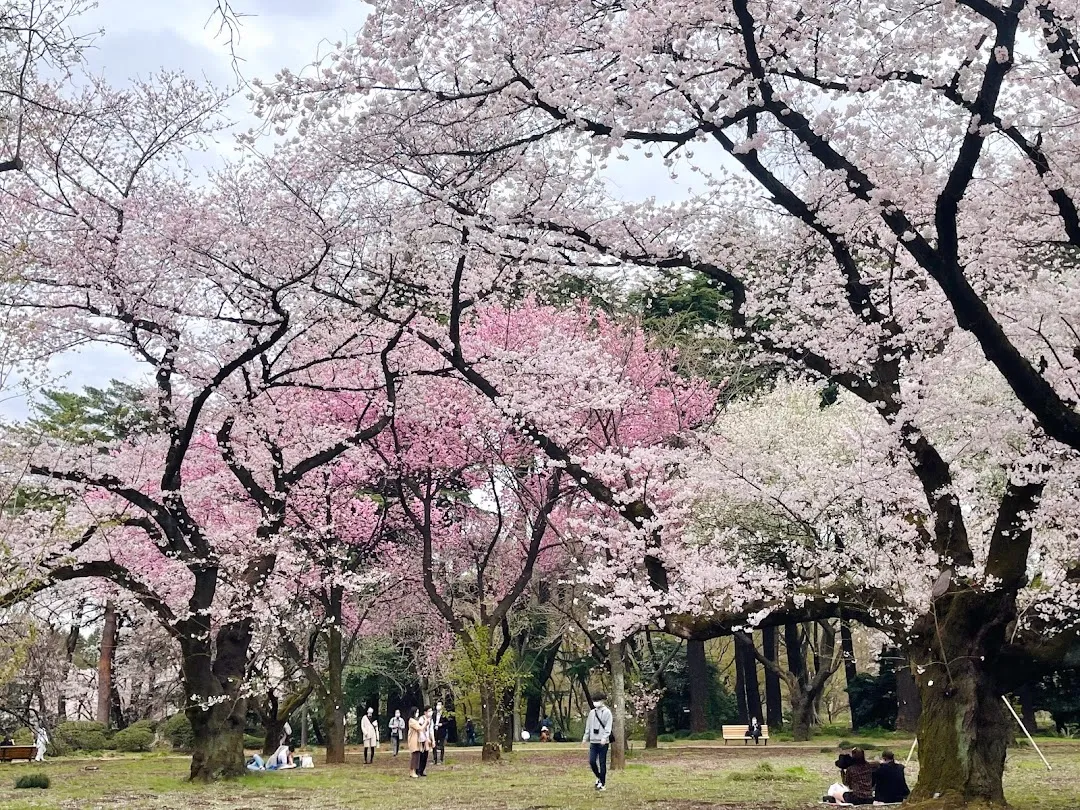
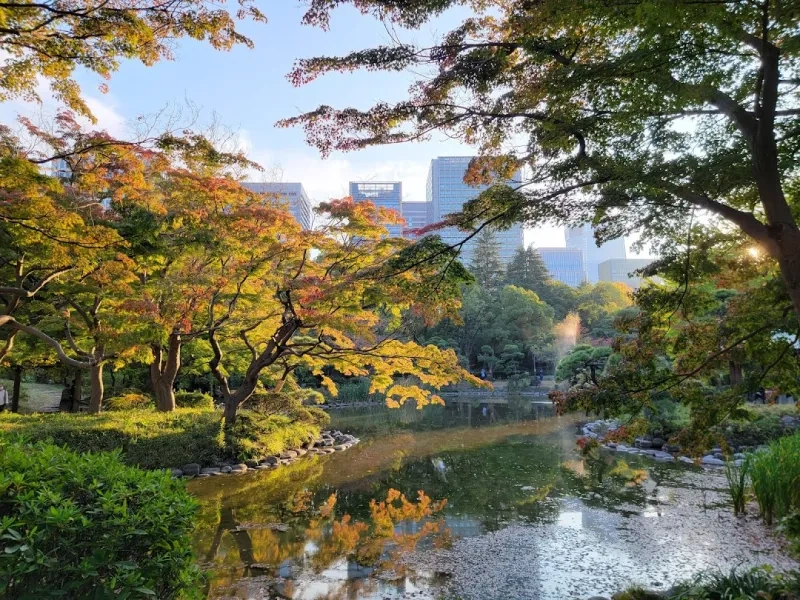
Shinjuku Gyoen National Garden is Tokyo's premier park, a 58.3-hectare sanctuary that harmoniously blends French formal, English landscape, and traditional Japanese garden styles. Originally an imperial garden established in 1906, it now welcomes the public and becomes one of Tokyo's top cherry blossom viewing spots each spring, with over 1,000 cherry trees representing 65 varieties that bloom at different times. The spacious lawns and tranquil ponds provide a much-needed respite from the urban density of surrounding Shinjuku.

Share this place

Share on WeChat

Scan the QR code with WeChat, then open the page and share it with friends.

Loading...

Map explore

Explore this place

Tokyo · Japan

Places to stop

Nearby places

Shinjuku
Sightseeing

Shinjuku

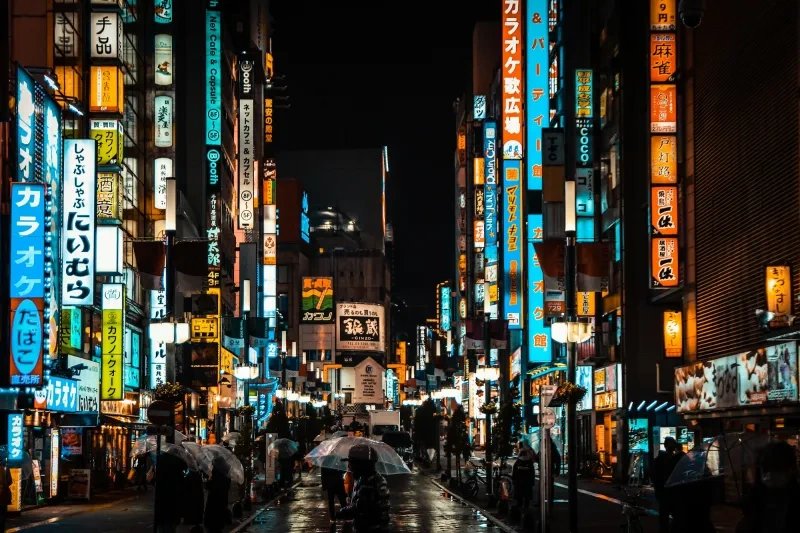
Shinjuku is Tokyo's largest and most energetic commercial and entertainment district, home to the world's busiest railway station which handles over 3 million passengers daily. The district contains multitudes: the neon-lit entertainment district of Kabukicho, the serene traditional garden of Shinjuku Gyoen, soaring skyscrapers housing restaurants with panoramic views, the closely-packed bars of Golden Gai, and department stores that seem to go on forever. Shinjuku embodies the full spectrum of Tokyo's urban intensity and is often the first neighborhood visitors explore.

Tokyo · Japan
Meiji Shrine
Sightseeing

Meiji Shrine

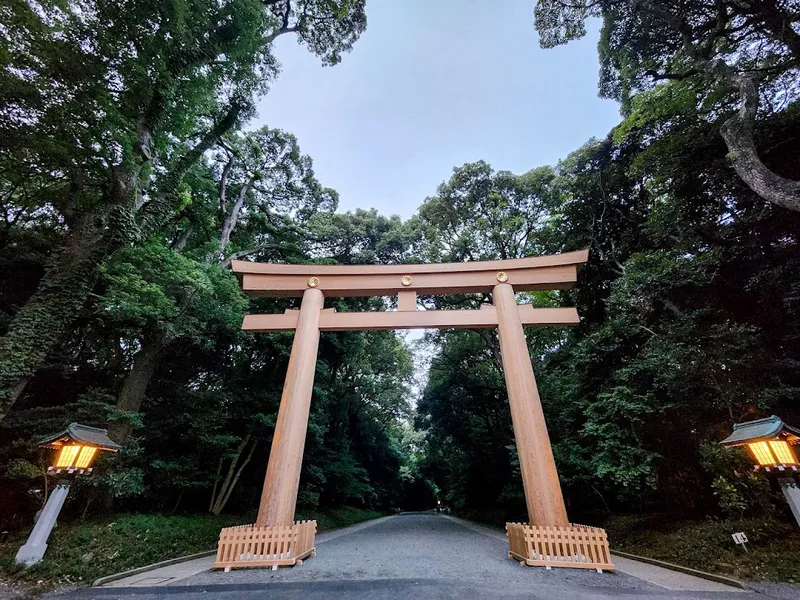
Meiji Shrine is Tokyo's most visited Shinto shrine, dedicated to the deified spirits of Emperor Meiji and Empress Shoken. Nestled within an evergreen forest of 120,000 trees donated from across Japan, the forested approach along a wide gravel path lined with towering torii gates creates a remarkable sense of calm within the bustling metropolis. The shrine receives millions of New Year visitors in the first three days of January and hosts traditional ceremonies and weddings throughout the year.

Tokyo · Japan
Park Hyatt Tokyo
Lodging

Park Hyatt Tokyo

Park Hyatt Tokyo occupies the top 14 floors of the Shinjuku Park Tower, made famous internationally by the 2003 film 'Lost in Translation.' The hotel's 177 rooms and suites feature floor-to-ceiling windows with breathtaking views of the Tokyo skyline, and on clear days the cone of Mount Fuji is visible from upper floors. The New York Bar and Grill on the 52nd floor — with its jazz performances and the same view that captivated Bill Murray and Scarlett Johansson — remains one of Tokyo's most atmospheric evening destinations. The Park Hyatt's combination of design excellence, service, and the romance of its cinematic history makes it uniquely compelling.

Tokyo · Japan
Shinjuku Station Tokyo
Transport

Shinjuku Station Tokyo

Shinjuku Station is the busiest railway station in the world by daily passenger volume, with over 3.5 million people passing through its 50+ platforms and 200 exits every day on more than a dozen rail lines. The station connects the Tokyo Metro Marunouchi and Oedo lines, JR Chuo and Sobu Lines, the Yamanote Loop, and major private railways including Keio and Odakyu — making it the transfer hub for all of western Tokyo. The station's subterranean commercial complex, underground walkways, and the surrounding Kabukicho entertainment district, Shinjuku-Gyoen national garden, and high-rise business towers create Tokyo's most intense concentration of urban activity around any single station.

Tokyo · Japan
Harajuku
Sightseeing

Harajuku

Harajuku is Tokyo's most flamboyant fashion district, centered on Takeshita Street where subculture fashion, crêpe shops, and vintage stores cater to Tokyo's youth. The area is famous for producing Japanese street fashion trends including Lolita, Decora, and Gyaru styles that have influenced global fashion. Adjacent Omotesandō offers the upscale counterpoint — a tree-lined boulevard of flagship luxury boutiques and cutting-edge architectural buildings.

Tokyo · Japan
Florilège Restaurant Tokyo
Food

Florilège Restaurant Tokyo

Florilège is a critically acclaimed French restaurant in Minami-Aoyama where chef Hiroyasu Kawate interprets classical French technique through a deeply Japanese lens, sourcing almost exclusively from Japanese farmers, fishermen, and foragers. The restaurant holds two Michelin stars and has placed consistently on Asia's 50 Best Restaurants, and Kawate's cuisine — spare, precise, and intensely flavored — has earned him a reputation as one of the most important French chefs working in Japan. The counter-style dining format places guests in intimate contact with the kitchen's workflow, and the wine list focuses on natural producers from France and Japan.

Tokyo · Japan

Related reading

Discover places worth the detour

Related reading

Discover places worth the detour