Shibuya Station Tokyo

Transport

Shibuya Station Tokyo

Tokyo · Japan

Shibuya Station is one of Tokyo's most iconic and complex transit nodes, serving over 2 million passengers daily on the JR Yamanote Line, multiple Tokyu private rail lines, the Tokyo Metro Ginza and Fukutoshin lines, and the Keio Inokashira Line. The station is the gateway to the famous Shibuya Scramble Crossing — the busiest pedestrian intersection in the world — as well as the surrounding districts of youth fashion, technology, entertainment, and the towering Shibuya Sky observation deck. Major redevelopment projects including Shibuya Scramble Square, Tokyu Hands, and the Hikarie complex have transformed the station's eastern side into one of the most dynamic commercial environments in contemporary Tokyo.

Share this place

Share on WeChat

Scan the QR code with WeChat, then open the page and share it with friends.

Loading...

Map explore

Explore this place

Tokyo · Japan

Places to stop

Nearby places

teamLab Borderless
Sightseeing

teamLab Borderless

teamLab Borderless is an immersive digital art museum created by the art collective teamLab, offering a boundary-free world where artworks move freely across rooms and blend together. Visitors wander through a labyrinthine space of interconnected rooms filled with stunning light installations, interactive projections, and sound environments that respond to human presence and movement. It represents a new concept of art experience where the boundary between the artwork and the viewer dissolves, creating an ever-changing collective creation that cannot be experienced the same way twice.

Tokyo · Japan
Shibuya Crossing
Sightseeing

Shibuya Crossing

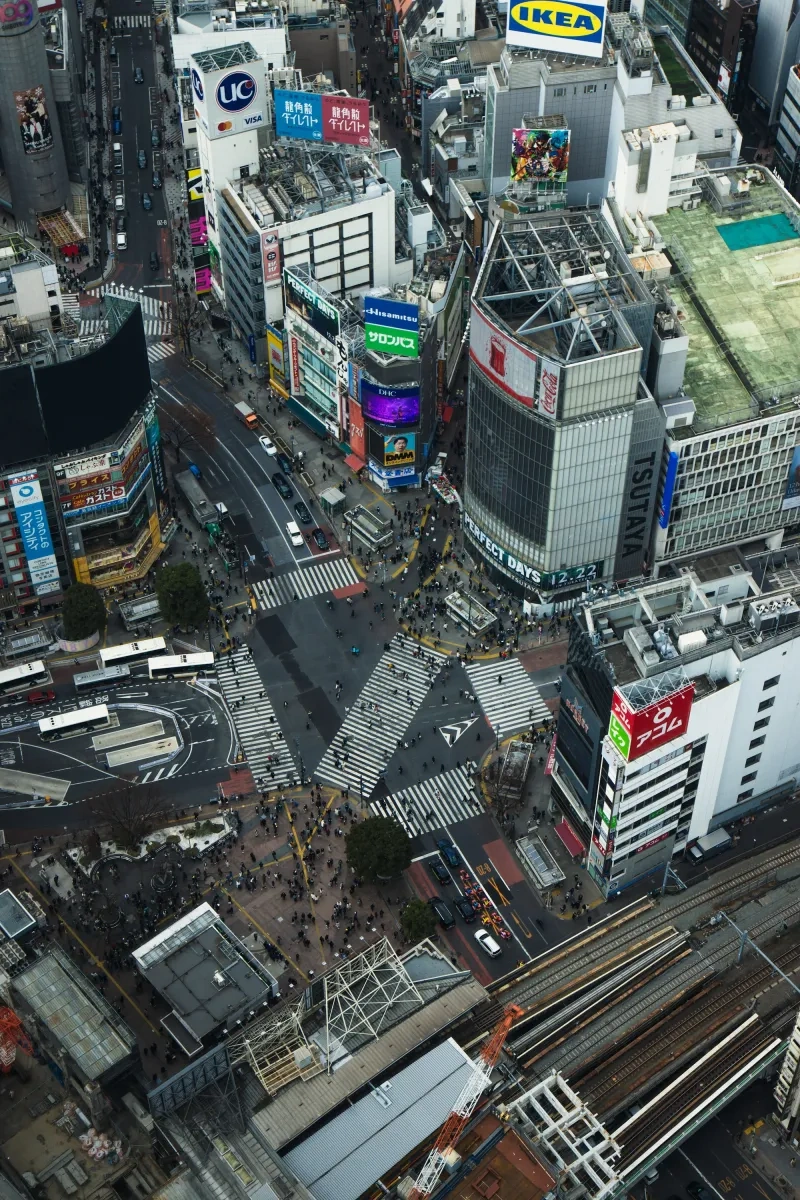
Shibuya Crossing is arguably the world's busiest pedestrian intersection, where up to 3,000 people cross simultaneously from all directions when the signal turns green. Located in front of Shibuya Station's Hachiko exit, this iconic scramble crossing has become a symbol of Tokyo's energetic urban life, featured in countless films and photographs. The surrounding Shibuya district offers a sensory overload of giant neon screens, department stores, trendy restaurants, and the famous Hachiko dog statue.

Tokyo · Japan
Ichiran Ramen
Food

Ichiran Ramen

Ichiran is Japan's iconic tonkotsu ramen chain renowned for its unique solo-dining booth system that allows diners to focus entirely on the flavors of their bowl. Founded in Fukuoka in 1960, each customizable bowl features a rich, creamy pork bone broth with a signature secret red sauce, thin straight noodles, and a precisely calibrated combination of toppings. The experience, complete with bamboo curtains for privacy, has become a bucket-list dining ritual for food lovers visiting Japan.

Tokyo · Japan
Harajuku
Sightseeing

Harajuku

Harajuku is Tokyo's most flamboyant fashion district, centered on Takeshita Street where subculture fashion, crêpe shops, and vintage stores cater to Tokyo's youth. The area is famous for producing Japanese street fashion trends including Lolita, Decora, and Gyaru styles that have influenced global fashion. Adjacent Omotesandō offers the upscale counterpoint — a tree-lined boulevard of flagship luxury boutiques and cutting-edge architectural buildings.

Tokyo · Japan
Nakameguro
Sightseeing

Nakameguro

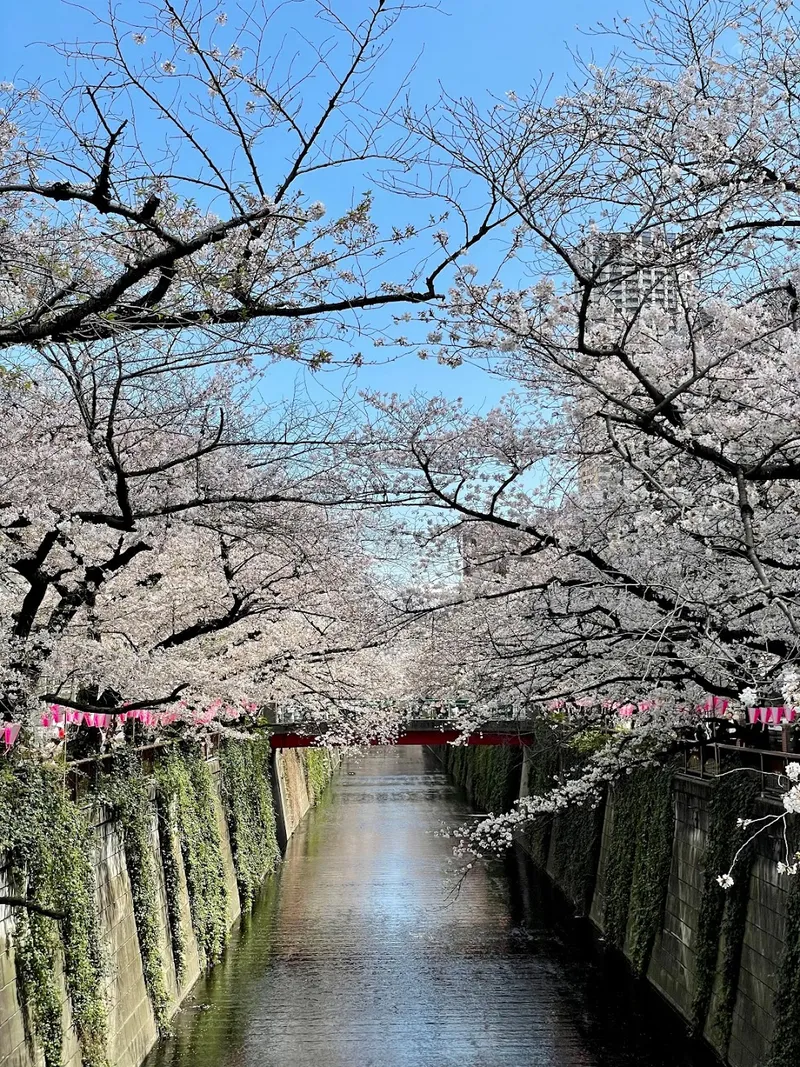
Nakameguro is one of Tokyo's most fashionable neighborhoods, centered on the picturesque Meguro River canal lined with hundreds of cherry trees. Beyond the famous spring cherry blossom season when the canal transforms into a pink tunnel, the area buzzes year-round with independent boutiques, concept cafes, design studios, and acclaimed restaurants in converted warehouse spaces. The neighborhood perfectly embodies Tokyo's creative street culture and has become a favorite gathering spot for the city's fashion and arts community.

Tokyo · Japan
Florilège Restaurant Tokyo
Food

Florilège Restaurant Tokyo

Florilège is a critically acclaimed French restaurant in Minami-Aoyama where chef Hiroyasu Kawate interprets classical French technique through a deeply Japanese lens, sourcing almost exclusively from Japanese farmers, fishermen, and foragers. The restaurant holds two Michelin stars and has placed consistently on Asia's 50 Best Restaurants, and Kawate's cuisine — spare, precise, and intensely flavored — has earned him a reputation as one of the most important French chefs working in Japan. The counter-style dining format places guests in intimate contact with the kitchen's workflow, and the wine list focuses on natural producers from France and Japan.

Tokyo · Japan

Related reading

Discover places worth the detour

Related reading

Discover places worth the detour