Morocco is often sold as a quick loop of Marrakech, dunes, and Fes. The distances make that version exhausting. A better ten-day trip uses two city bases, a three-day transfer through the High Atlas and southeast, and enough margin for heat, traffic, and the slower rhythm of medina streets.
Days 1-3: Learn Marrakech gradually
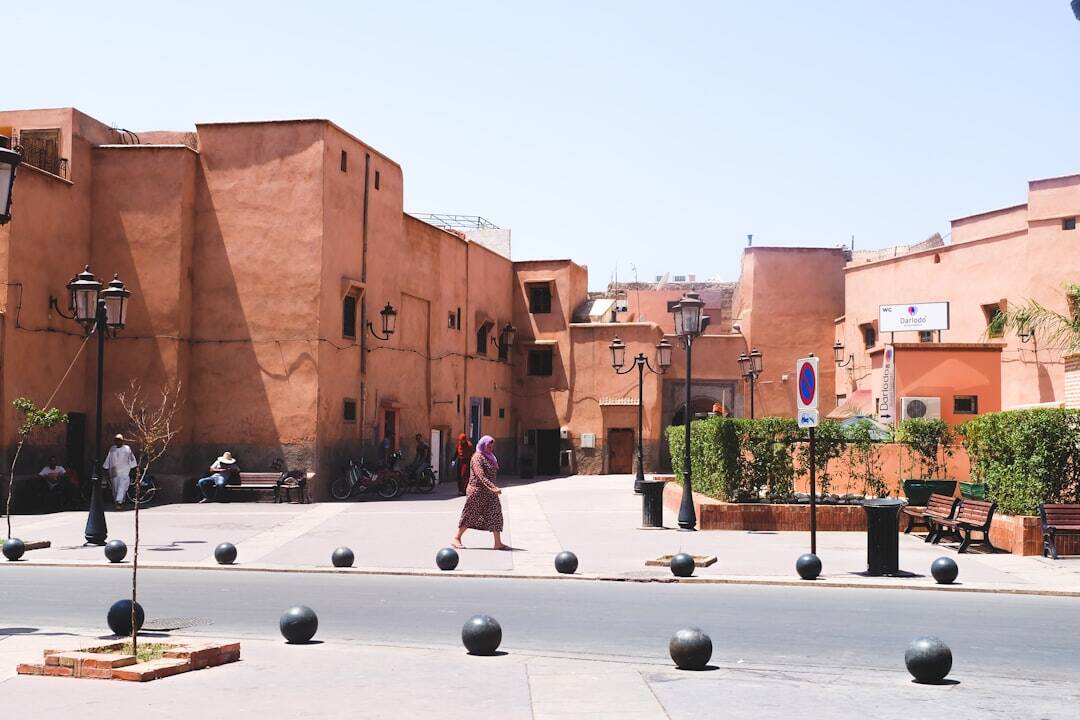
Spend the arrival day close to your accommodation. Medina lanes are easier to understand in daylight, and a riad may be reached on foot from the nearest vehicle access point. Arrange a precise meeting place rather than expecting a taxi to stop at the door.
On the second day, consider a licensed local guide for the historic center. A guide adds context and reduces the temptation to follow anyone who claims a street is closed. Visit monuments early, leave the hottest hours for a long lunch or museum, and return to the main square in the evening if crowds feel comfortable.
Use day three for gardens, contemporary neighborhoods, or a cooking workshop. Do not treat the medina as a backdrop: ask before photographing people, dress with local norms in mind, and accept a polite refusal without negotiation. The UNESCO listing for the Medina of Marrakesh provides useful historical context.
Days 4-6: Atlas roads to the desert edge
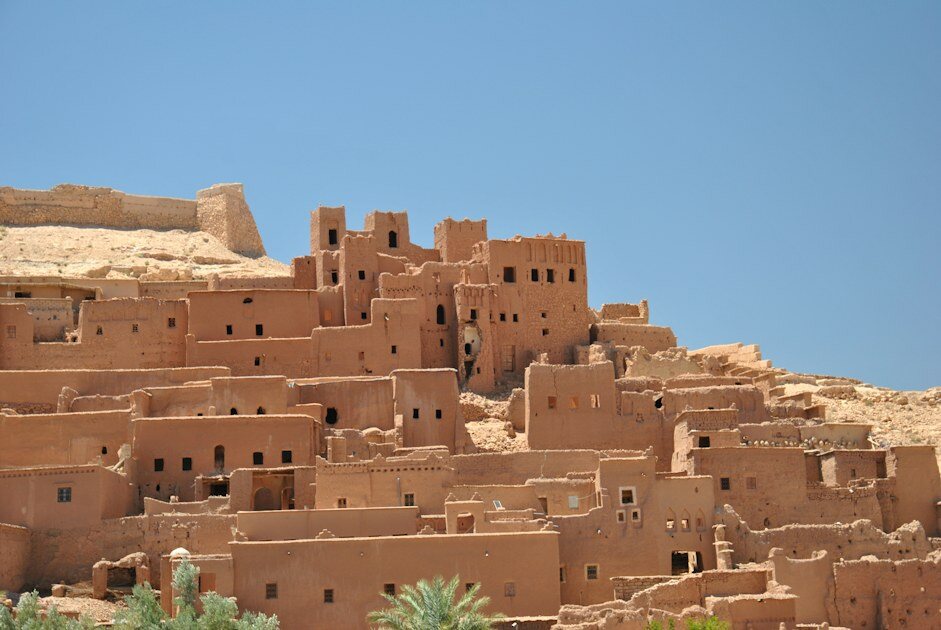
Book a reputable driver or join a small-group transfer toward the southeast. The route through the High Atlas and kasbah country is long and winding. It should not be compressed into a same-day dash to the dunes. An overnight around Ait Ben Haddou or the Dades Valley makes the landscape part of the trip rather than scenery through a window.
Continue toward Merzouga or another established desert base on day five. Confirm exactly what is included: private or shared transport, accommodation type, meals, water, camel ride, and alternative transport for anyone who cannot or does not want to ride. Choose operators that manage waste and treat animals responsibly.
A desert night can be beautiful, but it is not silent luxury by default. Temperatures may swing sharply, sand affects electronics, and camps vary widely. Carry a warm layer, sun protection, and a small bag rather than an open suitcase.
Days 7-8: Travel to Fes
The drive from the desert region to Fes takes most of a day. Keep day seven for transport and breaks. If you are prone to motion sickness, prepare before the mountain sections. Arrive with the address and phone number of the accommodation saved offline.
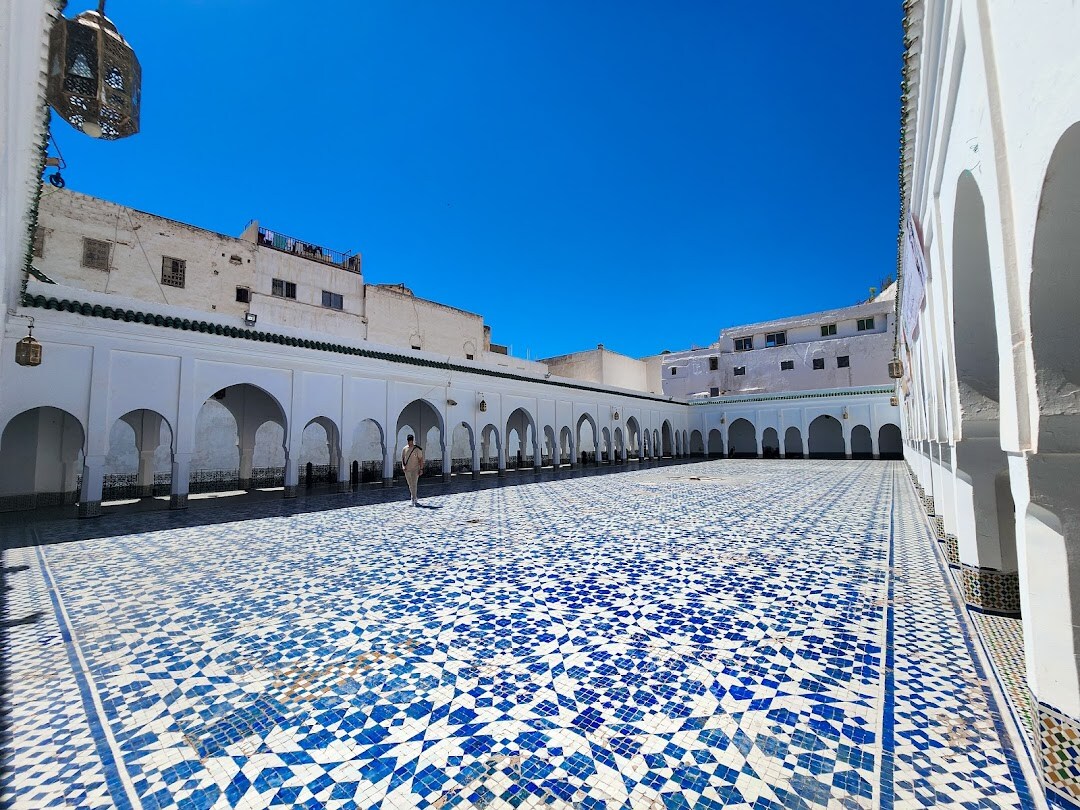
Use day eight for a guided introduction to Fes el-Bali. The medina is a living urban area with workshops, homes, schools, and religious spaces. Follow posted access rules, particularly at mosques that are not open to non-Muslim visitors. Leather workshops can involve strong smells and active industrial processes; visit only if the conditions suit you.
Days 9-10: Fes and departure
Choose one final theme - crafts, food, architecture, or a nearby excursion - instead of repeating a general medina tour. Leave a generous transfer window for the airport or rail station on the final day.
Transport, money, and health
Trains connect major northern cities but do not reach the Sahara. For long private transfers, verify the vehicle, seat belts, driver rest plan, and cancellation terms. Agree on prices before accepting informal services. Keep smaller cash for markets and tips while using secure ATMs in established locations.
Drink safe water, pace activity in the heat, and check current health and entry guidance for your nationality. During Ramadan, opening patterns and daytime services may differ; travelers should be patient and respectful.
Sources and checks
- Moroccan National Tourism Office
- UNESCO: Medina of Marrakesh
- UNESCO: Medina of Fez
- UNESCO: Ksar of Ait-Ben-Haddou
Last reviewed: September 2026. Confirm transport schedules, entry rules, weather, and attraction access before departure.
Cover photo
Photo by Vanessa Zhu on Unsplash.