
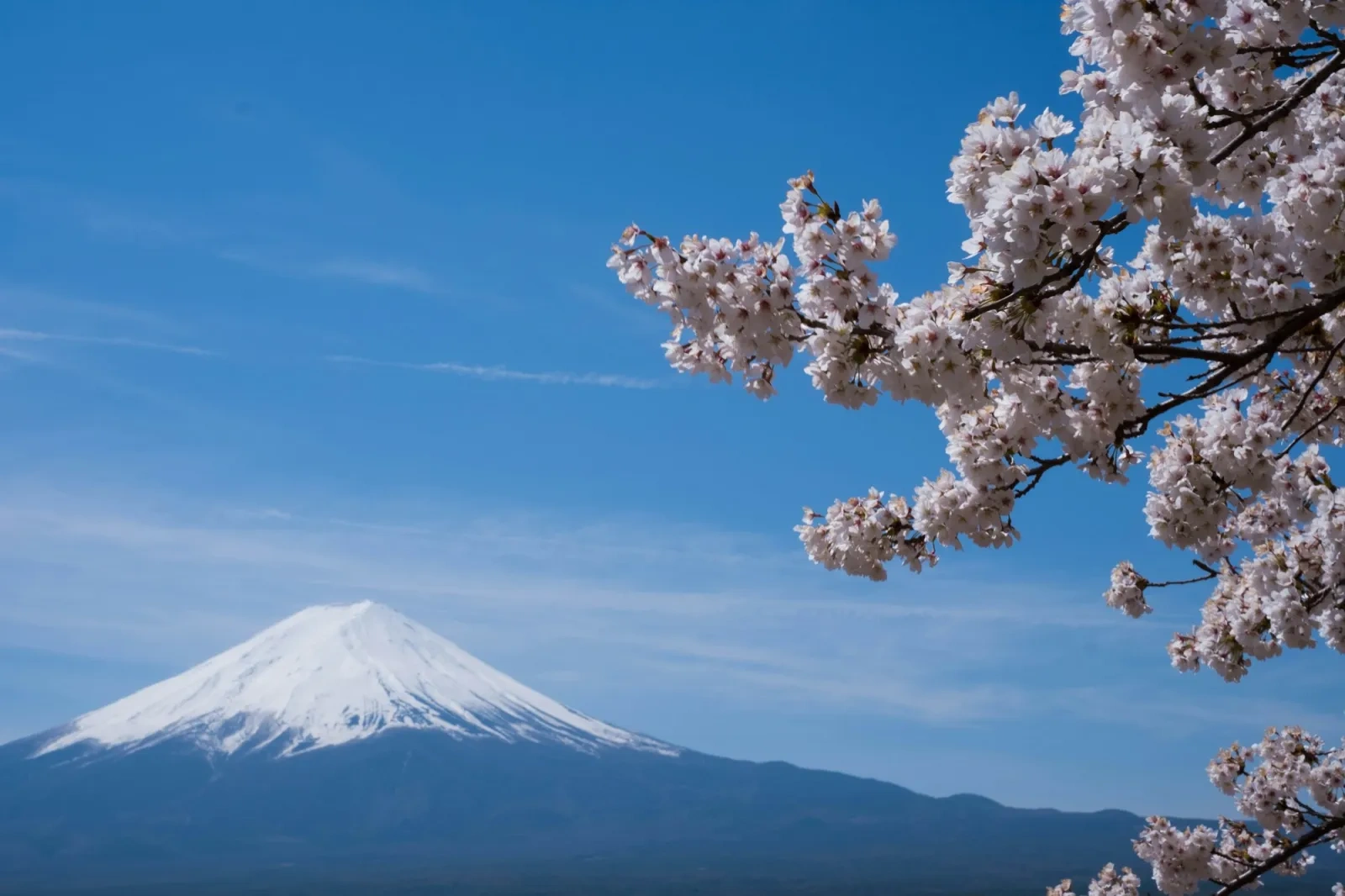
Road trip

Japan road trips: 10 regional routes, overnight bases and driving requirements

Choose a realistic regional route in Japan, with suggested nights, overnight bases and seasonal checks. Read the licence and visa requirements before booking a rental car.

Author: Tourants editorial · Last edited:

mid-rangeTypical daily budget—Destination
Start planning →
Japan road trips: 10 regional routes, overnight bases and driving requirements

Choose one region and give it time. These ten routes are alternatives, not consecutive stages of a two-week drive across Japan. Use trains for the major-city portion of a trip and rent a car for the countryside only after confirming that every driver has documents valid in Japan.

Before booking: driving eligibility and visas

Japan drives on the left. Driving eligibility depends on the actual licence, its issuing jurisdiction and your status in Japan; a rental booking confirmation is not proof of eligibility.

  • A valid Japanese driving licence is one option.
  • A qualifying International Driving Permit must follow the 1949 Geneva Convention and be issued by an authorised organisation in an eligible contracting jurisdiction. A 1968 Vienna Convention permit or a commercial “international licence” is not a substitute. Carry your passport and original driving documents, and confirm the required vehicle category and paperwork with the rental company before paying.
  • Licences issued in Switzerland, Germany, France, Belgium, Monaco and Taiwan, China can qualify under a separate arrangement when accompanied by the legally required Japanese translation from an authorised provider. This is a specific list of issuing jurisdictions, not a general translation rule.
  • A mainland-China-issued driving licence plus a translation does not by itself authorise driving in Japan. A JAF translation used to apply to convert a foreign licence into a Japanese licence is not a driving entitlement. If your documents do not legally permit you to drive in Japan, use rail, bus, taxi or a tour with a licensed driver instead.

For qualifying foreign documents, both limits apply: driving is permitted for no more than one year after landing in Japan, and never beyond the permit or licence’s expiry date. Residents and people returning after a short absence have additional rules: leaving Japan briefly does not automatically restart the period. Check your exact circumstances with the police authority.

Japan National Police Agency: foreign driving licences and permitted documentsExternal site Opens an external website in a new tab

An ordinary mainland Chinese passport does not provide a tourist visa-on-arrival route. Japan's Ministry of Foreign Affairs states that visas cannot be obtained at the port of entry. Arrange the necessary visa before travel. eVISA eligibility, permitted stay and application channel depend on passport, residence and purpose; Chinese nationals residing in China use accredited agencies for the applicable tourist eVISA process. Do not assume everyone can apply directly online or receive the same length of stay.

Japan Ministry of Foreign Affairs: visas and landing permissionExternal site Opens an external website in a new tab

Japan Ministry of Foreign Affairs: current JAPAN eVISA eligibility and channelsExternal site Opens an external website in a new tab

Choose a route and enough nights

The suggested nights below are editorial planning allowances, not an official package, a promise of road access or a fixed driving schedule. Add arrival and departure days, sightseeing stops and a weather buffer. Check live navigation for each day's actual hotel-to-hotel journey rather than treating a region's name as a short driving distance.

RouteSuggested nightsUseful overnight basesMain planning constraint
Shimanami Kaido3–4Onomichi, an island stay, ImabariCar and cycle routes differ
Central Hokkaido5–7Sapporo, Furano or Biei, AsahikawaThis is not a whole-island circuit
Aso and southern Kyushu6–8Kumamoto, Aso or Kurokawa, Kirishima, KagoshimaCrater access and long transfers
Shikoku temple sampler5–7Takamatsu, Kotohira, MatsuyamaA selection, not all 88 temples
Hakone and Izu Peninsula4–6Hakone, Ito, ShimodaWinding roads and busy holiday traffic
Noto, with a conditional extension3–5Kanazawa, Nanao or an operating Wakura propertyRecovery work and changing access
Wakayama and Kumano5–7Wakayama, Shirahama, Kii-KatsuuraWalking time at sacred sites
San'in coast5–7Izumo or Matsue, Yonago, TottoriOne-way rental arrangements
Northern Tohoku6–8Aomori, Lake Towada, a Hachimantai-area baseSeasonal mountain-road closures
Tsushima3–4Izuhara, Hitakatsu if availableArrival port and rental return

1. Shimanami Kaido: island stops between Onomichi and Imabari

Start with a night in Onomichi, spend one or two nights on an island such as Ikuchijima or Omishima, and finish in Imabari. This gives you time for waterfront towns, temples and short coastal walks instead of simply crossing the bridges. Check parking and access for the accommodation you choose.

Cars use the Nishi-Seto Expressway and island roads. The famous cycling itinerary uses different bridge paths and approaches; do not send a car onto a cycle route. If you want a cycling day, leave the car at an agreed parking place and arrange bicycle collection, return and a workable return journey separately. Confirm any different-branch car return before booking.

Tatara Bridge on the Shimanami Kaido, with the separate approach path visible below

Bridge operator: the Shimanami vehicle routeExternal site Opens an external website in a new tab

Bridge operator: bicycle and pedestrian accessExternal site Opens an external website in a new tab

2. Central Hokkaido: Sapporo, Furano, Biei and Asahikawa

For five to seven nights, keep the trip in central Hokkaido: spend time in Sapporo, then use Furano or Biei for two or three nights and Asahikawa for another base. Arrange a final night appropriate to your departure airport. Fields, viewpoints and farm visits need time off the road; stay on public access routes and never walk into working fields for photographs.

This plan does not cover all of Hokkaido. Adding Shiretoko, eastern wetlands or the far north changes the scale of the journey and needs extra days. Summer driving estimates do not apply to snow or ice. Flower seasons vary by crop and weather; confirm the specific farm's opening period. For inexperienced winter drivers, a rail-and-local-tour version can be the more practical choice.

Furano Tourism Association: regional access and summer driving estimatesExternal site Opens an external website in a new tab

3. Aso and southern Kyushu: split the volcanic landscapes into stages

Use Kumamoto for arrival, spend two nights around Aso or Kurokawa, then move via Kirishima toward Kagoshima. Six to eight nights gives the long north-to-south transfer its own day and leaves space for baths, walks and weather changes. If you only have four nights, choose Aso and Kurokawa or Kagoshima and Kirishima rather than rushing between both.

Aso's crater is a conditional visit: volcanic activity, gas and weather can restrict access even when other attractions in the region are open. Check the official crater notice that day and follow closures. Around Sakurajima, check current volcanic guidance and any ferry arrangements you actually plan to use. A viewpoint or a museum is a useful alternative when a crater excursion is unavailable.

Kusasenri grassland in the Aso area; this historical photograph shows a dormant-season landscape

Aso Volcano Disaster Prevention Council: current crater restrictionsExternal site Opens an external website in a new tab

4. Shikoku: a manageable selection of pilgrimage sites

For a first visit, connect Takamatsu, Kotohira and Matsuyama over five to seven nights. Combine a few accessible temples with gardens, a town walk and an onsen stay. Kotohira's shrine is a separate cultural stop, not one of the 88 pilgrimage temples. Choose the actual temples before setting each day's driving route.

The complete 88-temple pilgrimage spans all four Shikoku prefectures and is commonly described as roughly 1,200 kilometres; that is not an exact car itinerary. Do not label this shorter trip a completed pilgrimage. Mountain approaches, parking and steps can make a temple visit much longer than a navigation estimate suggests. Wear shoes suitable for walking and respect worshippers, prayer areas and photography restrictions.

JNTO: the full Shikoku pilgrimage and its scopeExternal site Opens an external website in a new tab

5. Hakone and the Izu Peninsula: onsen stays with time off the road

Travel by train from Tokyo to a suitable rental gateway, then spend one or two nights in Hakone, a night around Ito and two around Shimoda if you have the full six nights. This is the mainland Izu Peninsula, not the offshore Izu Islands. You can shorten the plan by choosing just Hakone plus one peninsula base.

Lake Ashi and coastal scenery are more enjoyable with time to park and explore. Mountain and coastal roads are winding, and weekends and public holidays can bring queues. Do not promise a clear Mount Fuji view: cloud may hide it entirely. Check the accommodation's parking, dinner check-in deadline and road access before selecting an isolated ryokan; an evening arrival after a long drive can mean missing the meal.

A sightseeing boat and the shoreline of Lake Ashi, Hakone

Izu Peninsula tourism organisation: access and regional gatewaysExternal site Opens an external website in a new tab

6. Noto: make a flexible plan around recovery and current access

Begin in Kanazawa and consider the Nanao area for a shorter excursion or overnight stay, using accommodation that confirms it is operating and reachable. Keep three to five nights flexible. Treat an extension farther north as conditional on current road access, services and local advice, not as a guaranteed coastal circuit.

Earthquake recovery and later weather damage have changed roads, accommodation and visitor services. A road's reopening notice does not guarantee unrestricted travel on every connecting section. Inspect the date of the actual road map, check works and one-lane restrictions, and ask your accommodation about the final approach. Respect local restrictions and do not enter damaged or closed places to take photographs. Keep Kanazawa-based alternatives if the intended Noto route is unsuitable.

Ishikawa Prefecture: Noto passable-road information and recovery updatesExternal site Opens an external website in a new tab

Ishikawa Prefecture: live road restrictionsExternal site Opens an external website in a new tab

7. Wakayama and Kumano: coastal towns and time to walk

A five-to-seven-night plan can move from Wakayama to Shirahama and then Kii-Katsuura, returning to the rental gateway or using a pre-agreed different-branch return. Break the journey with two-night bases where possible. Coastal scenery and the Kumano sacred sites are different parts of the experience; allow time for both rather than treating every stop as a roadside viewpoint.

For Nachi, decide where to park and which walking approach suits your group. Daimon-zaka is an uphill stone path, and the shrine, temple and waterfall require walking between sights. Rain can make stone steps slippery. A short visit does not amount to completing the Kumano Kodo pilgrimage. Check the local route information and adapt for mobility, footwear and weather.

Tanabe City Kumano Tourism Bureau: the Daimon-zaka walking approachExternal site Opens an external website in a new tab

8. San'in: Izumo, Matsue and Tottori without a Kyoto detour

Spend two nights around Izumo or Matsue, then continue through the Yonago area toward Tottori, allowing five to seven nights overall. This keeps the journey along the San'in side of western Honshu. Kyoto is a separate extension requiring additional travel time, rather than a nearby end-of-day temple stop.

Build days around Izumo Taisha, Matsue's town sights and Tottori's dunes, with time to park and walk at each. Confirm the final rental branch and any one-way charge before buying flights or rail tickets. Dune walking is exposed to heat and wind; use local access points and follow on-site rules. In colder months, check snow and road conditions rather than assuming a coastal itinerary is snow-free.

San'in Tourism Organization: access and regional transportExternal site Opens an external website in a new tab

9. Northern Tohoku: lake and gorge stays, with seasonal mountain roads

For six to eight nights, link Aomori, Oirase Gorge and Lake Towada, adding a Hachimantai-area stay only if the mountain-road section is suitable for your dates. Two nights near the lake or gorge lets you walk without packing up immediately. This is a northern Tohoku trip, not a survey of the entire region.

The Hachimantai Aspite Line and some mountain approaches close seasonally; reopening dates can change with snow and weather. Autumn can also bring temporary vehicle restrictions around Oirase, so check local access arrangements and any shuttle requirements. Never let navigation send you around a closure onto an unsuitable minor road. If the high route is unavailable, keep the trip to accessible lower-elevation bases or choose a different season.

Oirase Gorge local access information and vehicle restrictionsExternal site Opens an external website in a new tab

JNTO: Hachimantai and seasonal mountain accessExternal site Opens an external website in a new tab

10. Tsushima: plan around your island arrival and rental branch

Spend three or four nights on Tsushima, starting with the actual airport or ferry port you will use. Izuhara is a practical southern base; an available northern stay around Hitakatsu can reduce backtracking if your arrival, departure and rental company allow it. Book these arrangements together because changing the return location may not be possible.

The north–south journey takes a substantial part of a day once viewpoints, meals and narrow-road driving are included. Avoid treating both ends of the island as quick day-trip stops. Check ferry schedules and cancellations, accommodation availability and rental opening hours before fixing the route. Do not assume that taking a rental car on a ferry from elsewhere is permitted; arrange an island rental or obtain explicit written approval for the actual booking.

Tsushima Tourist & Product Association: island transport and rental directoryExternal site Opens an external website in a new tab

Seasons and booking choices

Spring and autumn are useful starting points for Shimanami, Shikoku, Hakone–Izu, Wakayama and San'in, but avoid assuming every week is quiet: blossom periods, autumn foliage and Japanese holiday weekends can be very busy. Summer heat changes how much walking is comfortable, and typhoons or heavy rain can disrupt several regions well beyond a single advertised “typhoon month”.

For the Hokkaido countryside, summer and early autumn suit a trip without planned snow driving, subject to local weather. In northern Tohoku, choose dates when the actual mountain roads and walks you want are open; a spring date on the calendar does not establish that the high roads have reopened. Kyushu's volcanic access and Noto's recovery restrictions need checks in every season. On Tsushima, keep slack for weather-related ferry disruption.

Rental costs, tolls and a realistic daily routine

Compare the whole vehicle booking: rental duration, branch fees, approved drivers, insurance excess, damage-waiver terms, non-operation charges, fuel, tolls and parking. Vehicle costs are per car, while meals and many admissions are per person; avoid combining them into an unexplained per-person daily total. Confirm exactly what is covered rather than describing every optional waiver as legally compulsory.

Ask whether an ETC toll device and a usable card are supplied, how tolls are settled and whether a pass applies to your exact dates and roads. A device without a compatible card does not provide automatic toll payment. Use the signed lane that matches your payment method and the rental company's instructions. Ordinary roads may save tolls but add hours; compare both routes before committing.

Follow posted speed limits, stop signs and signals, give way as required, and never drink and drive. Learn the actual vehicle controls and junction priorities before leaving the rental branch; do not infer right-of-way from a general comparison with another country's driving habits. Book a vehicle that fits both people and luggage, not simply the smallest class available.

For winter travel, confirm appropriate tyres and any chain requirements for the actual road. Four-wheel drive does not replace winter tyres, braking distance or snow-driving experience. Avoid long drives immediately after an overnight flight, arrive before dark on unfamiliar rural roads, and keep time for fuel and rest stops. In an emergency, call 110 for police or 119 for ambulance/fire services, and contact the rental company's assistance line.

Planning notes and useful reading

This is a Tourants editorial route-selection guide. Suggested bases and nights are planning recommendations; road, licence and visa requirements come from the official references linked above. Check those sources again for your travel dates. Photographs illustrate the locations and do not establish current road or volcanic conditions.

Tokyo–Kyoto: a practical seven-day itinerary

Japan Rail Pass: eligibility, prices and when it is worthwhile

Japan road trips: 10 regional routes, overnight bases and driving requirements
tourants.

Road trip

Japan road trips: 10 regional routes, overnight bases and driving requirements

Choose a realistic regional route in Japan, with suggested nights, overnight bases and seasonal checks. Read the licence and visa requirements before booking a rental car.
Typical daily budget
mid-range
Destination
—

Author: Tourants editorial · Last edited: Nov 9, 2026

Choose one region and give it time. These ten routes are alternatives, not consecutive stages of a two-week drive across Japan. Use trains for the major-city portion of a trip and rent a car for the countryside only after confirming that every driver has documents valid in Japan.

Before booking: driving eligibility and visas

Japan drives on the left. Driving eligibility depends on the actual licence, its issuing jurisdiction and your status in Japan; a rental booking confirmation is not proof of eligibility.

  • A valid Japanese driving licence is one option.
  • A qualifying International Driving Permit must follow the 1949 Geneva Convention and be issued by an authorised organisation in an eligible contracting jurisdiction. A 1968 Vienna Convention permit or a commercial “international licence” is not a substitute. Carry your passport and original driving documents, and confirm the required vehicle category and paperwork with the rental company before paying.
  • Licences issued in Switzerland, Germany, France, Belgium, Monaco and Taiwan, China can qualify under a separate arrangement when accompanied by the legally required Japanese translation from an authorised provider. This is a specific list of issuing jurisdictions, not a general translation rule.
  • A mainland-China-issued driving licence plus a translation does not by itself authorise driving in Japan. A JAF translation used to apply to convert a foreign licence into a Japanese licence is not a driving entitlement. If your documents do not legally permit you to drive in Japan, use rail, bus, taxi or a tour with a licensed driver instead.

For qualifying foreign documents, both limits apply: driving is permitted for no more than one year after landing in Japan, and never beyond the permit or licence’s expiry date. Residents and people returning after a short absence have additional rules: leaving Japan briefly does not automatically restart the period. Check your exact circumstances with the police authority.

Japan National Police Agency: foreign driving licences and permitted documentsExternal site Opens an external website in a new tab

An ordinary mainland Chinese passport does not provide a tourist visa-on-arrival route. Japan's Ministry of Foreign Affairs states that visas cannot be obtained at the port of entry. Arrange the necessary visa before travel. eVISA eligibility, permitted stay and application channel depend on passport, residence and purpose; Chinese nationals residing in China use accredited agencies for the applicable tourist eVISA process. Do not assume everyone can apply directly online or receive the same length of stay.

Japan Ministry of Foreign Affairs: visas and landing permissionExternal site Opens an external website in a new tab

Japan Ministry of Foreign Affairs: current JAPAN eVISA eligibility and channelsExternal site Opens an external website in a new tab

Choose a route and enough nights

The suggested nights below are editorial planning allowances, not an official package, a promise of road access or a fixed driving schedule. Add arrival and departure days, sightseeing stops and a weather buffer. Check live navigation for each day's actual hotel-to-hotel journey rather than treating a region's name as a short driving distance.

RouteSuggested nightsUseful overnight basesMain planning constraint
Shimanami Kaido3–4Onomichi, an island stay, ImabariCar and cycle routes differ
Central Hokkaido5–7Sapporo, Furano or Biei, AsahikawaThis is not a whole-island circuit
Aso and southern Kyushu6–8Kumamoto, Aso or Kurokawa, Kirishima, KagoshimaCrater access and long transfers
Shikoku temple sampler5–7Takamatsu, Kotohira, MatsuyamaA selection, not all 88 temples
Hakone and Izu Peninsula4–6Hakone, Ito, ShimodaWinding roads and busy holiday traffic
Noto, with a conditional extension3–5Kanazawa, Nanao or an operating Wakura propertyRecovery work and changing access
Wakayama and Kumano5–7Wakayama, Shirahama, Kii-KatsuuraWalking time at sacred sites
San'in coast5–7Izumo or Matsue, Yonago, TottoriOne-way rental arrangements
Northern Tohoku6–8Aomori, Lake Towada, a Hachimantai-area baseSeasonal mountain-road closures
Tsushima3–4Izuhara, Hitakatsu if availableArrival port and rental return

1. Shimanami Kaido: island stops between Onomichi and Imabari

Start with a night in Onomichi, spend one or two nights on an island such as Ikuchijima or Omishima, and finish in Imabari. This gives you time for waterfront towns, temples and short coastal walks instead of simply crossing the bridges. Check parking and access for the accommodation you choose.

Cars use the Nishi-Seto Expressway and island roads. The famous cycling itinerary uses different bridge paths and approaches; do not send a car onto a cycle route. If you want a cycling day, leave the car at an agreed parking place and arrange bicycle collection, return and a workable return journey separately. Confirm any different-branch car return before booking.

Tatara Bridge on the Shimanami Kaido, with the separate approach path visible below

Bridge operator: the Shimanami vehicle routeExternal site Opens an external website in a new tab

Bridge operator: bicycle and pedestrian accessExternal site Opens an external website in a new tab

2. Central Hokkaido: Sapporo, Furano, Biei and Asahikawa

For five to seven nights, keep the trip in central Hokkaido: spend time in Sapporo, then use Furano or Biei for two or three nights and Asahikawa for another base. Arrange a final night appropriate to your departure airport. Fields, viewpoints and farm visits need time off the road; stay on public access routes and never walk into working fields for photographs.

This plan does not cover all of Hokkaido. Adding Shiretoko, eastern wetlands or the far north changes the scale of the journey and needs extra days. Summer driving estimates do not apply to snow or ice. Flower seasons vary by crop and weather; confirm the specific farm's opening period. For inexperienced winter drivers, a rail-and-local-tour version can be the more practical choice.

Furano Tourism Association: regional access and summer driving estimatesExternal site Opens an external website in a new tab

3. Aso and southern Kyushu: split the volcanic landscapes into stages

Use Kumamoto for arrival, spend two nights around Aso or Kurokawa, then move via Kirishima toward Kagoshima. Six to eight nights gives the long north-to-south transfer its own day and leaves space for baths, walks and weather changes. If you only have four nights, choose Aso and Kurokawa or Kagoshima and Kirishima rather than rushing between both.

Aso's crater is a conditional visit: volcanic activity, gas and weather can restrict access even when other attractions in the region are open. Check the official crater notice that day and follow closures. Around Sakurajima, check current volcanic guidance and any ferry arrangements you actually plan to use. A viewpoint or a museum is a useful alternative when a crater excursion is unavailable.

Kusasenri grassland in the Aso area; this historical photograph shows a dormant-season landscape

Aso Volcano Disaster Prevention Council: current crater restrictionsExternal site Opens an external website in a new tab

4. Shikoku: a manageable selection of pilgrimage sites

For a first visit, connect Takamatsu, Kotohira and Matsuyama over five to seven nights. Combine a few accessible temples with gardens, a town walk and an onsen stay. Kotohira's shrine is a separate cultural stop, not one of the 88 pilgrimage temples. Choose the actual temples before setting each day's driving route.

The complete 88-temple pilgrimage spans all four Shikoku prefectures and is commonly described as roughly 1,200 kilometres; that is not an exact car itinerary. Do not label this shorter trip a completed pilgrimage. Mountain approaches, parking and steps can make a temple visit much longer than a navigation estimate suggests. Wear shoes suitable for walking and respect worshippers, prayer areas and photography restrictions.

JNTO: the full Shikoku pilgrimage and its scopeExternal site Opens an external website in a new tab

5. Hakone and the Izu Peninsula: onsen stays with time off the road

Travel by train from Tokyo to a suitable rental gateway, then spend one or two nights in Hakone, a night around Ito and two around Shimoda if you have the full six nights. This is the mainland Izu Peninsula, not the offshore Izu Islands. You can shorten the plan by choosing just Hakone plus one peninsula base.

Lake Ashi and coastal scenery are more enjoyable with time to park and explore. Mountain and coastal roads are winding, and weekends and public holidays can bring queues. Do not promise a clear Mount Fuji view: cloud may hide it entirely. Check the accommodation's parking, dinner check-in deadline and road access before selecting an isolated ryokan; an evening arrival after a long drive can mean missing the meal.

A sightseeing boat and the shoreline of Lake Ashi, Hakone

Izu Peninsula tourism organisation: access and regional gatewaysExternal site Opens an external website in a new tab

6. Noto: make a flexible plan around recovery and current access

Begin in Kanazawa and consider the Nanao area for a shorter excursion or overnight stay, using accommodation that confirms it is operating and reachable. Keep three to five nights flexible. Treat an extension farther north as conditional on current road access, services and local advice, not as a guaranteed coastal circuit.

Earthquake recovery and later weather damage have changed roads, accommodation and visitor services. A road's reopening notice does not guarantee unrestricted travel on every connecting section. Inspect the date of the actual road map, check works and one-lane restrictions, and ask your accommodation about the final approach. Respect local restrictions and do not enter damaged or closed places to take photographs. Keep Kanazawa-based alternatives if the intended Noto route is unsuitable.

Ishikawa Prefecture: Noto passable-road information and recovery updatesExternal site Opens an external website in a new tab

Ishikawa Prefecture: live road restrictionsExternal site Opens an external website in a new tab

7. Wakayama and Kumano: coastal towns and time to walk

A five-to-seven-night plan can move from Wakayama to Shirahama and then Kii-Katsuura, returning to the rental gateway or using a pre-agreed different-branch return. Break the journey with two-night bases where possible. Coastal scenery and the Kumano sacred sites are different parts of the experience; allow time for both rather than treating every stop as a roadside viewpoint.

For Nachi, decide where to park and which walking approach suits your group. Daimon-zaka is an uphill stone path, and the shrine, temple and waterfall require walking between sights. Rain can make stone steps slippery. A short visit does not amount to completing the Kumano Kodo pilgrimage. Check the local route information and adapt for mobility, footwear and weather.

Tanabe City Kumano Tourism Bureau: the Daimon-zaka walking approachExternal site Opens an external website in a new tab

8. San'in: Izumo, Matsue and Tottori without a Kyoto detour

Spend two nights around Izumo or Matsue, then continue through the Yonago area toward Tottori, allowing five to seven nights overall. This keeps the journey along the San'in side of western Honshu. Kyoto is a separate extension requiring additional travel time, rather than a nearby end-of-day temple stop.

Build days around Izumo Taisha, Matsue's town sights and Tottori's dunes, with time to park and walk at each. Confirm the final rental branch and any one-way charge before buying flights or rail tickets. Dune walking is exposed to heat and wind; use local access points and follow on-site rules. In colder months, check snow and road conditions rather than assuming a coastal itinerary is snow-free.

San'in Tourism Organization: access and regional transportExternal site Opens an external website in a new tab

9. Northern Tohoku: lake and gorge stays, with seasonal mountain roads

For six to eight nights, link Aomori, Oirase Gorge and Lake Towada, adding a Hachimantai-area stay only if the mountain-road section is suitable for your dates. Two nights near the lake or gorge lets you walk without packing up immediately. This is a northern Tohoku trip, not a survey of the entire region.

The Hachimantai Aspite Line and some mountain approaches close seasonally; reopening dates can change with snow and weather. Autumn can also bring temporary vehicle restrictions around Oirase, so check local access arrangements and any shuttle requirements. Never let navigation send you around a closure onto an unsuitable minor road. If the high route is unavailable, keep the trip to accessible lower-elevation bases or choose a different season.

Oirase Gorge local access information and vehicle restrictionsExternal site Opens an external website in a new tab

JNTO: Hachimantai and seasonal mountain accessExternal site Opens an external website in a new tab

10. Tsushima: plan around your island arrival and rental branch

Spend three or four nights on Tsushima, starting with the actual airport or ferry port you will use. Izuhara is a practical southern base; an available northern stay around Hitakatsu can reduce backtracking if your arrival, departure and rental company allow it. Book these arrangements together because changing the return location may not be possible.

The north–south journey takes a substantial part of a day once viewpoints, meals and narrow-road driving are included. Avoid treating both ends of the island as quick day-trip stops. Check ferry schedules and cancellations, accommodation availability and rental opening hours before fixing the route. Do not assume that taking a rental car on a ferry from elsewhere is permitted; arrange an island rental or obtain explicit written approval for the actual booking.

Tsushima Tourist & Product Association: island transport and rental directoryExternal site Opens an external website in a new tab

Seasons and booking choices

Spring and autumn are useful starting points for Shimanami, Shikoku, Hakone–Izu, Wakayama and San'in, but avoid assuming every week is quiet: blossom periods, autumn foliage and Japanese holiday weekends can be very busy. Summer heat changes how much walking is comfortable, and typhoons or heavy rain can disrupt several regions well beyond a single advertised “typhoon month”.

For the Hokkaido countryside, summer and early autumn suit a trip without planned snow driving, subject to local weather. In northern Tohoku, choose dates when the actual mountain roads and walks you want are open; a spring date on the calendar does not establish that the high roads have reopened. Kyushu's volcanic access and Noto's recovery restrictions need checks in every season. On Tsushima, keep slack for weather-related ferry disruption.

Rental costs, tolls and a realistic daily routine

Compare the whole vehicle booking: rental duration, branch fees, approved drivers, insurance excess, damage-waiver terms, non-operation charges, fuel, tolls and parking. Vehicle costs are per car, while meals and many admissions are per person; avoid combining them into an unexplained per-person daily total. Confirm exactly what is covered rather than describing every optional waiver as legally compulsory.

Ask whether an ETC toll device and a usable card are supplied, how tolls are settled and whether a pass applies to your exact dates and roads. A device without a compatible card does not provide automatic toll payment. Use the signed lane that matches your payment method and the rental company's instructions. Ordinary roads may save tolls but add hours; compare both routes before committing.

Follow posted speed limits, stop signs and signals, give way as required, and never drink and drive. Learn the actual vehicle controls and junction priorities before leaving the rental branch; do not infer right-of-way from a general comparison with another country's driving habits. Book a vehicle that fits both people and luggage, not simply the smallest class available.

For winter travel, confirm appropriate tyres and any chain requirements for the actual road. Four-wheel drive does not replace winter tyres, braking distance or snow-driving experience. Avoid long drives immediately after an overnight flight, arrive before dark on unfamiliar rural roads, and keep time for fuel and rest stops. In an emergency, call 110 for police or 119 for ambulance/fire services, and contact the rental company's assistance line.

Planning notes and useful reading

This is a Tourants editorial route-selection guide. Suggested bases and nights are planning recommendations; road, licence and visa requirements come from the official references linked above. Check those sources again for your travel dates. Photographs illustrate the locations and do not establish current road or volcanic conditions.

Tokyo–Kyoto: a practical seven-day itinerary

Japan Rail Pass: eligibility, prices and when it is worthwhile

Related reading

Discover places worth the detour