
Japan · Easy
Tokyo Solo Traveler: A 7-Day In-Depth Tour
Spend 7 days exploring Tokyo on your own, discovering the city’s most iconic neighborhoods and landmarks.
- Days
- 7
- Stops
- 6
- Mapped stops
- 6
- Mapped distance
- 47.1 km
Share this itinerary
Trip
Day-by-day route
Day 1
1 stopsDay 2
1 stops · 16.8 km · 25 minDay 3
1 stops · 4.1 km · 10 minDay 4
1 stops · 2.5 km · 7 minDay 5
1 stops · 18.8 km · 35 minDay 6
1 stops · 4.8 km · 15 minMap explore
Map explore
Japan
A slower route through forest roads, onsen towns and food-focused stops across Japan.
Japan
Kansai Region: Japan's Cultural Heartland - Independent Travel Guide
A comprehensive independent travel guide to Japan's Kansai region covering Kyoto, Osaka, Nara, Kobe and more. Includes cultural insights, food recommendations,
7 days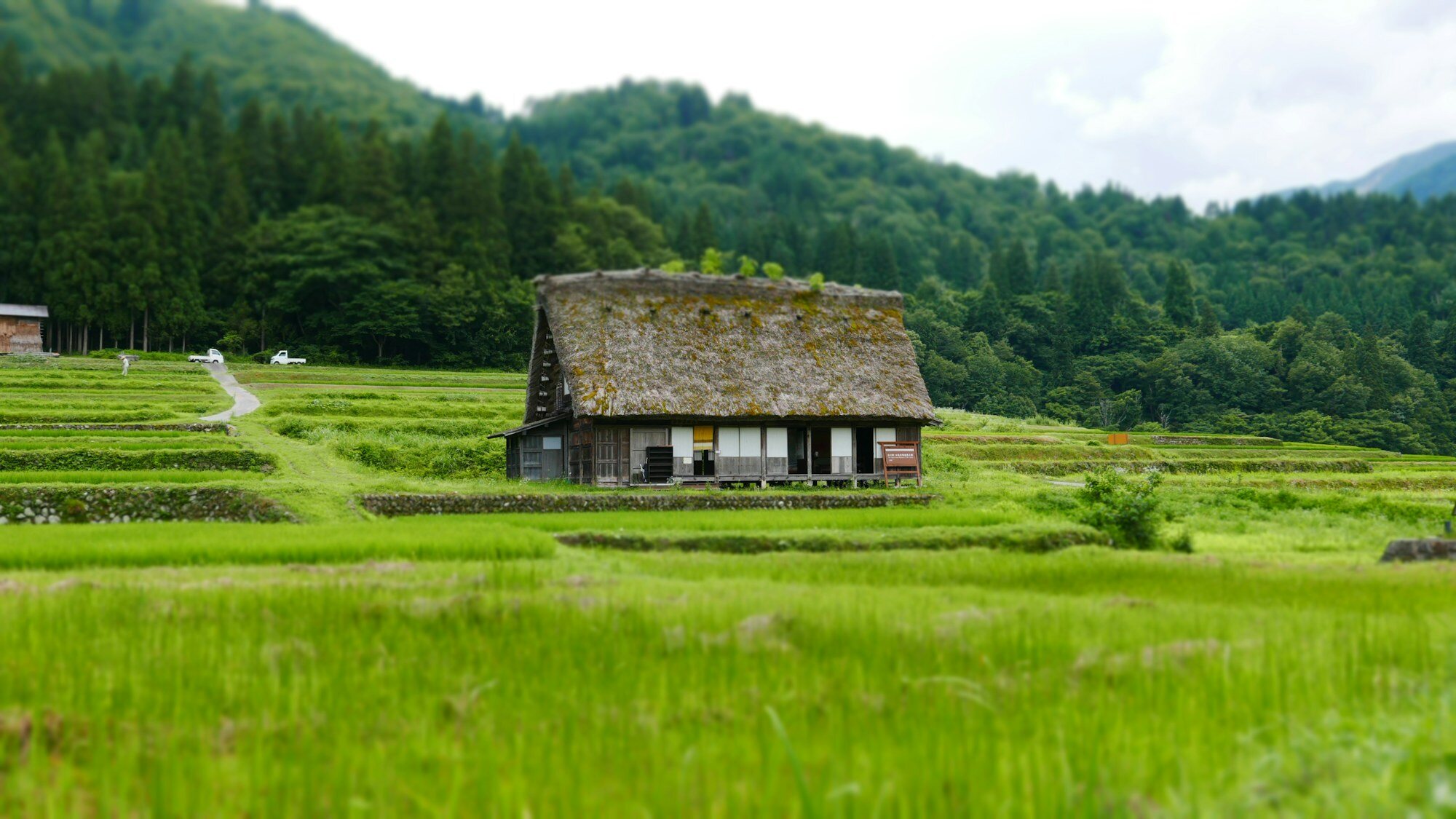
An In-Depth Tour of Rural Japan: A 14-Day Journey Through the Countryside and Hidden Villages
Venture deep into the Japanese countryside to explore traditional farming villages, hot spring towns far from the city, and hidden historical sites, and experie
14 days · Easy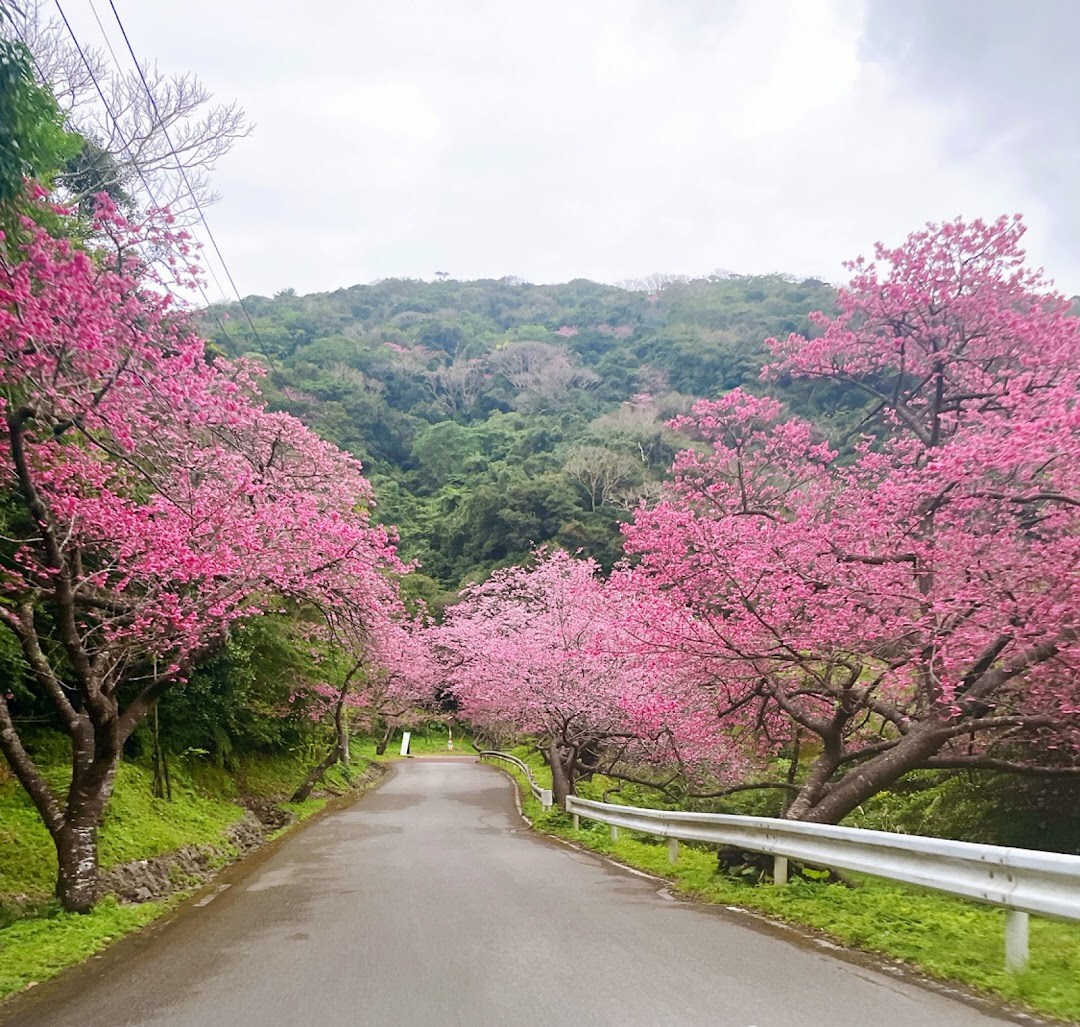
Cherry Blossom Season
Japan’s cherry blossom season is a spring tradition centered on hanami, the appreciation of flowers—especially sakura—and their fleeting beauty. Across the coun
Date pending official confirmation
10-Day Japan: Kyoto & Tokyo Solo Trip Report
Solo trip report: 10 days in Kyoto and Tokyo, Japan. Real costs, daily itinerary, best neighborhoods to explore, IC card tips, and advice for first-time solo tr
10 days
Central Japan and the Alps: 7-Day Road Trip
A seven-day central Japan route linking Matsumoto, Kamikochi, Takayama, Shirakawa-go, Kanazawa and Nagano with manageable mountain drives.
7 days · ModerateRelated reading
Discover places worth the detour
Japan
Tokyo Solo Traveler: A 7-Day In-Depth Tour
Day 1
Senso-ji Temple Asakusa
Senso-ji Temple is Tokyo's oldest and most visited temple, a magnificent Buddhist complex in Asakusa founded in 645 AD according to legend. The towering Kaminarimon (Thunder Gate) with its huge red paper lantern leads to the Nakamise shopping street and the main hall housing a sacred golden image of Kannon, the goddess of mercy. With over 30 million annual visitors, Senso-ji is Japan's most visited spiritual site and the living heart of traditional Edo culture.
View in Google Maps
Day 2
Shibuya Crossing
Shibuya Crossing is arguably the world's busiest pedestrian intersection, where up to 3,000 people cross simultaneously from all directions when the signal turns green. Located in front of Shibuya Station's Hachiko exit, this iconic scramble crossing has become a symbol of Tokyo's energetic urban life, featured in countless films and photographs. The surrounding Shibuya district offers a sensory overload of giant neon screens, department stores, trendy restaurants, and the famous Hachiko dog statue.
View in Google Maps
Day 3
Shinjuku Gyoen Garden
Shinjuku Gyoen National Garden is Tokyo's premier park, a 58.3-hectare sanctuary that harmoniously blends French formal, English landscape, and traditional Japanese garden styles. Originally an imperial garden established in 1906, it now welcomes the public and becomes one of Tokyo's top cherry blossom viewing spots each spring, with over 1,000 cherry trees representing 65 varieties that bloom at different times. The spacious lawns and tranquil ponds provide a much-needed respite from the urban density of surrounding Shinjuku.
View in Google Maps
Day 4
Meiji Shrine
Meiji Shrine is Tokyo's most visited Shinto shrine, dedicated to the deified spirits of Emperor Meiji and Empress Shoken. Nestled within an evergreen forest of 120,000 trees donated from across Japan, the forested approach along a wide gravel path lined with towering torii gates creates a remarkable sense of calm within the bustling metropolis. The shrine receives millions of New Year visitors in the first three days of January and hosts traditional ceremonies and weddings throughout the year.
View in Google Maps
Day 5
Tokyo Skytree
Tokyo Skytree is the world's tallest tower at 634 meters and Japan's most visited self-funded building, offering two observation decks: Tembo Deck at 350 meters and the glass-floored Tembo Galleria at 450 meters, with 360-degree panoramic views of Tokyo and, on clear days, Mt. Fuji. The tower is located in the historic Asakusa/Oshiage area and serves as the hub of Tokyo Skytree Town, which includes the Solamachi shopping complex and an aquarium. Its distinctive silhouette references traditional Japanese esthetics including the five-story pagoda and the samurai sword.
View in Google Maps
Day 6
Akihabara Electric Town
View in Google Maps