

Cambodia · Easy
Road Trip from Thailand to Cambodia: Temples, Beaches, and Local Culture (10 Days)
A 10-day road trip from Bangkok through southern Thailand to the Angkor Wat ruins in Cambodia.
- Days
- 10
- Stops
- 9
- Mapped stops
- 9
- Mapped distance
- 1,562.7 km
Share this itinerary
Trip
Day-by-day route
Day 1
1 stopsDay 2
1 stops · 0.5 km · 1 minDay 3
1 stops · 662.8 kmDay 4
1 stopsDay 8
1 stops · 815.6 kmDay 10
4 stops · 83.8 km · 40 minMap explore
Map explore
Cambodia
Cambodia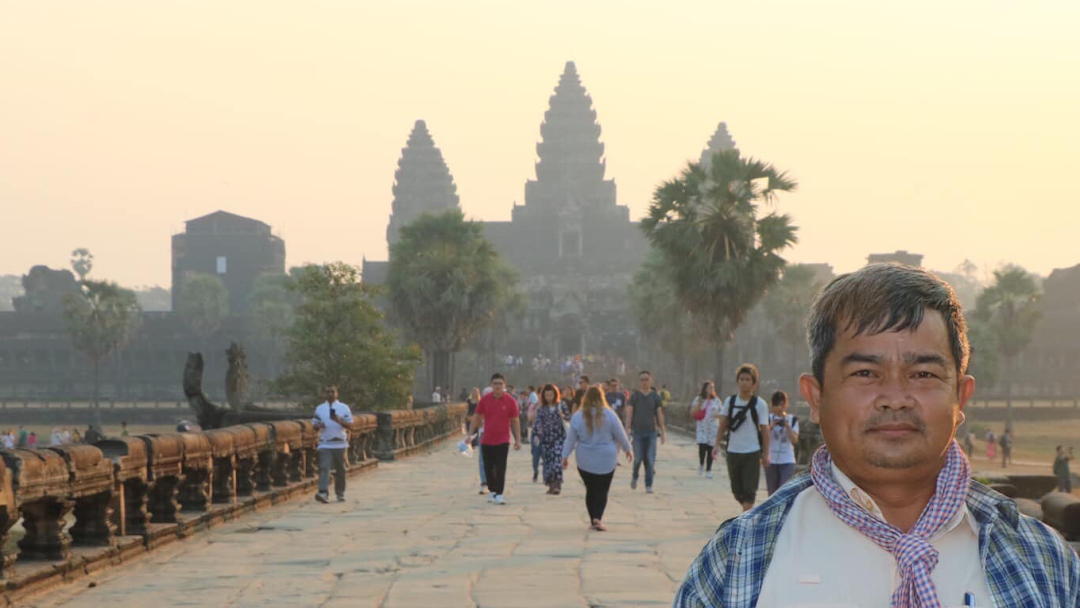
Exploring the Ancient Ruins of the Angkor Dynasty: A 3-Day In-Depth Tour
A 3-day in-depth tour of the Angkor Archaeological Park, from Angkor Wat at sunrise and Ta Prohm Temple in the jungle to the exquisite stone carvings at Banteay
3 days · Easy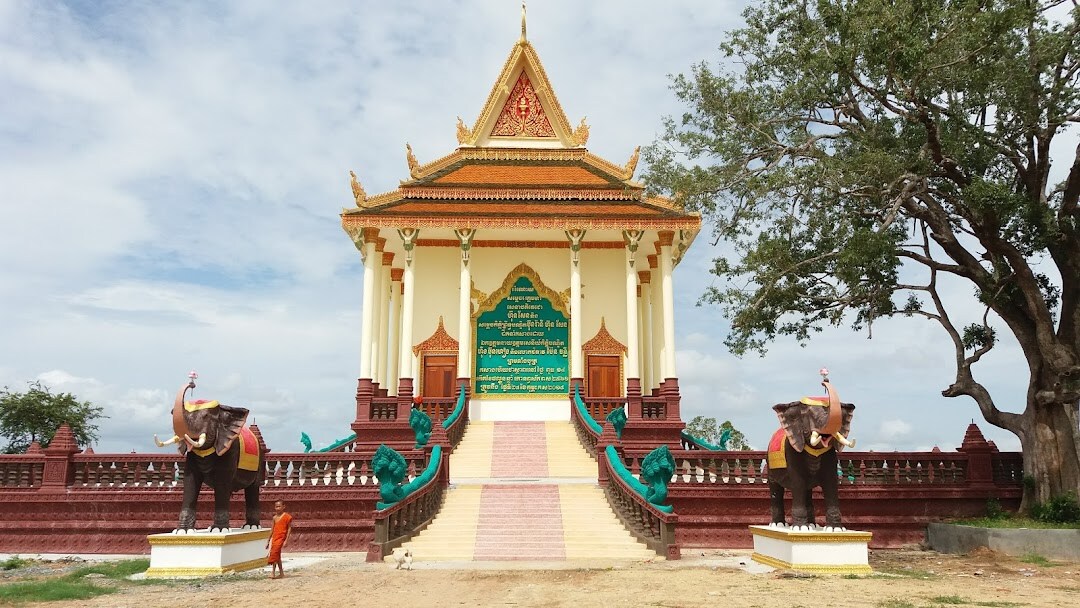
Khmer New Year
Khmer New Year, Cambodia’s traditional solar New Year, is a three-day public holiday usually beginning on 13 or 14 April, after the harvest and before the rainy
Date pending official confirmation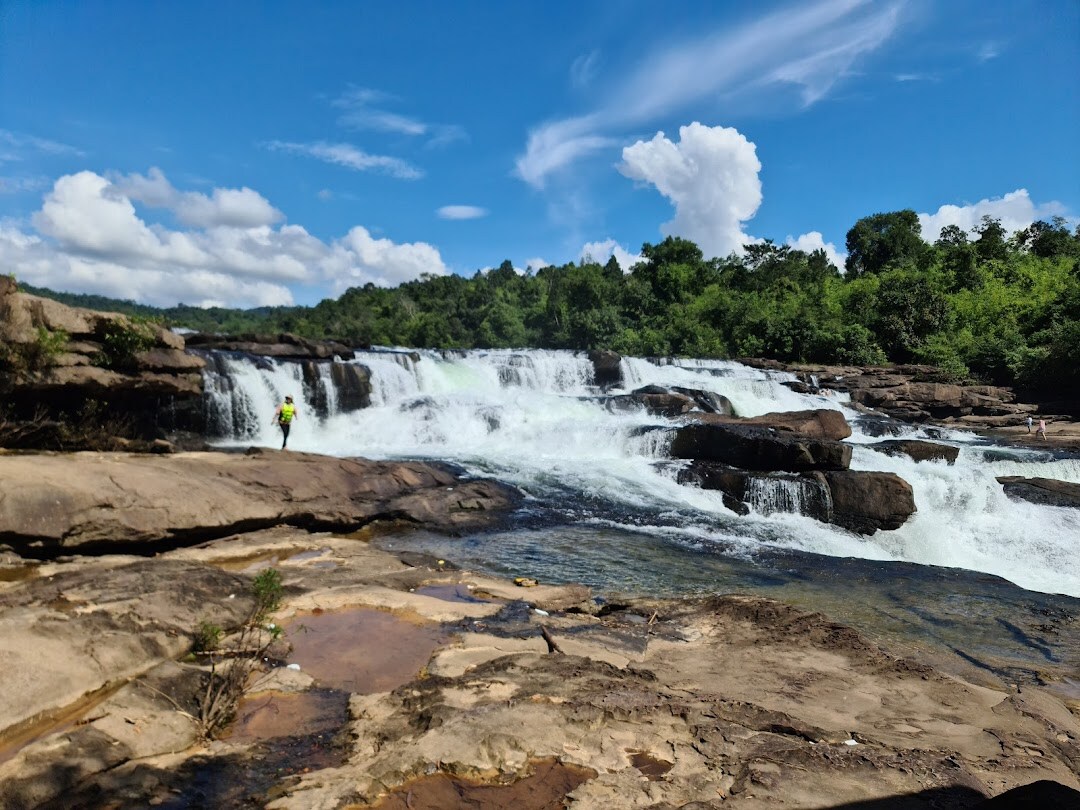
Pchum Ben
Pchum Ben is Cambodia’s 15-day Buddhist religious festival, held at the end of Buddhist Lent, Vassa. It is a solemn time when many Cambodians honor deceased rel
Date pending official confirmationRelated reading
Discover places worth the detour
Cambodia
Road Trip from Thailand to Cambodia: Temples, Beaches, and Local Culture (10 Days)
Day 1
Grand Palace Bangkok
View in Google Maps
Day 2
Wat Pho
View in Google Maps
Day 3
Railay Beach
View in Google Maps
Day 4
Railay Beach
View in Google Maps
Day 8
Angkor Thom
Angkor Thom was the last and most enduring capital of the Khmer Empire, a walled city of 9 sq km containing the Bayon temple with its 54 towers each carved with four serenely smiling stone faces of the Bodhisattva Avalokiteshvara. The royal city, built by Jayavarman VII around 1200 AD, also contains the Baphuon pyramid temple, the Terrace of Elephants, and the Terrace of the Leper King. Its South Gate entrance — a causeway flanked by gods and demons pulling a giant naga serpent — is one of Angkor's most spectacular approaches.
View in Google Maps
Day 10
Angkor Wat
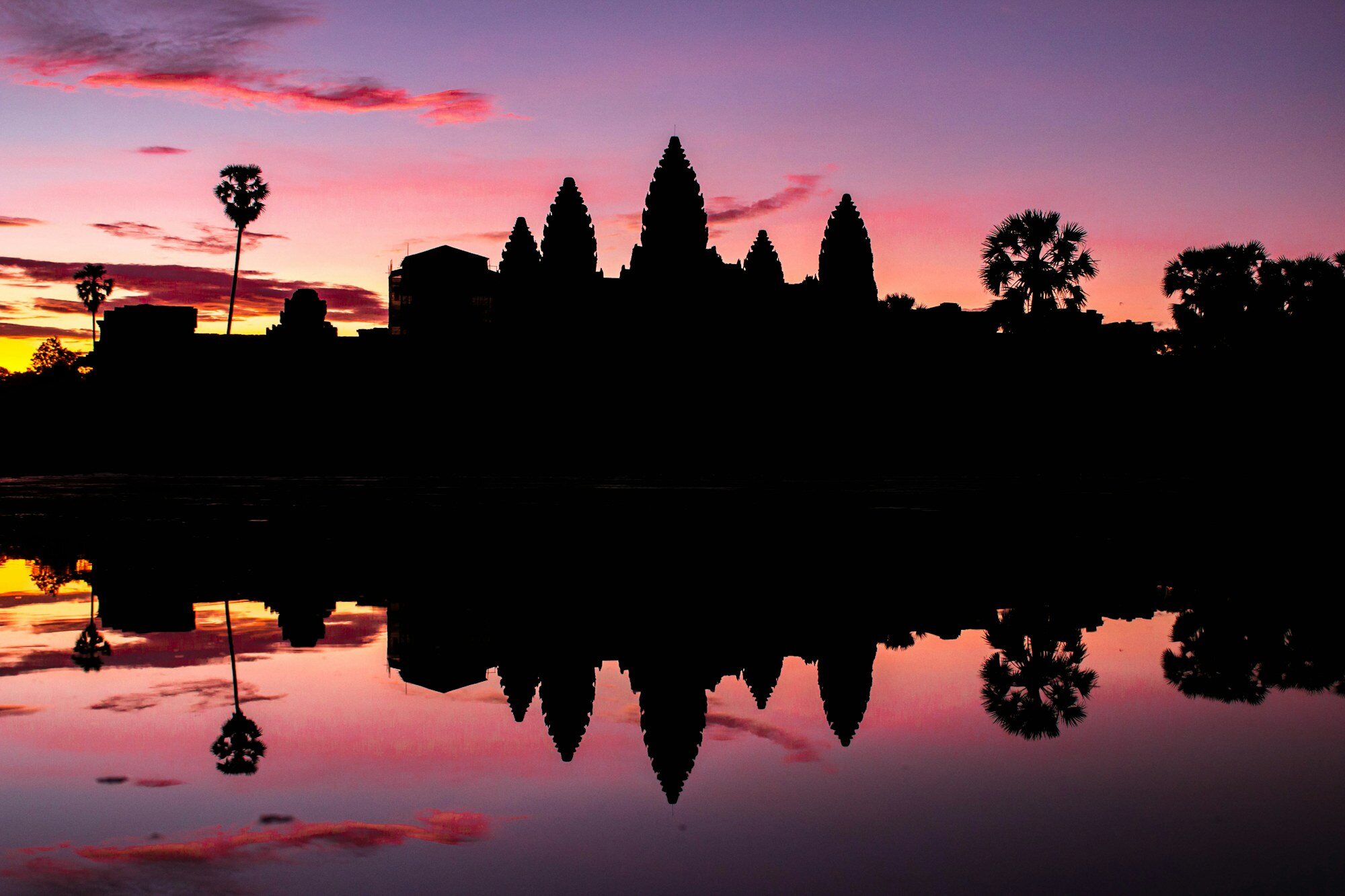
Angkor Wat is the world's largest religious monument, a 12th-century Khmer temple-mountain dedicated to the Hindu god Vishnu, built by King Suryavarman II and covering 401 acres of northwestern Cambodia. Its five lotus-shaped towers, perfectly reflected in the surrounding moat at sunrise, are the national symbol of Cambodia and one of the world's most breathtaking architectural achievements. The bas-reliefs extending around the outer gallery for 800 meters depict the entire Hindu cosmology in extraordinary detail.
View in Google MapsTa Prohm
Ta Prohm at Angkor Archaeological Park is the most atmospheric temple in the Khmer jungle, left partially unrestored so that massive strangler fig and silk-cotton tree roots embrace and invade the stone galleries and towers. Built in the late 12th century as a Buddhist monastery and university, Ta Prohm housed over 12,000 people including nearly 3,000 monks in its prime. Its enigmatic half-swallowed ruins, made famous by the Tomb Raider film, offer the most visceral encounter with the jungle reclaiming a lost civilization.
View in Google MapsBayon Temple
The Bayon Temple at the center of Angkor Thom is one of the world's most distinctive and recognizable ancient structures, its 54 towers each carved with four giant faces gazing serenely in the cardinal directions. Built by Jayavarman VII as the state temple of the Khmer Empire's Buddhist capital, its galleries depict vivid bas-relief scenes of Khmer army battles, market life, cooking scenes, and sporting events. The smiling faces, believed to represent either the king himself or Avalokiteshvara, have become the defining image of the Angkor region.
View in Google MapsTonle Sap Lake
Tonle Sap Lake is a natural attraction known for its landscape and outdoor scenery. It suits travelers looking for viewpoints, walks, photography, and a stronger connection to the region's geography.
View in Google Maps