

New Zealand · Easy
14-Day Self-Drive Road Trip on New Zealand’s South Island
An Epic 14-Day South Island Road Trip, Starting in Christchurch and Ending at Abel Tasman National Park
- Days
- 14
- Stops
- 15
- Mapped stops
- 15
- Mapped distance
- 3,040.1 km
Share this itinerary
Trip
Day-by-day route
Day 1
1 stopsDay 2
1 stops · 287.3 km · 3 hr 50 minDay 3
1 stops · 89.7 km · 1 hr 10 minDay 4
2 stops · 159.5 km · 2 hr 10 minDay 5
1 stops · 66.9 km · 1 hr 0 minDay 6
1 stops · 566.7 km · 7 hr 10 minDay 7
1 stops · 51.3 kmDay 8
1 stops · 126.7 kmDay 9
1 stops · 104.3 km · 1 hr 40 minDay 10
1 stops · 287.6 km · 3 hr 50 minDay 11
1 stops · 303.7 km · 4 hr 0 minDay 12
1 stops · 21.5 km · 25 minDay 13
1 stops · 51.3 km · 50 minDay 14
1 stops · 923.5 km · 12 hr 10 minMap explore
Map explore
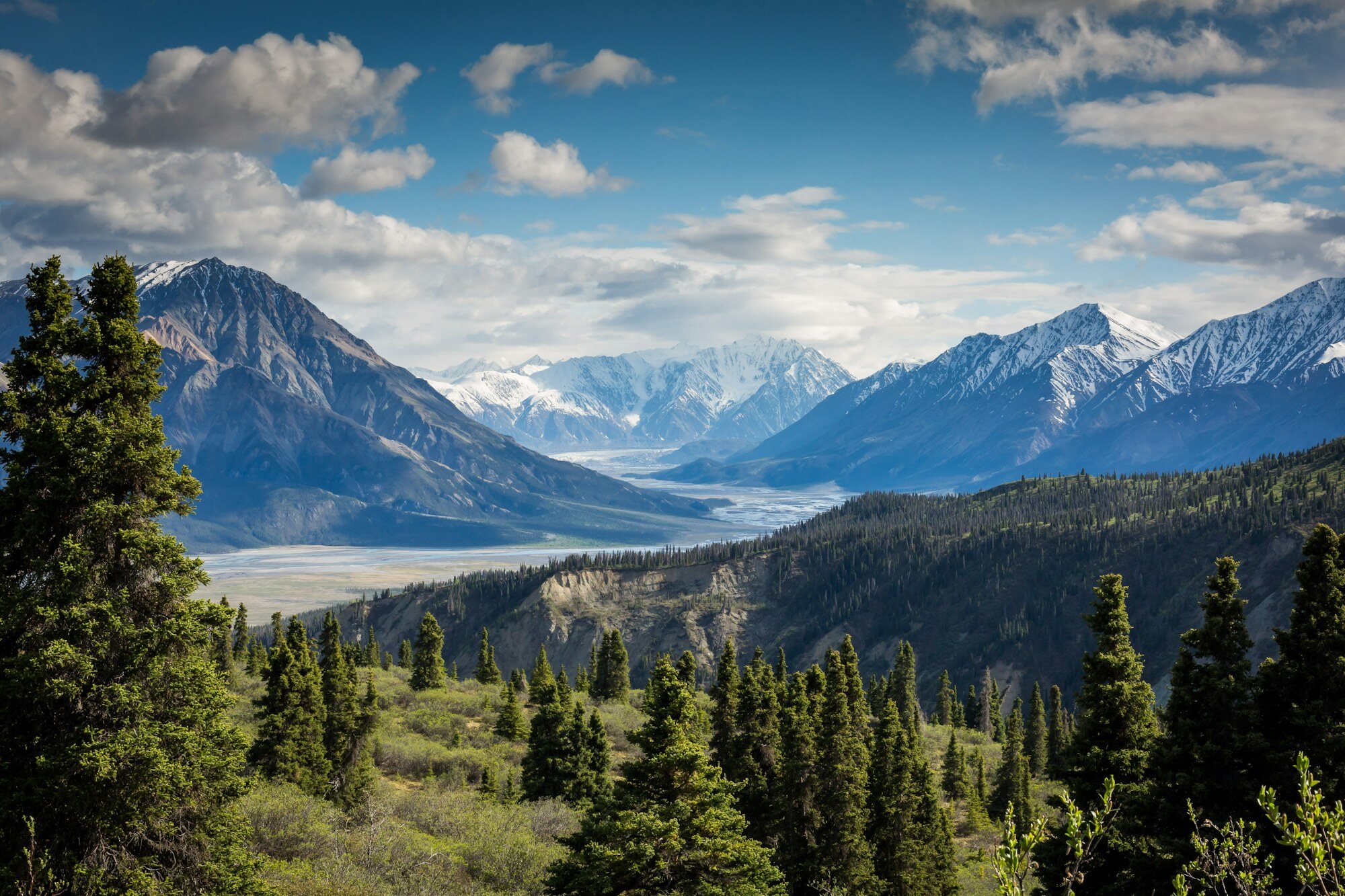
New Zealand
Mountain passes, clear lakes and generous distances make New Zealand a natural fit for a patient road trip.
New Zealand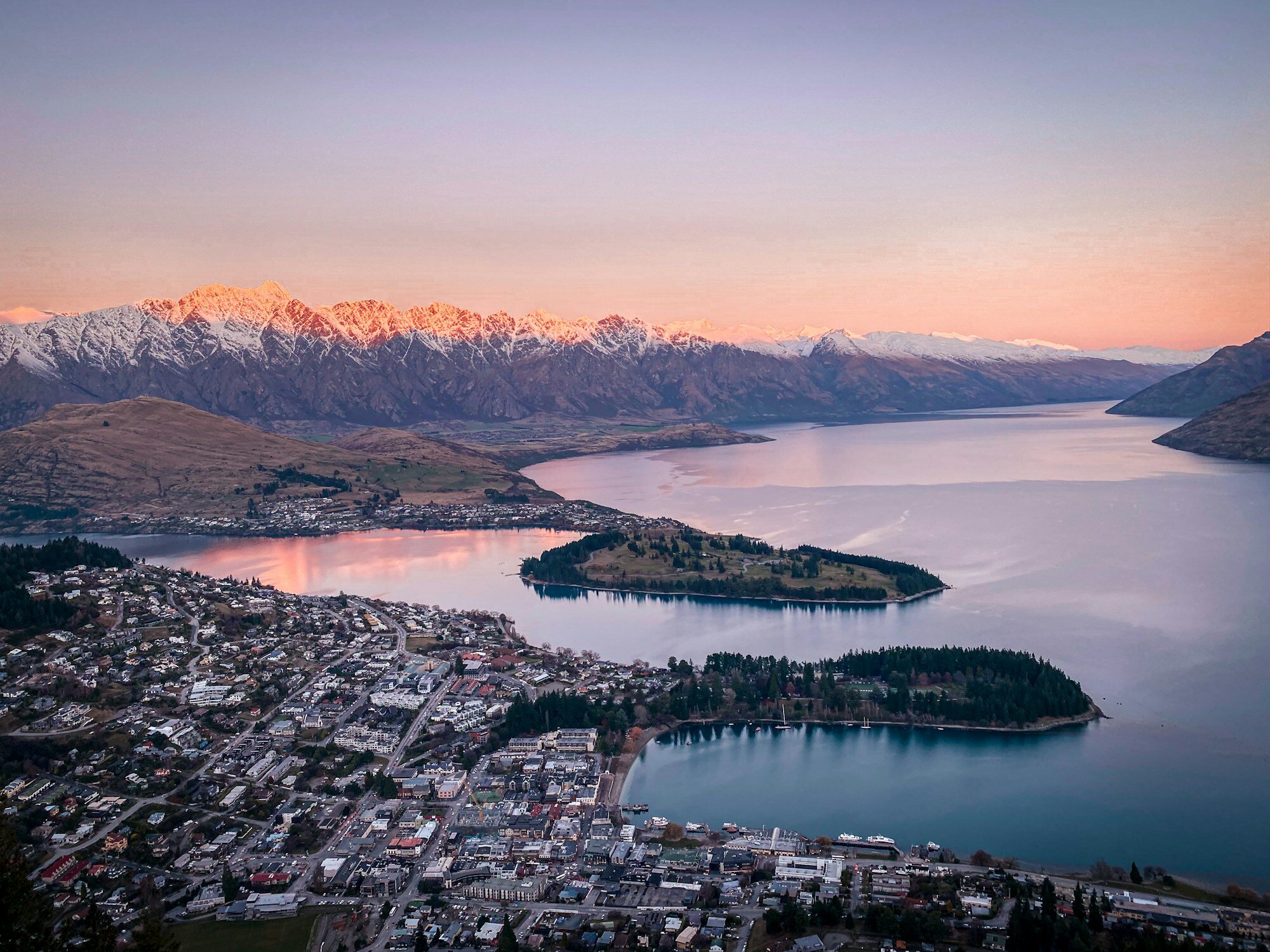
Queenstown Winter 2026: Ski, Adventure & Scenic Drives
Queenstown winter travel guide 2026: world-class skiing at Coronet Peak and The Remarkables, bungee jumping, jet boating, scenic drives, Central Otago pinot noi
7 days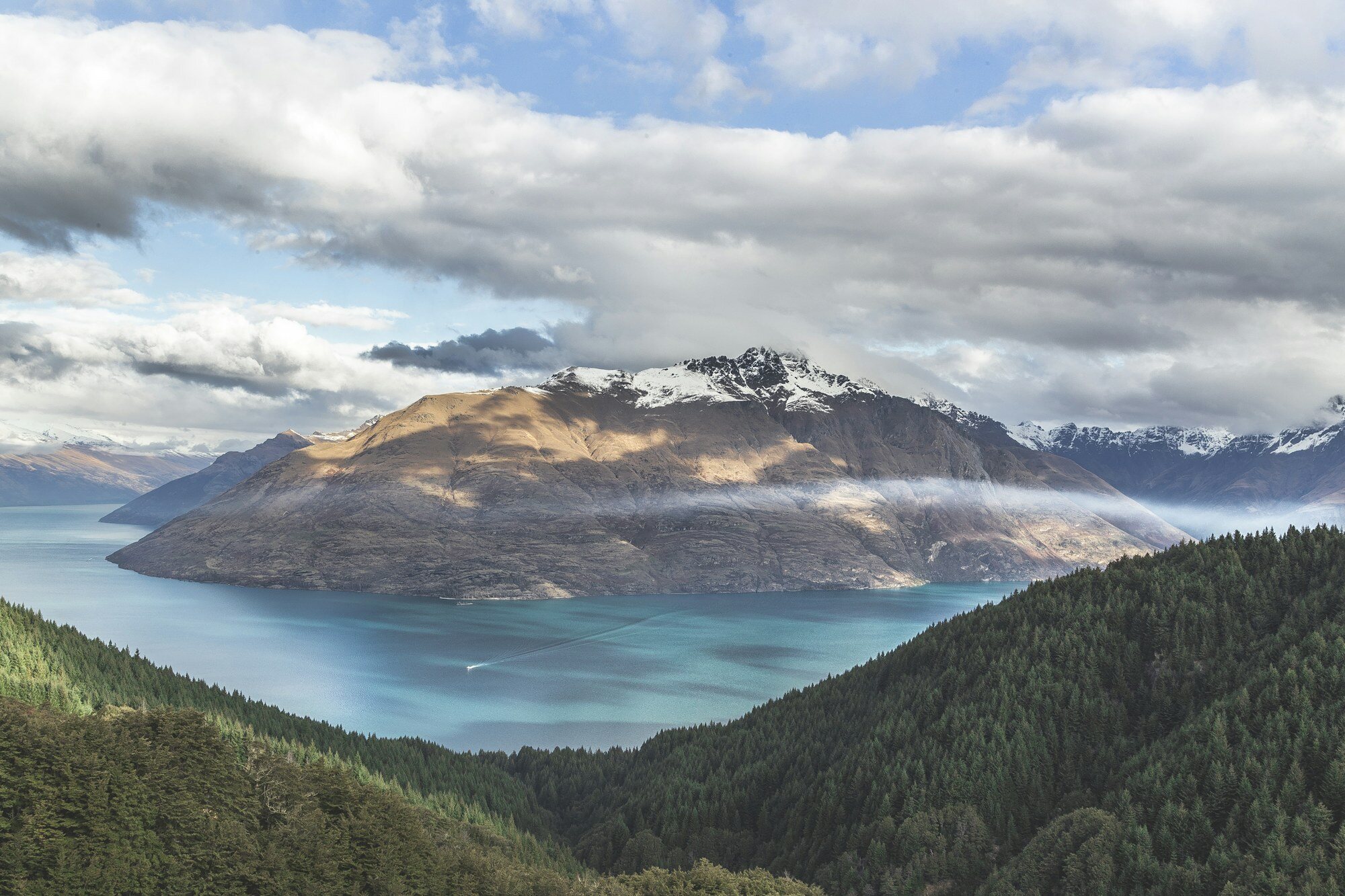
New Zealand South Island Scenic Loop: 7 Days
A focused seven-day South Island route from Christchurch through Lake Tekapo, Aoraki Mount Cook, Wanaka and Queenstown without forcing a full-island sprint.
7 days · Moderate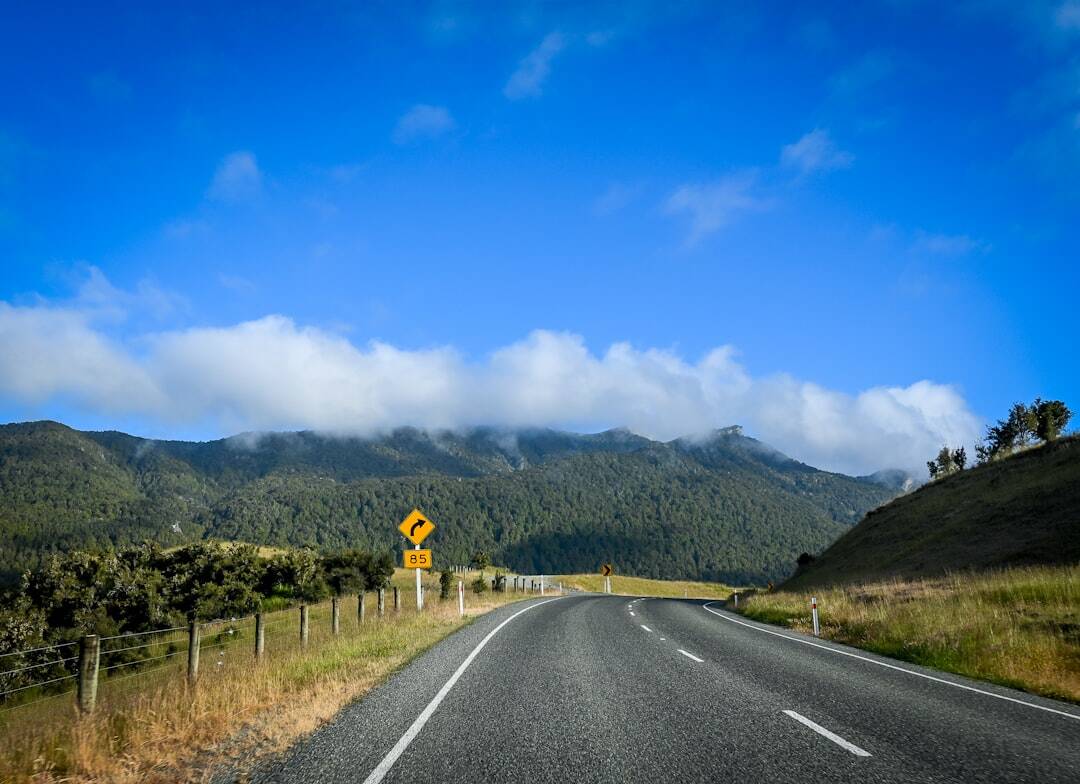
New Zealand North to South: A Practical 12-Day Road Trip
A realistic twelve-day route from Auckland to Queenstown, with ferry and rental-car planning, manageable driving days, and time for New Zealand landscapes.
12 days
Self-Drive Tour of the Glacial Fjords on New Zealand's West Coast (5 Days)
A classic 5-day self-drive itinerary starting in Christchurch, passing through Arthur’s Pass, Punakaiki, Hokitika, Fox Glacier, and Lake Matheson, and ending in
5 days · EasyRelated reading
Discover places worth the detour
New Zealand
14-Day Self-Drive Road Trip on New Zealand’s South Island
Day 1
Christchurch
Christchurch is New Zealand's South Island garden city, rebuilt with innovative architecture and vibrant street art following the devastating 2011 earthquake. The Ōtākaro Avon River Precinct, the Canterbury Museum, and the reimagined Cardboard Cathedral showcase the city's creative rebirth. It serves as the primary gateway to the Southern Alps, ski fields, and the wild Canterbury Plains.
View in Google Maps
Day 2
Pancake Rocks Punakaiki
Pancake Rocks Punakaiki is a natural attraction known for its landscape and outdoor scenery. It suits travelers looking for viewpoints, walks, photography, and a stronger connection to the region's geography.
View in Google Maps
Day 3
Hokitika Gorge
Hokitika Gorge is a natural attraction known for its landscape and outdoor scenery. It suits travelers looking for viewpoints, walks, photography, and a stronger connection to the region's geography.
View in Google Maps
Day 4
Franz Josef Glacier
Franz Josef Glacier is one of New Zealand's most accessible and dramatic glaciers, a 12-km river of ice descending from the Southern Alps almost to sea level in a temperate rainforest on the West Coast of the South Island. Named after the Austrian emperor by a Victorian explorer, it can be explored on foot or by helicopter landing on the ice field. The glacier has retreated significantly in recent decades, making visits a poignant reminder of climate change.
View in Google MapsFox Glacier
Fox Glacier is one of New Zealand's most accessible glaciers, a 13-km tongue of ice descending from the Southern Alps to within 245 meters of sea level in a temperate rainforest on the West Coast of the South Island. Named after a New Zealand prime minister, it can be explored on foot to the terminal face or by helicopter landing on the upper icefield. Like most glaciers worldwide, Fox has retreated significantly in recent decades due to climate change, making visits increasingly poignant.
View in Google Maps
Day 5
Lake Matheson
Lake Matheson is a natural attraction valued for scenery, fresh air, and photo-friendly views. It works well in itineraries that need a quieter outdoor stop, a walk, or a landscape-focused break between busier sights. Conditions can vary by season, so check access, weather, and local safety guidance before going.
View in Google Maps
Day 6
Lake Tekapo
A clear alpine lake and an easy place to build a quiet half-day into a longer route.
View in Google Maps
Day 7
Aoraki Mt Cook National Park
Aoraki / Mount Cook National Park in New Zealand's Southern Alps protects the country's highest peak, Aoraki/Mount Cook (3,724 m), and the longest glacier in the southern hemisphere outside the polar regions, the Tasman Glacier. The star-gazing within the park's Dark Sky Reserve is among the finest in the southern hemisphere. The Hooker Valley Track offering lake-and-glacier views, and the alpine village of Mount Cook at the park entrance, make it a supreme destination for outdoor adventure.
View in Google Maps
Day 8
Wanaka
Wanaka is a notable point of interest, offering visitors an opportunity to experience the distinctive character and appeal of this destination. Whether for its natural beauty, cultural significance, or unique atmosphere, it provides a rewarding experience as part of a broader exploration of the area.
View in Google Maps
Day 9
Queenstown Adventure Hub
Queenstown Adventure Hub is a named place of interest that can add local context, scenery, or culture to a travel itinerary. It is best used as a focused stop when exploring nearby neighborhoods, landmarks, or regional routes.
View in Google Maps
Day 10
Milford Sound
Milford Sound is Fiordland National Park's most spectacular fjord, a place where sheer granite walls rise 1,200 meters directly from the dark water, and waterfalls cascade hundreds of meters unbroken into the sea. Sir Edmund Hillary called it the eighth wonder of the world, and boat cruises through the fjord reveal a primeval landscape of glacially carved cliffs, fur seals, dolphins, and Stirling Falls. The 2-hour drive from Queenstown through the Homer Tunnel is itself a remarkable journey.
View in Google Maps
Day 11
Queenstown Central
Queenstown Central is the vibrant heart of New Zealand's adventure capital, a compact downtown of restaurants, bars, and outdoor gear shops overlooking the glacial blue of Lake Wakatipu and the jagged Remarkables mountain range. The mall, lakefront promenade, and Steamer Wharf precinct buzz with travelers from around the world drawn by bungee jumping, skiing, jet boating, and hiking. The nightly energy of Queenstown's bar scene has earned it a reputation as the southern hemisphere's party capital.
View in Google Maps
Day 12
Arrowtown
Arrowtown is a perfectly preserved gold rush town in the Queenstown Lakes district, nestled in an Otago valley where the Arrow River was once panned for gold in the 1860s. Its broad main street of stone and timber gold-rush era buildings houses boutiques, restaurants, and the excellent Lakes District Museum. The surrounding gorge walk and autumn foliage — the poplars and willows turning gold in April — create some of the most beautiful seasonal scenes in New Zealand.
View in Google Maps
Day 13
Central Otago Wine Region
Central Otago Wine Region is a notable point of interest, offering visitors an opportunity to experience the distinctive character and appeal of this destination. Whether for its natural beauty, cultural significance, or unique atmosphere, it provides a rewarding experience as part of a broader exploration of the area.
View in Google Maps
Day 14
Abel Tasman National Park
Abel Tasman National Park is New Zealand's smallest but most popular national park, a golden-sand coastal paradise at the top of the South Island where a mosaic of granite headlands, forest, and turquoise sea create an incomparably beautiful coastal landscape. The Abel Tasman Coast Track is one of New Zealand's Great Walks, a 60-km route through the park accessible by water taxi, sea kayak, or on foot. The park's sheltered bays host an extraordinary density of native wildlife including wading birds, fur seals, and little penguins.
View in Google Maps