
Japan · Easy
3 Days in Kyoto: Temples, Food Streets, and Transportation Routes
A 3-day itinerary in Kyoto, taking you to Fushimi Inari, Higashiyama, Gion, Nishiki Market, Ponto-chō, Arashiyama, Tenryū-ji Temple, Kinkaku-ji Temple, and Kyoto Station.
- Days
- 3
- Stops
- 10
- Mapped stops
- 10
- Mapped distance
- 38.6 km
Share this itinerary
Trip
Day-by-day route
Day 1
4 stops · 7.1 km · 30 minDay 2
2 stops · 3.6 km · 20 minDay 3
4 stops · 27.9 km · 1 hr 30 minMap explore
Map explore
Japan
A slower route through forest roads, onsen towns and food-focused stops across Japan.
Japan
Kansai Region: Japan's Cultural Heartland - Independent Travel Guide
A comprehensive independent travel guide to Japan's Kansai region covering Kyoto, Osaka, Nara, Kobe and more. Includes cultural insights, food recommendations,
7 days
An In-Depth Tour of Rural Japan: A 14-Day Journey Through the Countryside and Hidden Villages
Venture deep into the Japanese countryside to explore traditional farming villages, hot spring towns far from the city, and hidden historical sites, and experie
14 days · Easy
Cherry Blossom Season
Japan’s cherry blossom season is a spring tradition centered on hanami, the appreciation of flowers—especially sakura—and their fleeting beauty. Across the coun
Date pending official confirmation
10-Day Japan: Kyoto & Tokyo Solo Trip Report
Solo trip report: 10 days in Kyoto and Tokyo, Japan. Real costs, daily itinerary, best neighborhoods to explore, IC card tips, and advice for first-time solo tr
10 days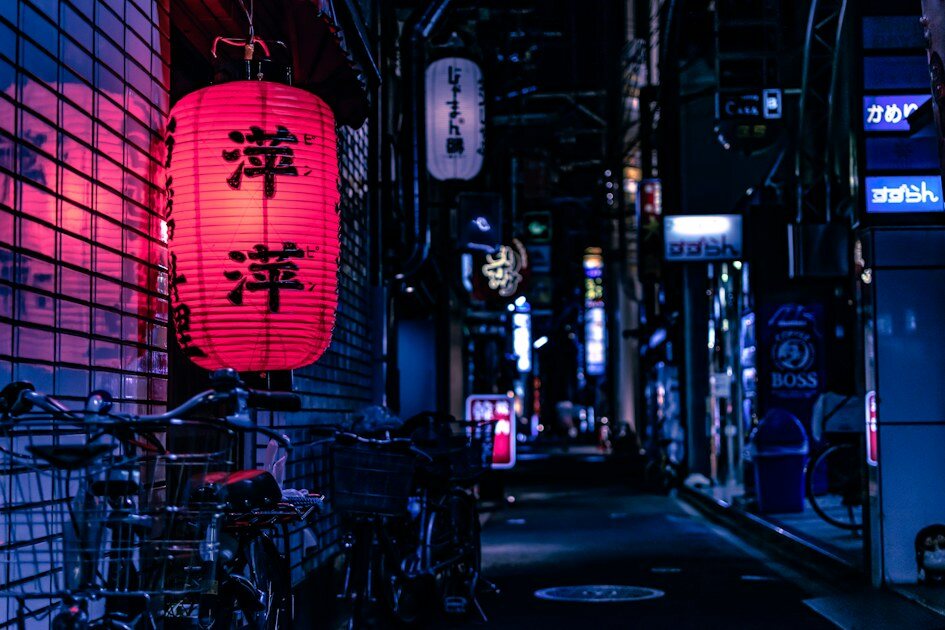
Central Japan and the Alps: 7-Day Road Trip
A seven-day central Japan route linking Matsumoto, Kamikochi, Takayama, Shirakawa-go, Kanazawa and Nagano with manageable mountain drives.
7 days · ModerateRelated reading
Discover places worth the detour
Japan
3 Days in Kyoto: Temples, Food Streets, and Transportation Routes
Day 1
Fushimi Inari Shrine Kyoto
Fushimi Inari Shrine Kyoto is a religious and cultural landmark with architectural, historical, or spiritual significance. It is worth visiting for its atmosphere, craftsmanship, and role in the local heritage.
View in Google MapsNishiki Market
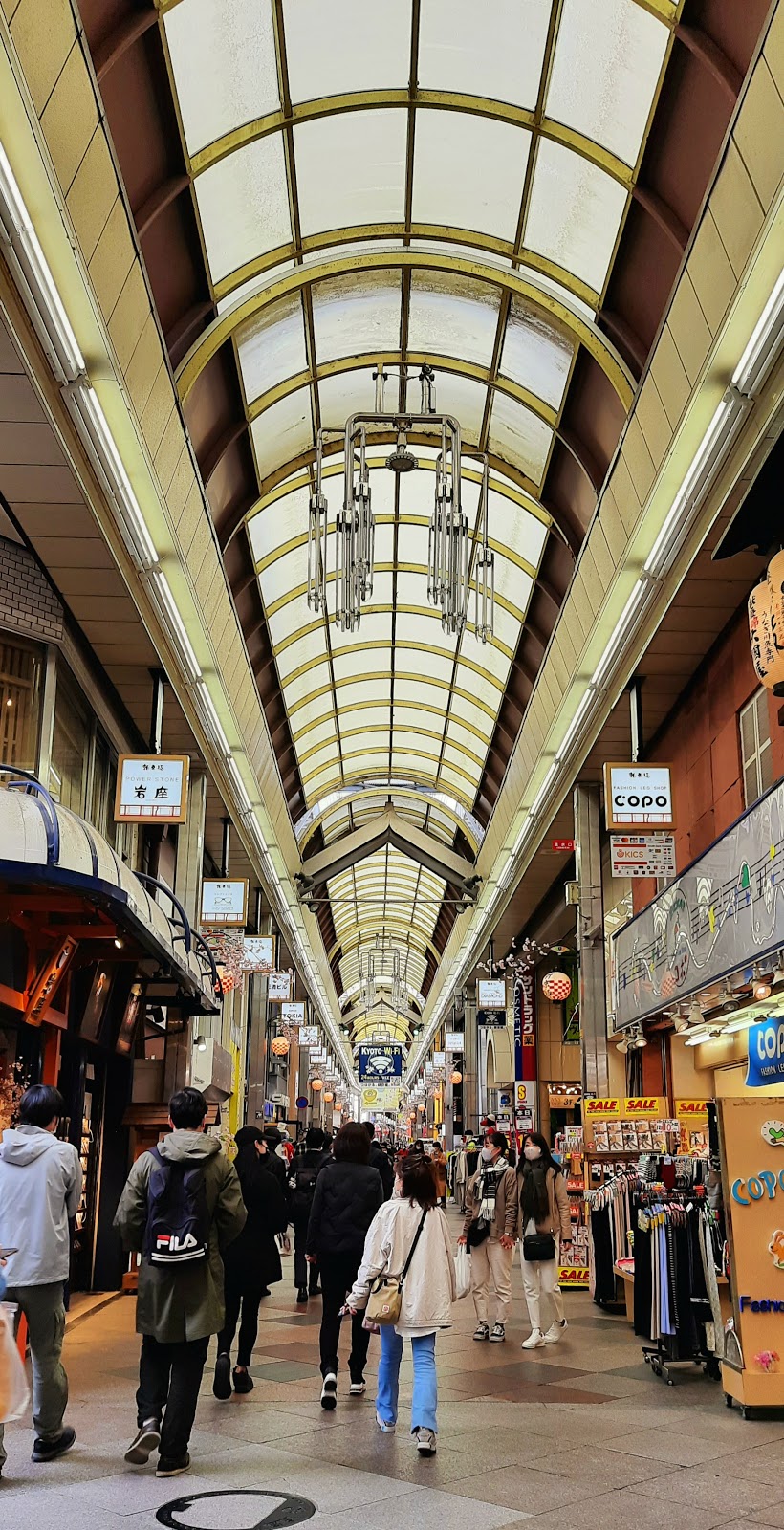
Nishiki Market is Kyoto's most vibrant traditional market, a narrow five-block covered shopping street in the city center packed with 100-plus specialty shops and stalls selling Kyoto's distinctive food culture. Known as Kyoto's Kitchen, it has supplied the city's restaurants and households with tofu, pickled vegetables, fresh fish, and matcha sweets for centuries. Tasting nibbles from stall to stall — skewered octopus, sesame mochi, dashi broth — is the best way to explore.
View in Google MapsPontocho Alley
Pontocho Alley is a lively local area where travelers can experience shops, food, street life, and everyday culture. It is a practical stop for walking, browsing, and getting a feel for the destination's character.
View in Google MapsYasaka Shrine
Yasaka Shrine is Gion's most celebrated Shinto shrine, a magnificent vermilion gate complex at the eastern end of Shijo Street that has served as the guardian of the Gion district for over 1,350 years. The shrine's nightly lanterns and surrounding garden create a magical atmosphere, especially during the famous Gion Matsuri in July — Japan's grandest festival, during which spectacular parade floats called yamahoko are assembled in the surrounding streets.
View in Google Maps
Day 2
Kiyomizu-dera Temple
Kiyomizu-dera Temple is a significant religious and cultural site , attracting both worshippers and cultural visitors. The site's architectural beauty and spiritual heritage make it an important landmark reflecting the region's religious traditions and historical character. A meaningful place for cultural exploration and quiet contemplation.
View in Google MapsSannenzaka and Ninenzaka
Sannenzaka and Ninenzaka is a named place of interest that can add local context, scenery, or culture to a travel itinerary. It is best used as a focused stop when exploring nearby neighborhoods, landmarks, or regional routes.
View in Google Maps
Day 3
Arashiyama Bamboo Forest
The Arashiyama Bamboo Forest is one of Japan's most magical natural attractions, a dense grove of towering Moso bamboo whose 20-meter stalks create a hushed, otherworldly corridor of pale green light. The grove is at its most ethereal in early morning before crowds arrive, when the bamboo sways gently and the light filters through the canopy. The path connects the scenic Tenryu-ji temple garden to the quiet hillside lanes of Sagano beyond.
View in Google MapsTenryu-ji Temple
Tenryu-ji Temple is a significant religious and cultural site , attracting both worshippers and cultural visitors. The site's architectural beauty and spiritual heritage make it an important landmark reflecting the region's religious traditions and historical character. A meaningful place for cultural exploration and quiet contemplation.
View in Google MapsKinkaku-ji
Kinkaku-ji is a notable point of interest, offering visitors an opportunity to experience the distinctive character and appeal of this destination. Whether for its natural beauty, cultural significance, or unique atmosphere, it provides a rewarding experience as part of a broader exploration of the area.
View in Google MapsKyoto Station
Kyoto Station is the city's central transportation hub, handling over 120,000 passengers daily on JR lines including the Tokaido Shinkansen, Sanin Line, and Kintetsu railways. Designed by architect Hiroshi Hara and completed in 1997, the station building is itself a major attraction — a vast steel and glass structure housing a shopping complex, hotels, restaurants, and a rooftop sky garden with panoramic views of the city. All major city bus routes originate here, making Kyoto Station the practical gateway to temples, shrines, and neighborhoods throughout the city.
View in Google Maps