

Japan · Easy
A Road Trip Through the Hidden Valleys of the Japanese Alps
Venture deep into Japan’s Northern Alps to explore hidden mountain valley destinations such as Kamikochi, Shirakawa-go’s Gassho-style villages, and Hida Takayama.
- Days
- 7
- Stops
- 7
- Mapped stops
- 7
- Mapped distance
- 225 km
Share this itinerary
Trip
Day-by-day route
Day 1
1 stopsDay 2
1 stops · 31.4 kmDay 3
1 stops · 3 kmDay 4
1 stops · 13.9 kmDay 5
1 stops · 21.3 kmDay 6
1 stops · 134.2 km · 3 hr 0 minDay 7
1 stops · 21.1 kmMap explore
Map explore
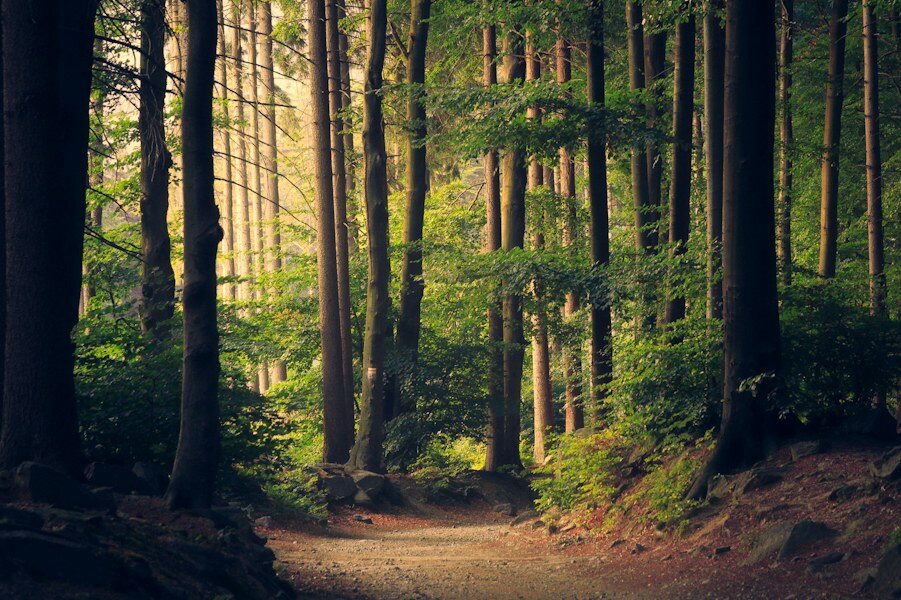
Japan
A slower route through forest roads, onsen towns and food-focused stops across Japan.
Japan
Kansai Region: Japan's Cultural Heartland - Independent Travel Guide
A comprehensive independent travel guide to Japan's Kansai region covering Kyoto, Osaka, Nara, Kobe and more. Includes cultural insights, food recommendations,
7 days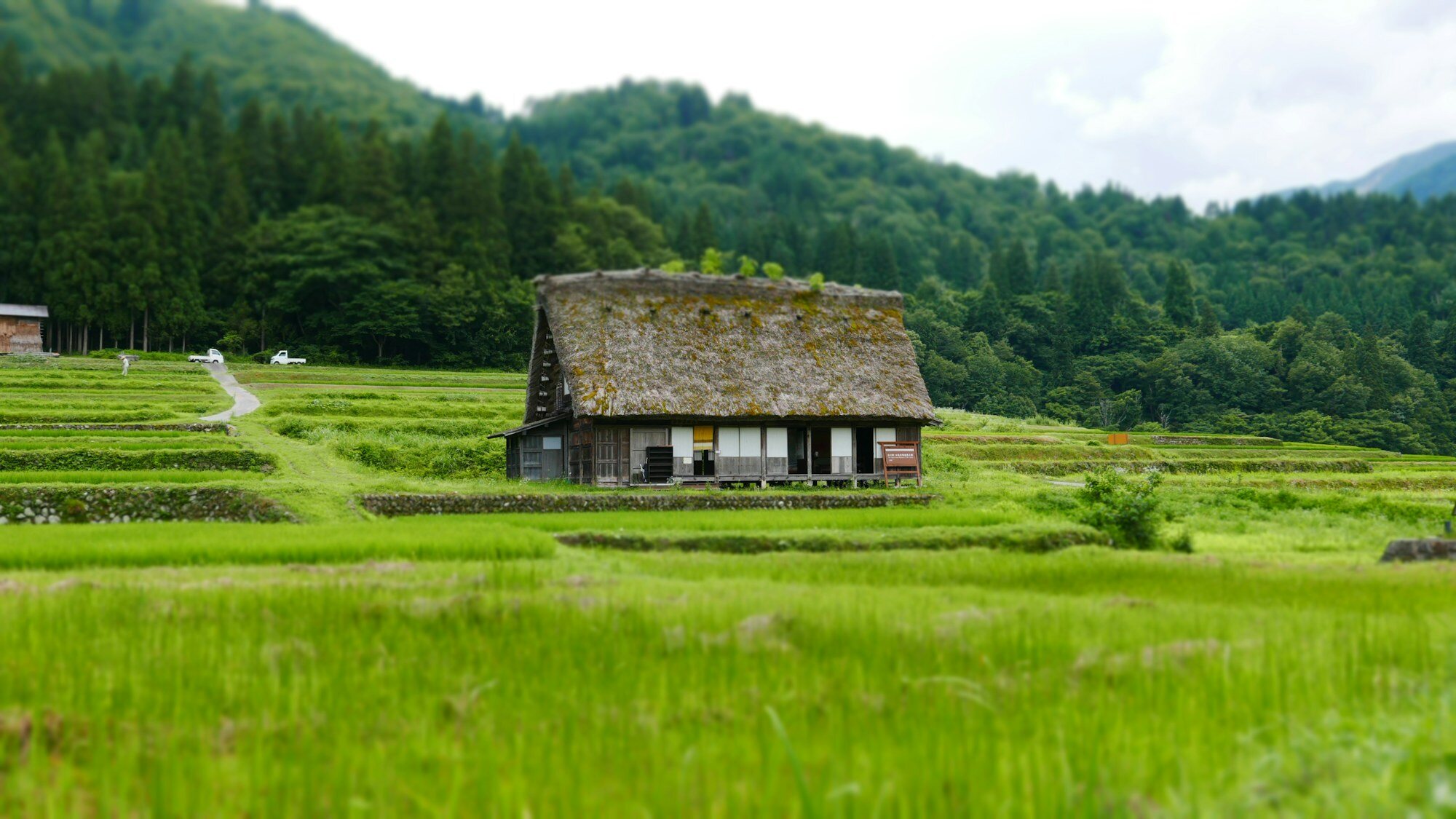
An In-Depth Tour of Rural Japan: A 14-Day Journey Through the Countryside and Hidden Villages
Venture deep into the Japanese countryside to explore traditional farming villages, hot spring towns far from the city, and hidden historical sites, and experie
14 days · Easy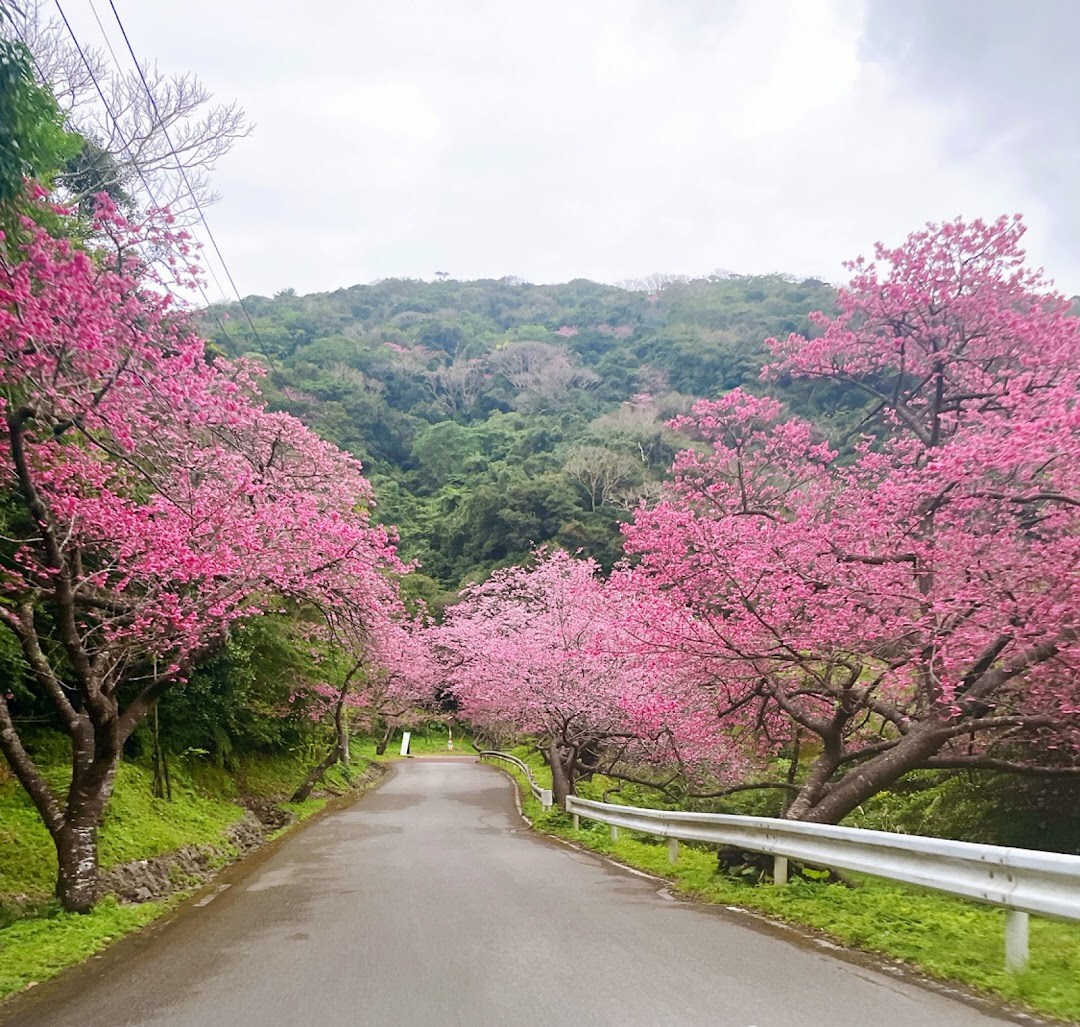
Cherry Blossom Season
Japan’s cherry blossom season is a spring tradition centered on hanami, the appreciation of flowers—especially sakura—and their fleeting beauty. Across the coun
Date pending official confirmation
10-Day Japan: Kyoto & Tokyo Solo Trip Report
Solo trip report: 10 days in Kyoto and Tokyo, Japan. Real costs, daily itinerary, best neighborhoods to explore, IC card tips, and advice for first-time solo tr
10 days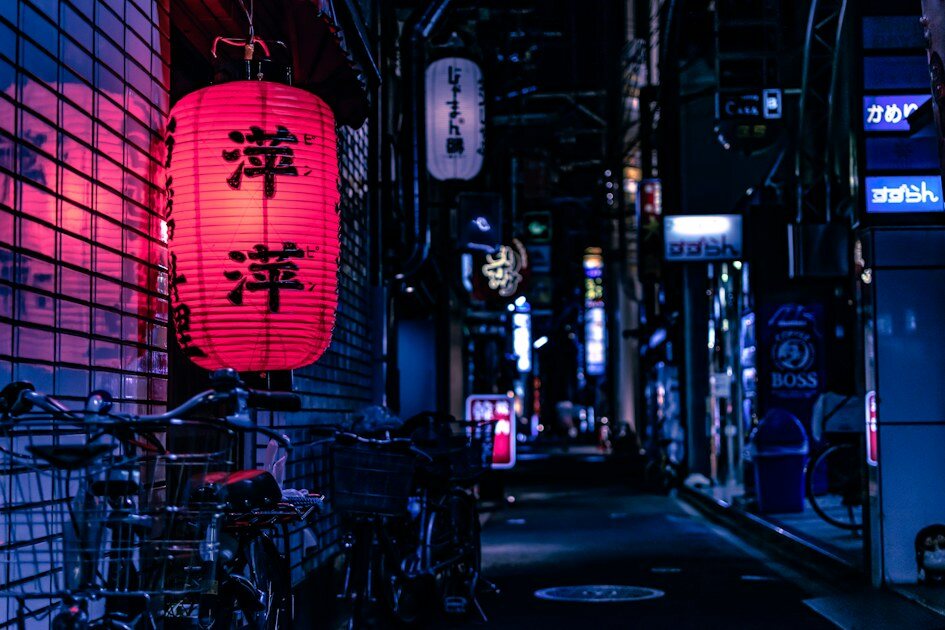
Central Japan and the Alps: 7-Day Road Trip
A seven-day central Japan route linking Matsumoto, Kamikochi, Takayama, Shirakawa-go, Kanazawa and Nagano with manageable mountain drives.
7 days · ModerateRelated reading
Discover places worth the detour
Japan
A Road Trip Through the Hidden Valleys of the Japanese Alps
Day 1
Matsumoto Castle
Matsumoto Castle is one of Japan's four National Treasures among surviving feudal castles, a striking six-story fortress nicknamed 'Crow Castle' (Karasu-jo) for its dramatic black exterior. Built in the late 16th century in the mountains of Nagano Prefecture, the castle stands directly on the ground rather than on a hill — a style called hirajiro — and is one of Japan's oldest surviving original castles. Cherry blossoms in spring and snow-framed mountains in winter create a particularly picturesque setting.
View in Google Maps
Day 2
Kamikochi
Kamikōchi is Japan's most celebrated high-altitude valley, a remote and pristine glacially carved basin in the Northern Japan Alps in Nagano Prefecture at 1,500 meters. The Azusa River flowing through the valley beneath the towering peaks of Hotaka and Yarigatake creates one of Japan's finest mountain landscapes. The valley is only accessible by bus or taxi from Matsumoto (private vehicles are banned), and its hiking trails, pristine forest, and sacred Myōjin Pond draw visitors from April to November.
View in Google Maps
Day 3
Shirahone Onsen
Shirahone Onsen is a wellness-focused stop where travelers can experience local bathing or relaxation culture. It is a good addition to an itinerary when slower pacing and recovery time are part of the trip.
View in Google Maps
Day 4
Mount Norikura
Mount Norikura is a natural attraction known for its landscape and outdoor scenery. It suits travelers looking for viewpoints, walks, photography, and a stronger connection to the region's geography.
View in Google Maps
Day 5
Takayama Old Town (Sanmachi Suji)
Takayama Old Town (Sanmachi Suji) is a vibrant urban area , alive with local culture, commerce, and community life. The area offers an authentic experience of local traditions, street life, and the distinct character of this community, making it a rewarding destination for those seeking genuine cultural engagement.
View in Google Maps
Day 6
Hakuba
Hakuba is a named place of interest that can add local context, scenery, or culture to a travel itinerary. It is best used as a focused stop when exploring nearby neighborhoods, landmarks, or regional routes.
View in Google Maps
Day 7
Kurobe Gorge
Kurobe Gorge is a natural attraction known for its landscape and outdoor scenery. It suits travelers looking for viewpoints, walks, photography, and a stronger connection to the region's geography.
View in Google Maps