

India · Easy
A Culinary Journey Through India: A 12-Day Food Exploration of Mumbai, Delhi, and Jaipur
A 12-day street food tour through India’s three culinary capitals: Mumbai’s down-to-earth street food culture, the culinary heritage of the Mughal Empire in Delhi, and the desert-inspired cuisine of Rajasthan in Jaipur.
- Days
- 12
- Stops
- 5
- Mapped stops
- 5
- Mapped distance
- 1,924.9 km
Share this itinerary
Trip
Day-by-day route
Day 1
1 stopsDay 3
1 stops · 1,363.3 km · 21 hr 0 minDay 5
1 stops · 297.1 km · 4 hr 10 minDay 7
1 stops · 8.6 km · 20 minDay 9
1 stops · 255.9 km · 4 hr 50 minMap explore
Map explore

India
India
7-Day Tour of India's Golden Triangle
The Classic Golden Triangle Circuit: A Budget-Friendly Way to Explore Delhi, Agra, and Jaipur
7 days · Easy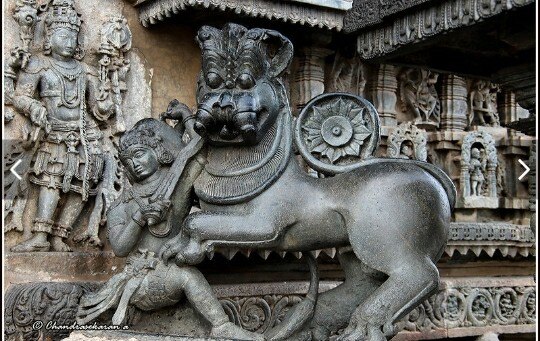
Holi Festival of Colors
In India, Holi—the festival of colours—welcomes spring, marks winter’s end and invokes a good harvest. Its Hindu traditions celebrate the love of Radha and Kris
Date pending official confirmation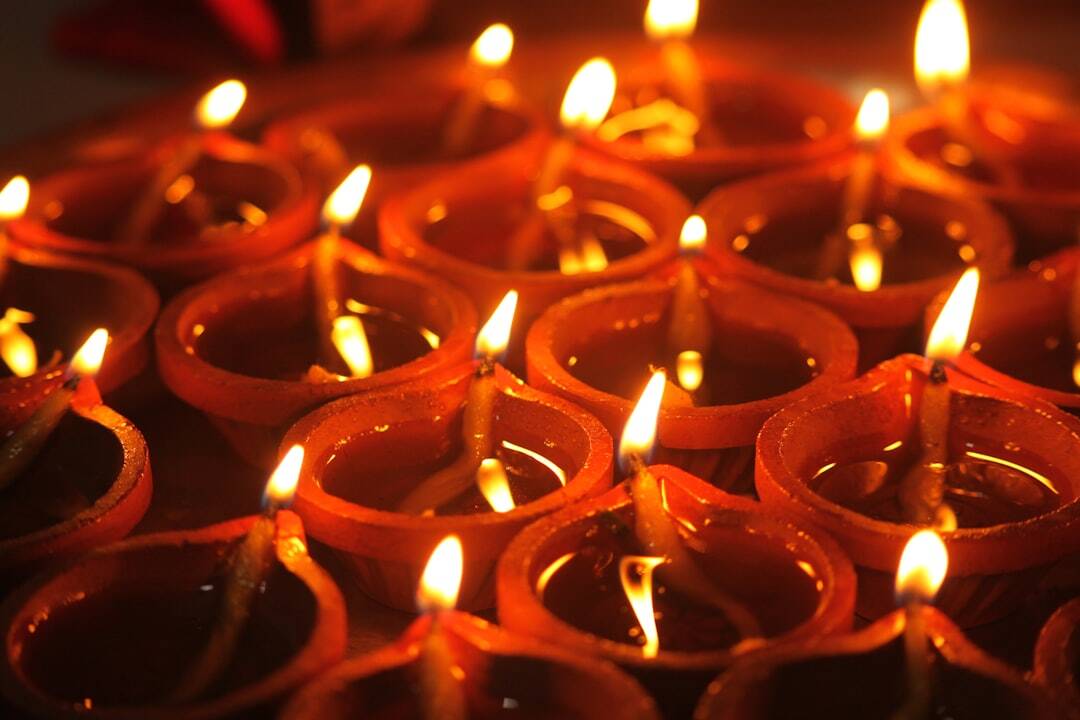
Diwali Festival of Lights
Diwali, naturally known as the Festival of Lights, is one of India’s major celebrations. Primarily Hindu, it is also observed in Jain and Sikh traditions, and s
Date pending official confirmationRelated reading
Discover places worth the detour
India
A Culinary Journey Through India: A 12-Day Food Exploration of Mumbai, Delhi, and Jaipur
Day 1
Gateway of India Mumbai
Gateway of India is a notable point of interest, offering visitors an opportunity to experience the distinctive character and appeal of this destination. Whether for its natural beauty, cultural significance, or unique atmosphere, it provides a rewarding experience as part of a broader exploration of the area.
View in Google Maps
Day 3
India Gate Delhi
India Gate Delhi is a recognizable public landmark and gathering point for sightseeing. It is useful as a route anchor, photo stop, and place to connect nearby streets, museums, restaurants, or historic quarters.
View in Google Maps
Day 5
Hawa Mahal Jaipur
View in Google Maps
Day 7
Amber Fort Jaipur
Amber Fort (Amer Fort) is the most spectacular example of Rajput military architecture, a massive hill fortress 11 km from Jaipur built of pale yellow and pink sandstone and white marble. Constructed in the late 16th century by Raja Man Singh, it features a series of beautiful courtyards, palaces, and halls decorated with intricate mirror work, frescoes, and carved marble. The approach on elephant-back along the paved pathway, or by jeep, leads to the Sheesh Mahal (Palace of Mirrors) whose millions of tiny mirrors create a spectacular effect.
View in Google Maps
Day 9
Taj Mahal Agra
The Taj Mahal is India's most iconic landmark and one of the world's greatest architectural masterpieces, a white marble mausoleum in Agra built by Mughal Emperor Shah Jahan between 1632-1653 in memory of his beloved wife Mumtaz Mahal. The perfect symmetry of its domes, minarets, and reflecting pools, set in a formal Persian garden, has made it an enduring symbol of eternal love. A UNESCO World Heritage Site, it draws over 8 million visitors annually and is one of the Seven Wonders of the Modern World.
View in Google Maps