
Japan · Easy
Classic 4-Day Pilgrimage Along the Kumano Kodo
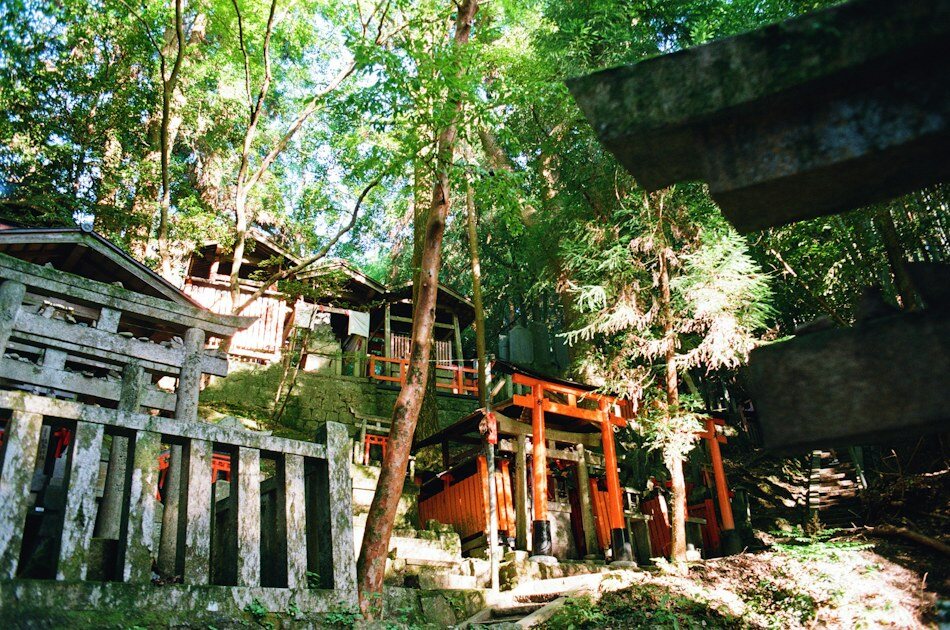
Travel along the classic Kumano Kodo pilgrimage route through the ancient cedar forests of Wakayama, Japan; follow in the footsteps of emperors and monks; visit sacred shrines; and experience traditional hot spring culture.
- Days
- 4
- Stops
- 5
- Mapped stops
- 5
- Mapped distance
- 151.5 km
Share this itinerary
Trip
Day-by-day route
Day 1
1 stopsDay 2
1 stops · 69.3 km · 1 hr 30 minDay 3
1 stops · 15.4 km · 25 minDay 4
1 stops · 48.2 km · 1 hr 0 minDay 5
1 stops · 18.5 km · 25 minMap explore
Map explore
Japan
A slower route through forest roads, onsen towns and food-focused stops across Japan.
Japan
Kansai Region: Japan's Cultural Heartland - Independent Travel Guide
A comprehensive independent travel guide to Japan's Kansai region covering Kyoto, Osaka, Nara, Kobe and more. Includes cultural insights, food recommendations,
7 days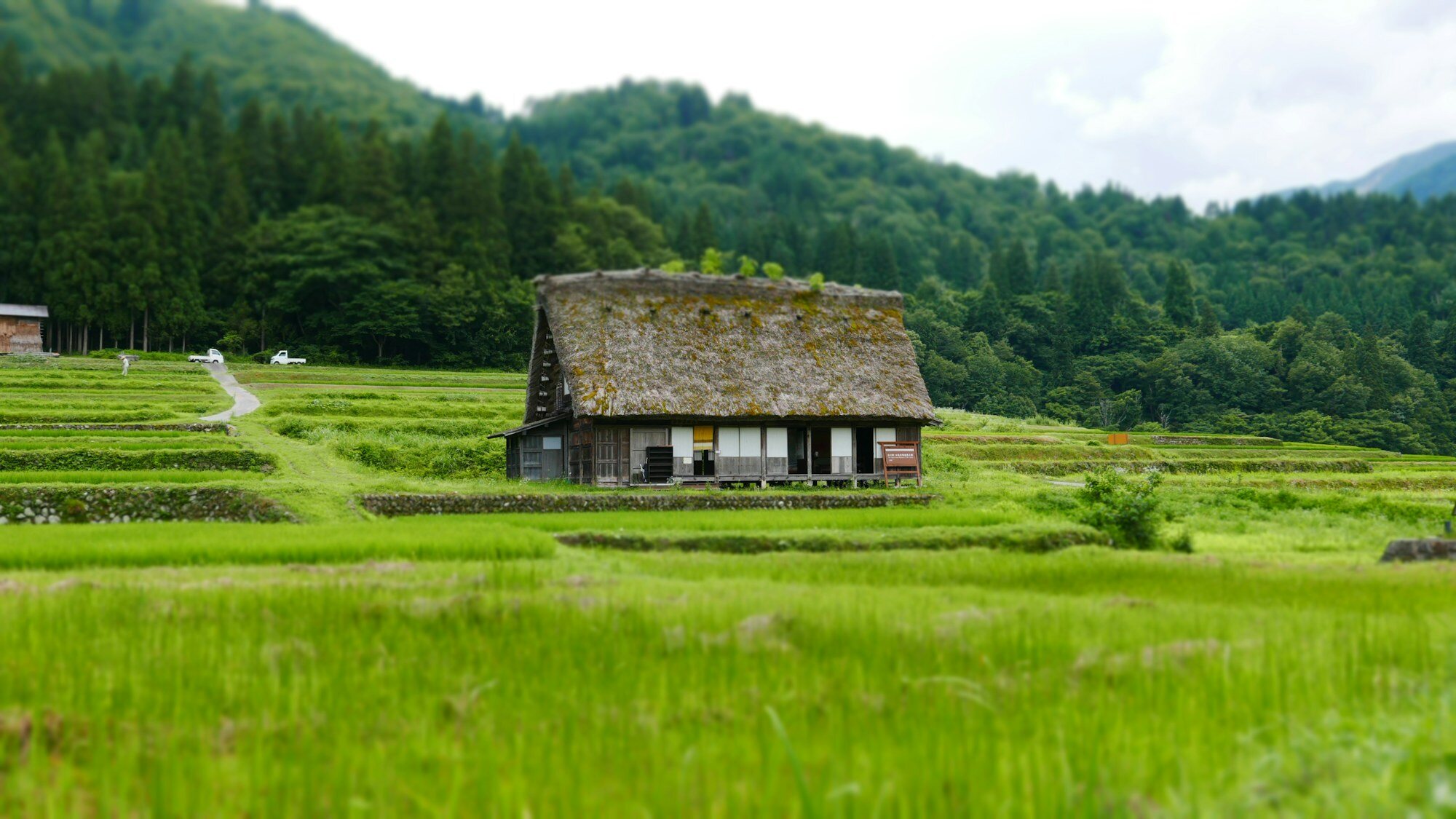
An In-Depth Tour of Rural Japan: A 14-Day Journey Through the Countryside and Hidden Villages
Venture deep into the Japanese countryside to explore traditional farming villages, hot spring towns far from the city, and hidden historical sites, and experie
14 days · Easy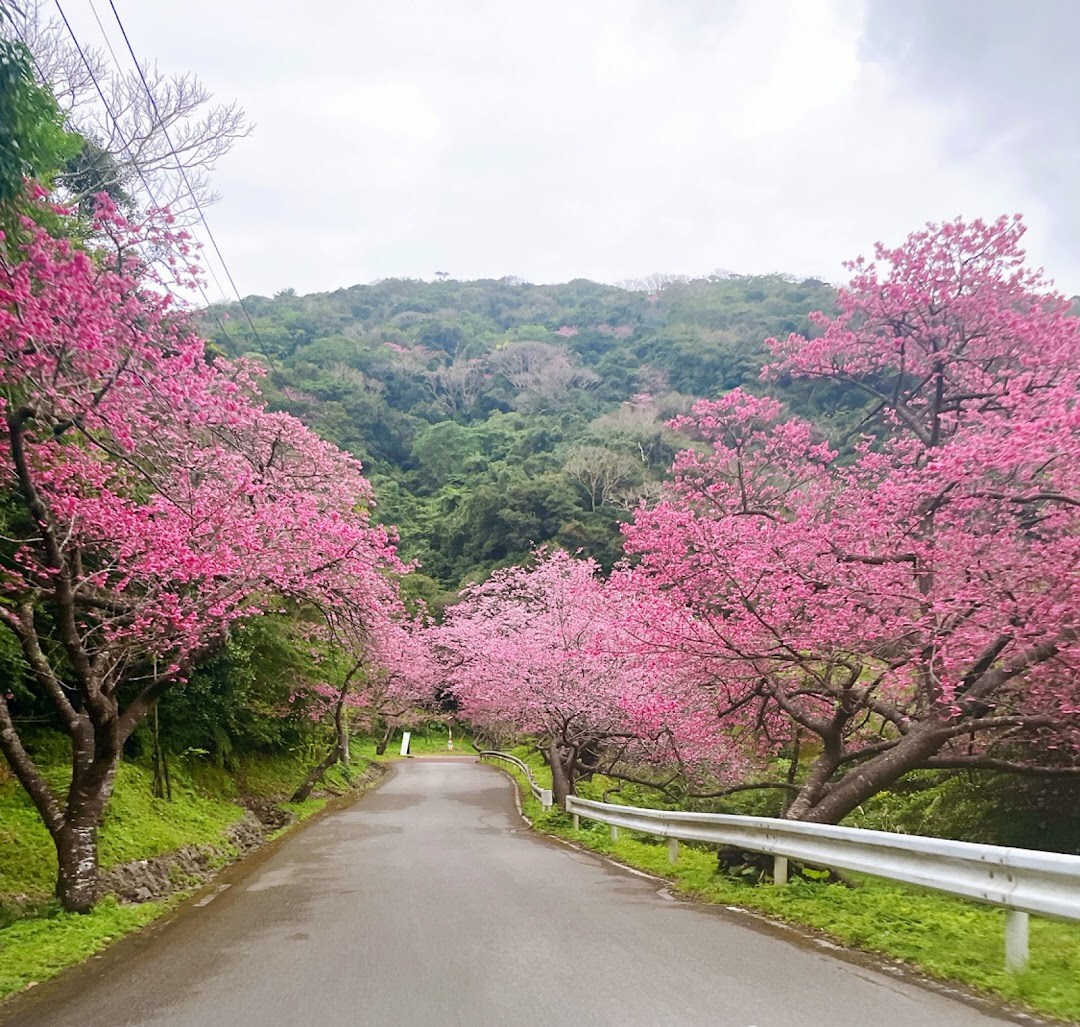
Cherry Blossom Season
Japan’s cherry blossom season is a spring tradition centered on hanami, the appreciation of flowers—especially sakura—and their fleeting beauty. Across the coun
Date pending official confirmation
10-Day Japan: Kyoto & Tokyo Solo Trip Report
Solo trip report: 10 days in Kyoto and Tokyo, Japan. Real costs, daily itinerary, best neighborhoods to explore, IC card tips, and advice for first-time solo tr
10 days
Central Japan and the Alps: 7-Day Road Trip
A seven-day central Japan route linking Matsumoto, Kamikochi, Takayama, Shirakawa-go, Kanazawa and Nagano with manageable mountain drives.
7 days · ModerateRelated reading
Discover places worth the detour
Japan
Classic 4-Day Pilgrimage Along the Kumano Kodo
Day 1
Tanabe Gateway to Kumano Kodo
Tanabe City serves as the primary gateway to the Kumano Kodo pilgrimage trails, a UNESCO World Heritage Site connecting the sacred Kumano Grand Shrines through ancient mountain paths. The city's Kumano Tourism Bureau provides an essential pilgrim's orientation center, passport stamp collection books, and baggage forwarding services that allow modern pilgrims to walk the historic routes with only a day pack. The mystical Kii Mountains fanning out from the city have been a destination for spiritual seekers since at least the 9th century.
View in Google Maps
Day 2
Chikatsuyu-oji Rest House
Chikatsuyu-oji is a rest stop along the ancient Kumano Kodo pilgrimage trail in Wakayama Prefecture, one of the handful of World Heritage-listed pilgrimage routes in the world and one of only two listed alongside the Camino de Santiago in Spain. The small settlement sits in a lush mountain valley midway along the Nakahechi Route and provides accommodations, meals, and a stamp station for pilgrims completing their journey to the Kumano Grand Shrines. The surrounding cedar-forested trails and hidden waterfalls make it a magical waypoint on this ancient spiritual path.
View in Google Maps
Day 3
Kumano Hongu Taisha Grand Shrine
Kumano Hongu Taisha is the most sacred of the three Kumano Grand Shrines and the final destination of the ancient Kumano Kodo pilgrimage trails, designated as a UNESCO World Heritage Site. Located deep in the mountainous Kumano region of Wakayama Prefecture, nearby stands Oyunohara, the largest torii gate in Japan at 33.9 meters tall, marking the site of the original shrine. For over a millennium, emperors, nobles, and common people have made the arduous mountain journey here seeking purification and the blessings of the Kumano Sanzan deities.
View in Google Maps
Day 4
Nachi Falls
Nachi Falls is Japan's tallest single-drop waterfall at 133 meters, cascading in a single magnificent plume from the mountains of the Kii Peninsula into a sacred pool below. Revered as a deity and protected within the grounds of the Kumano Nachi Taisha shrine, the falls are framed by the shrine's vermilion three-story pagoda to create one of Japan's most iconic and photographed views. As part of the Kumano Kodo UNESCO World Heritage pilgrimage network, Nachi Falls has been an object of religious worship for over 1,400 years.
View in Google Maps
Day 5
Hayatama Taisha Shrine
Hayatama Taisha is one of the three Grand Shrines of Kumano, alongside Hongu Taisha and Nachi Taisha, that form the sacred heart of the Kumano Kodo pilgrimage network. Located in Shingu at the mouth of the Kumano River, this ancient Shinto shrine was a place of worship for emperors and samurai lords for over a millennium and is closely connected to Japan's primordial creation mythology. The surrounding sacred forest and the Asuka Shrine's large camphor tree create a powerfully atmospheric setting.
View in Google Maps