
Thailand · Easy
Self-Drive Tour from Chiang Mai to Chiang Rai: A 3-Day Journey Through Northern Thailand
A classic road trip through the misty forests of northern Thailand, connecting Chiang Mai and Chiang Rai. The 180-kilometer route passes by ancient temples, tea plantations, and ethnic minority villages.
- Days
- 3
- Stops
- 7
- Mapped stops
- 7
- Mapped distance
- 717.7 km
Share this itinerary
Trip
Day-by-day route
Day 1
1 stopsDay 2
4 stops · 633.5 km · 12 hr 50 minDay 3
2 stops · 84.2 km · 2 hr 0 minMap explore
Map explore
Thailand
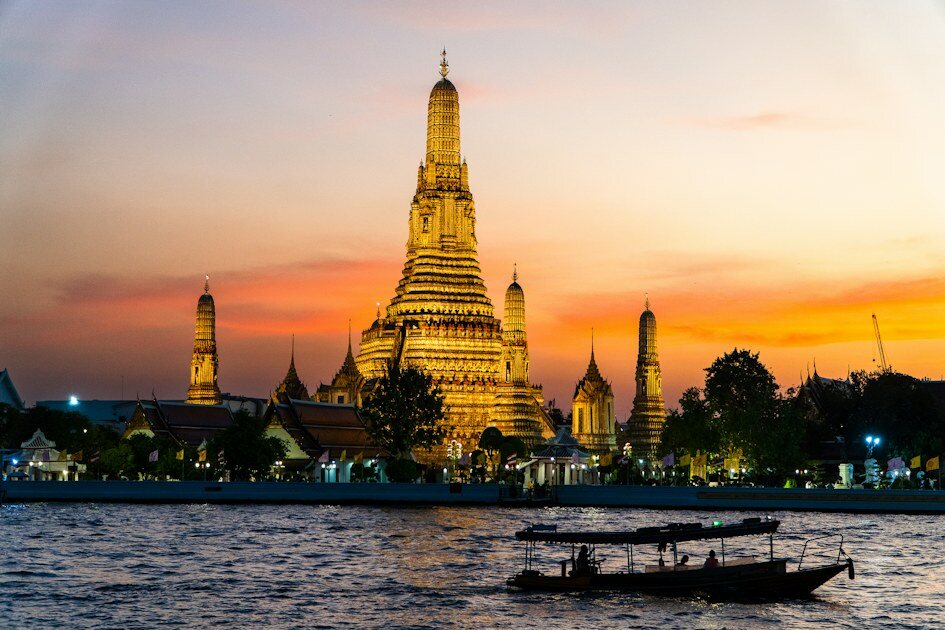
Thailand captivates visitors with its ornate golden temples, pristine tropical beaches, and legendary street food scenes. From the bustling energy of Bangkok to
Thailand
Thailand Travel Guide: Complete Guide for First-Time Visitors
Ultimate Thailand travel guide covering Bangkok, Chiang Mai, islands, culture, food, budget planning, and practical information for all travelers
7 days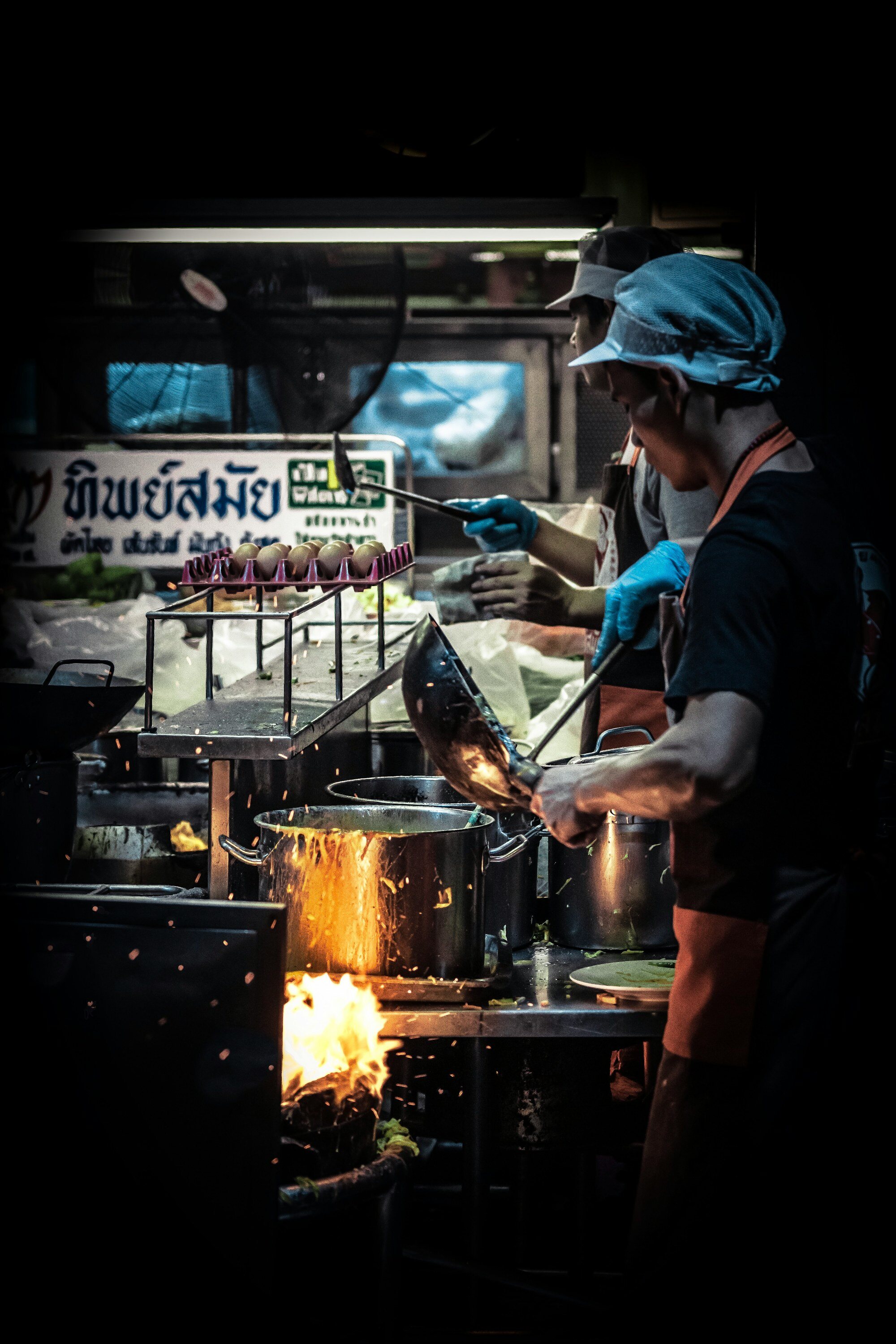
Bangkok Street Food Tour: A 3-Day Guide from a Local
A 3-Day Street Food Tour Through Bangkok’s Best Neighborhoods—Yao Hua Li Chinatown, the Old City, Silom Road, and the Chatuchak Weekend Market.
3 days · Easy
Songkran Water Festival
Songkran, Thailand’s traditional New Year, is a national holiday rooted in the Theravada Buddhist calendar and related South and Southeast Asian New Year tradit
Date pending official confirmation
Southeast Asia Travel Guide 2025: Thailand & Vietnam Itineraries
Ultimate Southeast Asia travel guide with complete itineraries for Thailand and Vietnam, budget tips, and authentic local experiences.
7 days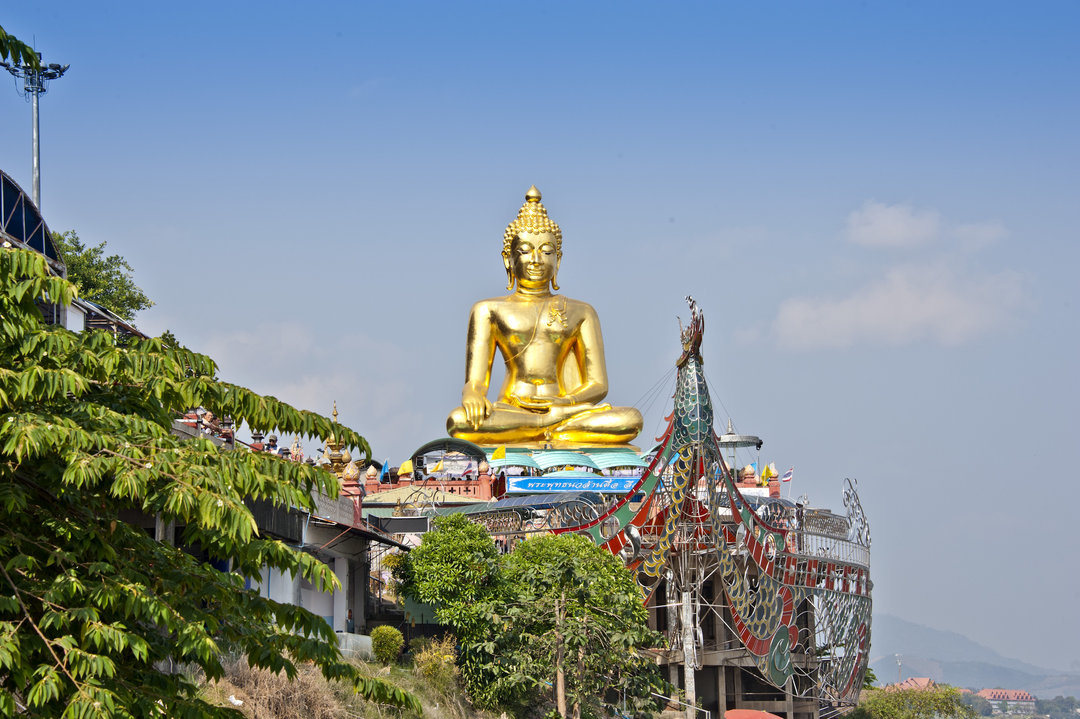
Thailand's Golden Triangle: A 5-Day Adventure Along the Chiang Rai Border
A 5-day road trip through Thailand's Golden Triangle, passing through Chiang Rai, the White Temple, the Royal Villa, the Tri-border Area, Mae Sai, and Chiang Kh
5 days · EasyRelated reading
Discover places worth the detour
Thailand
Self-Drive Tour from Chiang Mai to Chiang Rai: A 3-Day Journey Through Northern Thailand
Day 1
Chiang Dao Cave
Chiang Dao Cave is a sacred Buddhist cave complex within limestone karst mountains about 70 kilometers north of Chiang Mai, containing a series of interconnected caverns stretching over 10 kilometers into the mountain. The cave shelters numerous Buddhist statues and shrines venerated by local pilgrims, with the atmosphere of stalactites and stalagmites lit by lantern light creating a deeply mystical environment. The surrounding Chiang Dao Wildlife Sanctuary protects some of Thailand's last wild elephants, and the mountain itself draws serious trekkers and birdwatchers to its cloud forest ecosystems.
View in Google Maps
Day 2
Wat Rong Khun (White Temple)
Wat Rong Khun, universally known as the White Temple, is a contemporary Thai Buddhist temple outside Chiang Rai designed by visionary artist Chalermchai Kositpipat, who began its construction in 1997 and continues to develop it as his life's artistic vision. The entire structure is coated in white plaster studded with embedded mirror pieces that flash brilliantly in sunlight, creating an otherworldly crystalline appearance unlike any temple in the world. The satirical interior murals incorporate pop culture figures alongside traditional Buddhist imagery, while the bridge over a pool of grasping hands symbolizes the crossing from the cycle of rebirth into heaven.
View in Google MapsBaan Dam (Black House Museum)
Baan Dam, or the Black House, is the life's work of Thai National Artist Thawan Duchanee, a remarkable complex of 40 dark-toned buildings in Chiang Rai filled with the artist's collection of animal hides, bones, and horns alongside his own provocative artworks. In deliberate contrast to the nearby White Temple, the Black House explores themes of death, masculinity, and the darker aspects of Buddhist cosmology. The eccentric assemblage of traditional Lanna-style buildings set within a landscaped compound creates a profound artistic statement that has made Baan Dam one of northern Thailand's most thought-provoking cultural attractions.
View in Google MapsWat Rong Suea Ten (Blue Temple)
Wat Rong Suea Ten, known popularly as the Blue Temple, is a dazzling contemporary Buddhist temple in Chiang Rai completed in 2016 and designed with a striking electric blue and gold color scheme. The temple's name translates as 'Temple of the Dancing Tiger' from local folklore, and its interior features an enormous white Buddha image surrounded by murals that combine traditional Lanna artistic motifs with contemporary cosmic imagery. Less crowded than the White Temple while offering equally stunning artistic craftsmanship, the Blue Temple has rapidly become one of northern Thailand's most photographed architectural gems.
View in Google MapsGolden Triangle (Sop Ruak)
View in Google Maps
Day 3
Wat Tham Pla (Fish Cave Temple)
Wat Tham Pla (Fish Cave Temple) is a religious and cultural landmark with architectural, historical, or spiritual significance. It is worth visiting for its atmosphere, craftsmanship, and role in the local heritage.
View in Google MapsMae Salong (Doi Mae Salong)
Mae Salong (Doi Mae Salong) is a notable travel sight that can anchor a sightseeing route in this destination. It is useful for travelers comparing landmarks, viewpoints, local culture, and practical stops while building an itinerary. Check current opening hours, ticket rules, and access conditions before visiting.
View in Google Maps