
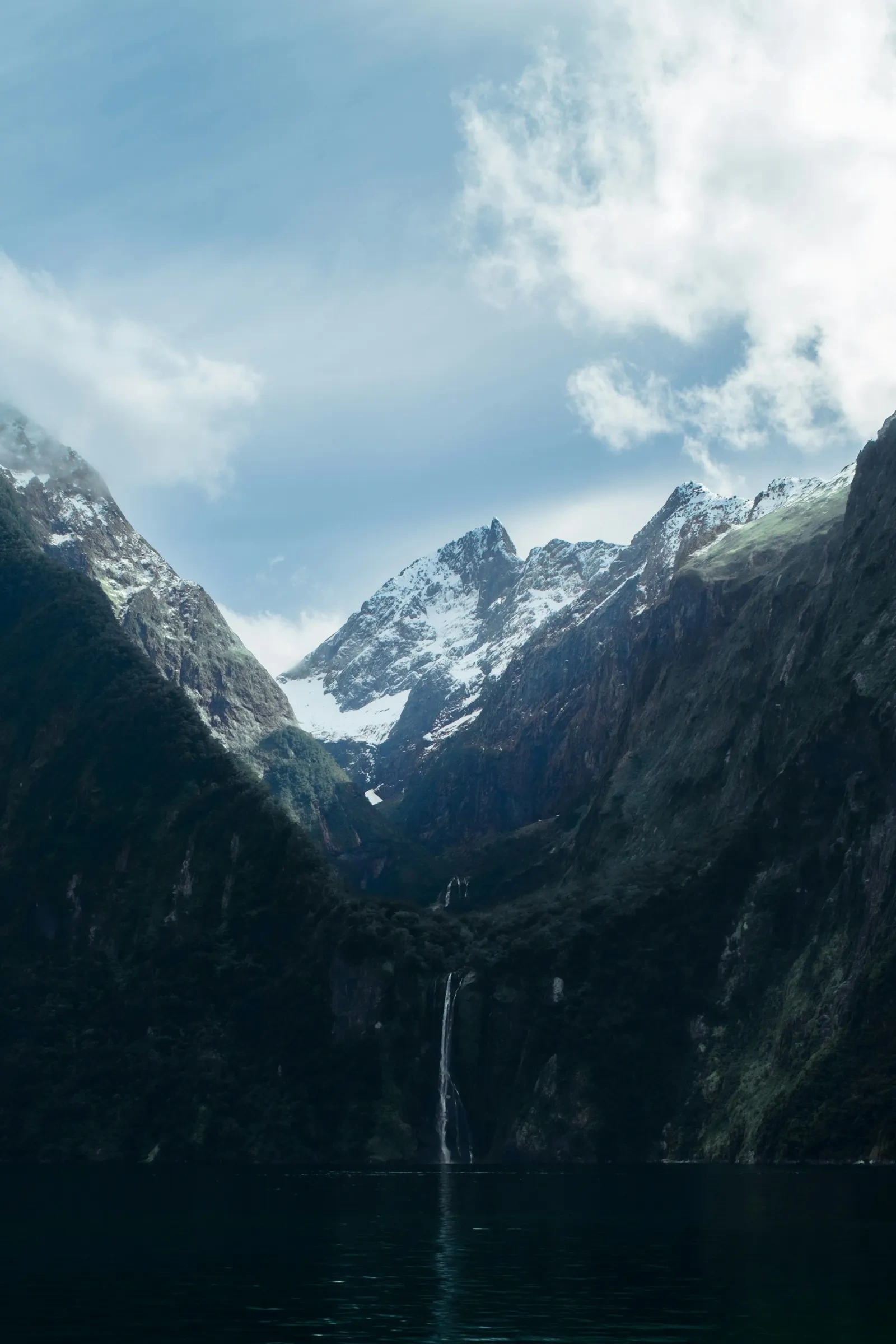
Road trip

New Zealand South Island road trip: a 17-day Christchurch loop and 14-day option

Plan a Christchurch loop through Tekapo, Aoraki/Mount Cook, Queenstown, Milford Sound, Wānaka and the West Coast, with 16 overnight stays, a shorter option and practical driving checks.

Author: Tourants editorial · Last edited:

17 daysDaysRoad tripTypical daily budget—Destination
Start planning →
New Zealand South Island road trip: a 17-day Christchurch loop and 14-day option

Plan this trip as a Christchurch-to-Christchurch loop with 17 days and 16 nights. It links the Mackenzie lakes, Aoraki/Mount Cook, Queenstown, Te Anau, Wānaka and the West Coast without adding the far north of the South Island. Reserve the middle of the trip for local stays and weather flexibility, and return to Christchurch the day before your flight.

This is an editorial sample for ordinary touring conditions, not a promise that mountain roads, tracks or activities will be open. Check your exact dates, actual accommodation addresses and daylight before committing to it. A shorter 14-day variation and northern extension are explained below.

Before booking: driving documents, entry and time zones

New Zealand drives on the left. Carry a current, valid overseas car licence for the vehicle you will drive. If it is not in English, also carry an accurate English translation or an international driving permit accepted by NZTA; the original licence is still required. An IDP is not a universal replacement for a licence. Use an accepted translation provider and confirm the documents, vehicle category, driver age and rental conditions with the supplier before paying.

Your arrival date determines how long you may drive in New Zealand using an overseas car licence. If you last arrived on or after 1 November 2026, that driving allowance is at most 12 months from that arrival. If you last arrived between 1 November 2024 and 31 October 2026 and meet the conditions, the temporary allowance remains up to 18 months from that arrival. You must stop driving earlier if the licence expires. Suspension, disqualification or conditions on a New Zealand licence may remove or limit your entitlement. The temporary extension applied to car licences; other vehicle classes have different rules.

NZTA: overseas driving documents and translation requirementsExternal site Opens an external website in a new tab

NZTA: arrival-date conditions for the temporary overseas car-licence allowanceExternal site Opens an external website in a new tab

Entry permission is separate from driving eligibility. Chinese ordinary-passport holders travelling directly from China generally need a Visitor Visa; an NZeTA is available only when an applicable eligibility arrangement is met, including qualifying travel from Australia. Transit permission alone does not authorise a holiday in New Zealand. Check passport, residence, Australian visa status and actual route with Immigration New Zealand before booking non-refundable travel.

Immigration New Zealand: NZeTA eligibility guide for Chinese citizensExternal site Opens an external website in a new tab

The South Island uses NZST, UTC+12, in standard time and NZDT, UTC+13, during daylight saving. It is therefore 4 or 5 hours ahead of Beijing, which uses UTC+8, not 12 hours ahead. Daylight saving normally begins on the last Sunday in September and ends on the first Sunday in April. Check the actual calendar dates and local times on bookings.

New Zealand Government: daylight saving datesExternal site Opens an external website in a new tab

The 17-day loop and its 16 overnight stays

The overnight column is the booking skeleton. Day 17 has no overnight stay in this plan. Transfer days need time for fuel, meals, roadworks and breaks; a short-looking line across the Southern Alps is not a direct road connection. In particular, Aoraki/Mount Cook and the West Coast glaciers are reached from opposite sides of the mountains.

DayPlanOvernight baseMain constraint
1Arrive, recover and explore central ChristchurchChristchurchAvoid a long drive after an overnight flight
2Drive to Lake Tekapo/TakapōTekapoLeave time for the transfer and supplies
3Lakefront, local walks and optional stargazingTekapoClear skies and tour availability are not guaranteed
4Follow Lake Pukaki towards Aoraki/Mount CookStay in Aoraki village; alternatively book TwizelCheck the specific walk and accommodation access
5Travel via the inland road network to QueenstownQueenstownTreat this as a transfer day
6Queenstown local activitiesQueenstownBook one major activity rather than several tight connections
7Flexible Queenstown or nearby excursion dayQueenstownKeep room for weather changes
8Drive to Te Anau and prepare for Milford RoadTe AnauConfirm road conditions and cruise check-in
9Milford Sound/Piopiotahi day tripTe AnauA substantial return drive, or use a booked coach
10Te Anau walks or weather recovery dayTe AnauA buffer does not guarantee a cancelled cruise can be rebooked
11Transfer to WānakaWānakaCheck Crown Range access and rental restrictions
12Lakefront or a suitable local walkWānakaChoose the walk for fitness and current conditions
13Cross Haast Pass towards glacier countryFox Glacier villageAvoid booking a helicopter activity for the same afternoon
14Glacier-country visit or local alternativeFox Glacier villageIce access and helicopter flights depend on conditions
15Continue north to HokitikaHokitikaGorge visits need extra driving and walking time
16Cross Arthur’s Pass to ChristchurchChristchurchSH73 weather and road restrictions can affect the return
17Return the vehicle and departNoneAllow time to refuel, return the car and check in at the airport

NZTA Journey Planner: live highway conditions and restrictionsExternal site Opens an external website in a new tab

1. Days 1–4: Christchurch, Tekapo and Aoraki/Mount Cook

Spend the first night in Christchurch rather than attempting a mountain transfer while tired. Decide whether you need the car immediately or can collect it the next morning. Photograph the vehicle at collection, check the fuel or charging arrangement and learn the controls before entering traffic.

Two nights in Tekapo allow a lakefront visit and a separate local activity without moving accommodation every morning. The Church of the Good Shepherd is a small place of worship beside the lake: respect access, services, photography notices and other visitors. Use designated parking and paths. Stargazing depends on cloud, weather, moonlight and the chosen product; a dark-sky location does not guarantee an unobstructed view.

The Church of the Good Shepherd beside Lake Tekapo; seasonal scenery in an archive photograph

Continue alongside Lake Pukaki towards Aoraki/Mount Cook for the fourth night. Book village accommodation early or use Twizel, allowing for the additional out-and-back road travel. Consult DOC for the exact walk, bridge access and weather before setting out. Do not assume that a famous named track is fully open or suitable for every group. Short valley walks and exposed alpine routes need different equipment and experience.

DOC: Aoraki/Mount Cook National Park information and alertsExternal site Opens an external website in a new tab

2. Days 5–7: Queenstown with time to stay put

Use Day 5 for the move to Queenstown. Choose accommodation by its actual location and parking arrangements; a property outside the centre can add repeated driving and parking costs. Three nights provide two full local days and space for a weather-dependent activity.

Pick one main activity each day, with enough time for its check-in and transfers. A lake cruise, a town walk or an operator-led outing can be combined with unhurried meals; consecutive high-adrenaline bookings can create fragile schedules. Check age, weight, medical and cancellation terms directly with the operator rather than assuming that every activity suits the whole family.

For a nearby excursion, choose a place such as Arrowtown and return to the same base. Check road access before following a navigation shortcut. Reserve restaurant or accommodation parking where necessary, and do not drink alcohol if you will drive. The dedicated Te Anau stay below avoids turning Milford Sound into an unnecessarily long return drive from Queenstown.

3. Days 8–10: Te Anau and a full Milford Sound day

Move to Te Anau on Day 8, fill up and confirm the next day’s plan. DOC describes the Te Anau–Milford Sound road as approximately 120 km each way. Its journey advice allows about 2.5 hours without stops, with additional time for viewing stops, weather, traffic, parking and the walk to the cruise terminal. A return drive plus a cruise is a full outing, not a brief detour.

Work backwards from your operator’s actual check-in deadline. If you do not want to handle the long return drive, book a coach-and-cruise combination from Te Anau and confirm the pickup. Check Milford Road conditions the evening before and again before departure. Carry and fit chains when required, follow any convoy or closure instructions, and obey no-stopping avalanche-zone signs. A suitable vehicle does not override a road closure.

Stirling Falls in Milford Sound/Piopiotahi; the photograph illustrates the location rather than current water or weather conditions

Keep Day 10 available for a local lakeside walk, recovery or a possible rescheduled outing. Confirm replacement availability with the operator; an extra night cannot guarantee another cruise or safe road access. The full Milford Track is a separate multi-day undertaking, commonly four days and three nights with hut and transport arrangements. It is not included as a casual stop on this road trip.

DOC: journey tips for Piopiotahi Milford SoundExternal site Opens an external website in a new tab

DOC: Milford Track, bookings and transportExternal site Opens an external website in a new tab

4. Days 11–12: Wānaka before the westward transfer

Make Day 11 the move from Te Anau to Wānaka. Check the route your navigation selects, including Crown Range conditions and any supplier restrictions for your vehicle. Allow a proper break instead of adding another major excursion on arrival.

Use the next day for the lakefront or a walk suited to the group. A mountain summit hike can require most of a day, weather judgement and more fitness than a lakeside path; inspect the current DOC track page for closures and seasonal restrictions before choosing it. Do not enter private land, cross closures or stand in the road for a photograph. Lake activities need appropriate equipment, forecasts and operator guidance even when the water looks calm.

Kayaks on the shore of Lake Wānaka with mountains across the lake

5. Days 13–14: Haast Pass and glacier country

The Wānaka–Haast Pass–Fox Glacier stage is one of the longer transfers in this plan. Check SH6 before departure and leave time for safe stopping places and food. Fuel and phone coverage are less convenient than around a city. Do not attach a non-refundable helicopter departure to an optimistic arrival estimate on the same afternoon.

Two nights in Fox Glacier village provide a local day without immediately packing again. Franz Josef is a separate village farther north; choosing one base avoids moving rooms simply to cover both names. Check the exact meeting point if you book a guided activity at either location.

A valley viewpoint walk does not mean you can walk onto the glacier. Retreating ice, flooding, rockfall and track changes affect what can be seen or reached. Stay behind barriers and follow the current DOC route; do not use an old photograph as an access map. Helicopter and guided ice activities depend on weather, operating conditions and the provider’s requirements. Keep a local walk or a rest day available if flights are cancelled.

DOC: Fox Glacier South Side Walkway/Cycleway and hazardsExternal site Opens an external website in a new tab

DOC: Franz Josef Glacier valley walk and current access warningsExternal site Opens an external website in a new tab

6. Day 15: Hokitika and an optional gorge visit

Continue north from Fox Glacier to Hokitika. Break the drive at places with safe parking rather than stopping suddenly at a scenic shoulder. If you visit Hokitika Gorge, allow for the inland road journey and the walk as a separate part of the day; it is not beside the coastal highway. Check access and remain on the marked route.

Stay in Hokitika before the crossing back to Canterbury. Punakaiki lies farther north and is not included in this overnight plan. Add time for it or replace a planned activity after checking the real distances; avoid adding an unplanned return drive late in the afternoon.

7. Days 16–17: Arthur’s Pass and the Christchurch departure buffer

Check SH73 through Arthur’s Pass and its approaches before leaving Hokitika. Snow, ice, rain, slips and roadworks can change the drive. Do not assume a different alpine pass is a quick or open detour. If a closure is forecast, revise the return earlier with accommodation and airline implications in mind.

Use safe designated stops, secure food and belongings around kea, and never feed wildlife. A roadside viewpoint and an alpine hike require very different time and weather commitments. Reach Christchurch for the final night, then return the car on Day 17. Leave time for refuelling or charging, depot opening hours, the inspection and any airport shuttle. The final city night reduces dependence on a same-day mountain crossing, but cannot eliminate disruption risk.

Make it 14 days, or add the northern South Island

For a 14-day version of the same loop, remove one Tekapo night, one Queenstown night and the Te Anau flexibility night. This gives 14 days and 13 nights, with fewer full local days and less weather recovery time. Keep the Christchurch arrival and pre-flight nights, and avoid adding new regions to compensate for the shorter stay. If this feels rushed, omit the West Coast and use an eastern return rather than reducing every stop to one night.

For Abel Tasman and Marlborough, plan a separate northern extension with additional nights, potentially through Punakaiki, the Nelson/Motueka area, Blenheim and a return via the east coast. Work out that route and accommodation before booking; it is not a free addition to Day 15 or 16. A Picton finish or ferry connection changes the trip to a one-way itinerary and requires agreement on rental return and any ferry vehicle permissions.

Seasons, costs and practical booking choices

December to February offers long daylight but busy accommodation and activity periods. Spring and autumn can work well, with changeable weather and mountain cold. Winter is generally June to August, while snow, ice and alpine closures can occur outside those months. A summer plan is not a reliable winter driving schedule. Check road forecasts and the exact walk before each exposed outing, and choose a simpler route if you lack winter-driving experience.

Build the budget from current quotes in NZD rather than a fixed per-person promise. The units matter: rooms are usually quoted per room, a rental car per vehicle and period, and many cruises or guided activities per person. Check rental pickup/return times because chargeable days need not equal hotel nights. Include insurance excess and exclusions, optional waivers, parking, fuel or charging, activity transfers and cancellation terms. Compare a campervan’s vehicle, campsite and equipment costs with a car-and-room trip; it is not automatically cheaper.

A self-contained vehicle is not permission to camp anywhere. Confirm the vehicle’s applicable certification and follow the rules for the actual council or DOC site, including bookings, fees, closures and waste disposal. Take rubbish away and use designated facilities.

DOC: freedom camping rules and place-specific restrictionsExternal site Opens an external website in a new tab

Declare relevant food, plants and outdoor equipment on arrival, and clean soil from footwear and gear before travel. Keep emergency and rental-assistance numbers available offline; dial 111 for emergency services. Download maps, but use official live road information for restrictions. Travel insurance and the rental company’s cover address different risks: check both policies against the activities you actually book.

Ministry for Primary Industries: bringing items into New ZealandExternal site Opens an external website in a new tab

This route was independently planned by Tourants editorial. Nights and daily activities are planning suggestions; document rules, access checks and practical restrictions are linked to the relevant public authorities. Recheck those sources for your departure date. Photographs illustrate the named locations and do not establish current weather, track access or operating status.

New Zealand South Island road trip: a 17-day Christchurch loop and 14-day option
tourants.

Road trip

New Zealand South Island road trip: a 17-day Christchurch loop and 14-day option

Plan a Christchurch loop through Tekapo, Aoraki/Mount Cook, Queenstown, Milford Sound, Wānaka and the West Coast, with 16 overnight stays, a shorter option and practical driving checks.
Days
17 days
Typical daily budget
Road trip
Destination
—

Author: Tourants editorial · Last edited: Nov 9, 2026

Plan this trip as a Christchurch-to-Christchurch loop with 17 days and 16 nights. It links the Mackenzie lakes, Aoraki/Mount Cook, Queenstown, Te Anau, Wānaka and the West Coast without adding the far north of the South Island. Reserve the middle of the trip for local stays and weather flexibility, and return to Christchurch the day before your flight.

This is an editorial sample for ordinary touring conditions, not a promise that mountain roads, tracks or activities will be open. Check your exact dates, actual accommodation addresses and daylight before committing to it. A shorter 14-day variation and northern extension are explained below.

Before booking: driving documents, entry and time zones

New Zealand drives on the left. Carry a current, valid overseas car licence for the vehicle you will drive. If it is not in English, also carry an accurate English translation or an international driving permit accepted by NZTA; the original licence is still required. An IDP is not a universal replacement for a licence. Use an accepted translation provider and confirm the documents, vehicle category, driver age and rental conditions with the supplier before paying.

Your arrival date determines how long you may drive in New Zealand using an overseas car licence. If you last arrived on or after 1 November 2026, that driving allowance is at most 12 months from that arrival. If you last arrived between 1 November 2024 and 31 October 2026 and meet the conditions, the temporary allowance remains up to 18 months from that arrival. You must stop driving earlier if the licence expires. Suspension, disqualification or conditions on a New Zealand licence may remove or limit your entitlement. The temporary extension applied to car licences; other vehicle classes have different rules.

NZTA: overseas driving documents and translation requirementsExternal site Opens an external website in a new tab

NZTA: arrival-date conditions for the temporary overseas car-licence allowanceExternal site Opens an external website in a new tab

Entry permission is separate from driving eligibility. Chinese ordinary-passport holders travelling directly from China generally need a Visitor Visa; an NZeTA is available only when an applicable eligibility arrangement is met, including qualifying travel from Australia. Transit permission alone does not authorise a holiday in New Zealand. Check passport, residence, Australian visa status and actual route with Immigration New Zealand before booking non-refundable travel.

Immigration New Zealand: NZeTA eligibility guide for Chinese citizensExternal site Opens an external website in a new tab

The South Island uses NZST, UTC+12, in standard time and NZDT, UTC+13, during daylight saving. It is therefore 4 or 5 hours ahead of Beijing, which uses UTC+8, not 12 hours ahead. Daylight saving normally begins on the last Sunday in September and ends on the first Sunday in April. Check the actual calendar dates and local times on bookings.

New Zealand Government: daylight saving datesExternal site Opens an external website in a new tab

The 17-day loop and its 16 overnight stays

The overnight column is the booking skeleton. Day 17 has no overnight stay in this plan. Transfer days need time for fuel, meals, roadworks and breaks; a short-looking line across the Southern Alps is not a direct road connection. In particular, Aoraki/Mount Cook and the West Coast glaciers are reached from opposite sides of the mountains.

DayPlanOvernight baseMain constraint
1Arrive, recover and explore central ChristchurchChristchurchAvoid a long drive after an overnight flight
2Drive to Lake Tekapo/TakapōTekapoLeave time for the transfer and supplies
3Lakefront, local walks and optional stargazingTekapoClear skies and tour availability are not guaranteed
4Follow Lake Pukaki towards Aoraki/Mount CookStay in Aoraki village; alternatively book TwizelCheck the specific walk and accommodation access
5Travel via the inland road network to QueenstownQueenstownTreat this as a transfer day
6Queenstown local activitiesQueenstownBook one major activity rather than several tight connections
7Flexible Queenstown or nearby excursion dayQueenstownKeep room for weather changes
8Drive to Te Anau and prepare for Milford RoadTe AnauConfirm road conditions and cruise check-in
9Milford Sound/Piopiotahi day tripTe AnauA substantial return drive, or use a booked coach
10Te Anau walks or weather recovery dayTe AnauA buffer does not guarantee a cancelled cruise can be rebooked
11Transfer to WānakaWānakaCheck Crown Range access and rental restrictions
12Lakefront or a suitable local walkWānakaChoose the walk for fitness and current conditions
13Cross Haast Pass towards glacier countryFox Glacier villageAvoid booking a helicopter activity for the same afternoon
14Glacier-country visit or local alternativeFox Glacier villageIce access and helicopter flights depend on conditions
15Continue north to HokitikaHokitikaGorge visits need extra driving and walking time
16Cross Arthur’s Pass to ChristchurchChristchurchSH73 weather and road restrictions can affect the return
17Return the vehicle and departNoneAllow time to refuel, return the car and check in at the airport

NZTA Journey Planner: live highway conditions and restrictionsExternal site Opens an external website in a new tab

1. Days 1–4: Christchurch, Tekapo and Aoraki/Mount Cook

Spend the first night in Christchurch rather than attempting a mountain transfer while tired. Decide whether you need the car immediately or can collect it the next morning. Photograph the vehicle at collection, check the fuel or charging arrangement and learn the controls before entering traffic.

Two nights in Tekapo allow a lakefront visit and a separate local activity without moving accommodation every morning. The Church of the Good Shepherd is a small place of worship beside the lake: respect access, services, photography notices and other visitors. Use designated parking and paths. Stargazing depends on cloud, weather, moonlight and the chosen product; a dark-sky location does not guarantee an unobstructed view.

The Church of the Good Shepherd beside Lake Tekapo; seasonal scenery in an archive photograph

Continue alongside Lake Pukaki towards Aoraki/Mount Cook for the fourth night. Book village accommodation early or use Twizel, allowing for the additional out-and-back road travel. Consult DOC for the exact walk, bridge access and weather before setting out. Do not assume that a famous named track is fully open or suitable for every group. Short valley walks and exposed alpine routes need different equipment and experience.

DOC: Aoraki/Mount Cook National Park information and alertsExternal site Opens an external website in a new tab

2. Days 5–7: Queenstown with time to stay put

Use Day 5 for the move to Queenstown. Choose accommodation by its actual location and parking arrangements; a property outside the centre can add repeated driving and parking costs. Three nights provide two full local days and space for a weather-dependent activity.

Pick one main activity each day, with enough time for its check-in and transfers. A lake cruise, a town walk or an operator-led outing can be combined with unhurried meals; consecutive high-adrenaline bookings can create fragile schedules. Check age, weight, medical and cancellation terms directly with the operator rather than assuming that every activity suits the whole family.

For a nearby excursion, choose a place such as Arrowtown and return to the same base. Check road access before following a navigation shortcut. Reserve restaurant or accommodation parking where necessary, and do not drink alcohol if you will drive. The dedicated Te Anau stay below avoids turning Milford Sound into an unnecessarily long return drive from Queenstown.

3. Days 8–10: Te Anau and a full Milford Sound day

Move to Te Anau on Day 8, fill up and confirm the next day’s plan. DOC describes the Te Anau–Milford Sound road as approximately 120 km each way. Its journey advice allows about 2.5 hours without stops, with additional time for viewing stops, weather, traffic, parking and the walk to the cruise terminal. A return drive plus a cruise is a full outing, not a brief detour.

Work backwards from your operator’s actual check-in deadline. If you do not want to handle the long return drive, book a coach-and-cruise combination from Te Anau and confirm the pickup. Check Milford Road conditions the evening before and again before departure. Carry and fit chains when required, follow any convoy or closure instructions, and obey no-stopping avalanche-zone signs. A suitable vehicle does not override a road closure.

Stirling Falls in Milford Sound/Piopiotahi; the photograph illustrates the location rather than current water or weather conditions

Keep Day 10 available for a local lakeside walk, recovery or a possible rescheduled outing. Confirm replacement availability with the operator; an extra night cannot guarantee another cruise or safe road access. The full Milford Track is a separate multi-day undertaking, commonly four days and three nights with hut and transport arrangements. It is not included as a casual stop on this road trip.

DOC: journey tips for Piopiotahi Milford SoundExternal site Opens an external website in a new tab

DOC: Milford Track, bookings and transportExternal site Opens an external website in a new tab

4. Days 11–12: Wānaka before the westward transfer

Make Day 11 the move from Te Anau to Wānaka. Check the route your navigation selects, including Crown Range conditions and any supplier restrictions for your vehicle. Allow a proper break instead of adding another major excursion on arrival.

Use the next day for the lakefront or a walk suited to the group. A mountain summit hike can require most of a day, weather judgement and more fitness than a lakeside path; inspect the current DOC track page for closures and seasonal restrictions before choosing it. Do not enter private land, cross closures or stand in the road for a photograph. Lake activities need appropriate equipment, forecasts and operator guidance even when the water looks calm.

Kayaks on the shore of Lake Wānaka with mountains across the lake

5. Days 13–14: Haast Pass and glacier country

The Wānaka–Haast Pass–Fox Glacier stage is one of the longer transfers in this plan. Check SH6 before departure and leave time for safe stopping places and food. Fuel and phone coverage are less convenient than around a city. Do not attach a non-refundable helicopter departure to an optimistic arrival estimate on the same afternoon.

Two nights in Fox Glacier village provide a local day without immediately packing again. Franz Josef is a separate village farther north; choosing one base avoids moving rooms simply to cover both names. Check the exact meeting point if you book a guided activity at either location.

A valley viewpoint walk does not mean you can walk onto the glacier. Retreating ice, flooding, rockfall and track changes affect what can be seen or reached. Stay behind barriers and follow the current DOC route; do not use an old photograph as an access map. Helicopter and guided ice activities depend on weather, operating conditions and the provider’s requirements. Keep a local walk or a rest day available if flights are cancelled.

DOC: Fox Glacier South Side Walkway/Cycleway and hazardsExternal site Opens an external website in a new tab

DOC: Franz Josef Glacier valley walk and current access warningsExternal site Opens an external website in a new tab

6. Day 15: Hokitika and an optional gorge visit

Continue north from Fox Glacier to Hokitika. Break the drive at places with safe parking rather than stopping suddenly at a scenic shoulder. If you visit Hokitika Gorge, allow for the inland road journey and the walk as a separate part of the day; it is not beside the coastal highway. Check access and remain on the marked route.

Stay in Hokitika before the crossing back to Canterbury. Punakaiki lies farther north and is not included in this overnight plan. Add time for it or replace a planned activity after checking the real distances; avoid adding an unplanned return drive late in the afternoon.

7. Days 16–17: Arthur’s Pass and the Christchurch departure buffer

Check SH73 through Arthur’s Pass and its approaches before leaving Hokitika. Snow, ice, rain, slips and roadworks can change the drive. Do not assume a different alpine pass is a quick or open detour. If a closure is forecast, revise the return earlier with accommodation and airline implications in mind.

Use safe designated stops, secure food and belongings around kea, and never feed wildlife. A roadside viewpoint and an alpine hike require very different time and weather commitments. Reach Christchurch for the final night, then return the car on Day 17. Leave time for refuelling or charging, depot opening hours, the inspection and any airport shuttle. The final city night reduces dependence on a same-day mountain crossing, but cannot eliminate disruption risk.

Make it 14 days, or add the northern South Island

For a 14-day version of the same loop, remove one Tekapo night, one Queenstown night and the Te Anau flexibility night. This gives 14 days and 13 nights, with fewer full local days and less weather recovery time. Keep the Christchurch arrival and pre-flight nights, and avoid adding new regions to compensate for the shorter stay. If this feels rushed, omit the West Coast and use an eastern return rather than reducing every stop to one night.

For Abel Tasman and Marlborough, plan a separate northern extension with additional nights, potentially through Punakaiki, the Nelson/Motueka area, Blenheim and a return via the east coast. Work out that route and accommodation before booking; it is not a free addition to Day 15 or 16. A Picton finish or ferry connection changes the trip to a one-way itinerary and requires agreement on rental return and any ferry vehicle permissions.

Seasons, costs and practical booking choices

December to February offers long daylight but busy accommodation and activity periods. Spring and autumn can work well, with changeable weather and mountain cold. Winter is generally June to August, while snow, ice and alpine closures can occur outside those months. A summer plan is not a reliable winter driving schedule. Check road forecasts and the exact walk before each exposed outing, and choose a simpler route if you lack winter-driving experience.

Build the budget from current quotes in NZD rather than a fixed per-person promise. The units matter: rooms are usually quoted per room, a rental car per vehicle and period, and many cruises or guided activities per person. Check rental pickup/return times because chargeable days need not equal hotel nights. Include insurance excess and exclusions, optional waivers, parking, fuel or charging, activity transfers and cancellation terms. Compare a campervan’s vehicle, campsite and equipment costs with a car-and-room trip; it is not automatically cheaper.

A self-contained vehicle is not permission to camp anywhere. Confirm the vehicle’s applicable certification and follow the rules for the actual council or DOC site, including bookings, fees, closures and waste disposal. Take rubbish away and use designated facilities.

DOC: freedom camping rules and place-specific restrictionsExternal site Opens an external website in a new tab

Declare relevant food, plants and outdoor equipment on arrival, and clean soil from footwear and gear before travel. Keep emergency and rental-assistance numbers available offline; dial 111 for emergency services. Download maps, but use official live road information for restrictions. Travel insurance and the rental company’s cover address different risks: check both policies against the activities you actually book.

Ministry for Primary Industries: bringing items into New ZealandExternal site Opens an external website in a new tab

This route was independently planned by Tourants editorial. Nights and daily activities are planning suggestions; document rules, access checks and practical restrictions are linked to the relevant public authorities. Recheck those sources for your departure date. Photographs illustrate the named locations and do not establish current weather, track access or operating status.

Related reading

Discover places worth the detour