
Trip

"Lonely Planet" Best Trips 2026: What to Do at 25 Destinations, How Long to Stay, and How to Choose

A comprehensive compilation of Lonely Planet’s 25 Destinations for 2026, organized by continent, detailing key highlights, recommended length of stay, transportation, and booking restrictions, with actual photos included for each location.

Author: Tourants editorial · Last edited:

mid-rangeTypical daily budget—Destination
Start planning →
"Lonely Planet" Best Trips 2026: What to Do at 25 Destinations, How Long to Stay, and How to Choose

Lonely Planet’s “Best in Travel 2026” lists 25 destinations and 25 travel experiences. This article focuses solely on the list of destinations; it does not include the list of experiences, nor does it rank the destinations. The list is sourced from official materials; the suggested activities, length of stay, and itinerary choices below are recommendations from the Tourants editorial team and do not constitute official Lonely Planet itineraries.

These destinations vary in scale—ranging from countries, provinces, and islands to national parks, cities, and even a single neighborhood—so it’s not appropriate to apply a one-size-fits-all standard of “how many days it takes to see everything.”First, consider how much time you have and how you’d like to travel, then select a single destination or a regional itinerary from the list. All suggested durations are based primarily on time spent at the destination and do not automatically include international flights; specific ticket prices, schedules, opening hours, and booking requirements are subject to official announcements on your travel dates.

Africa

Botswana: Set Aside Time for Chobe and the Okavango

Botswana’s Chobe Region: Elephants wading through water

To see wildlife, start by selecting specific ecological regions rather than treating the entire country as a single safari destination. The Chobe Riverbank, with Kasane as its gateway, is ideal for combining land-based game viewing with river activities; the Okavango Delta is typically accessed via Maun to connect to camps, with the focus of the experience varying depending on camp location and water conditions.

How to Plan: Recommended duration: 7–9 days. Spend about 3 days in the Chobe region, then choose a camp in the Okavango Delta for 3–4 days, reserving the remainder for travel between locations. First-time visitors should prioritize guided tours that include transportation; compare activity offerings first, then room options.

Before You Go: Not all camps offer canoeing year-round. Botswana’s winter is typically dry, with cooler mornings and evenings; if you’re on a short vacation or prefer a low-cost, flexible itinerary, it’s best not to try to cover both regions in a single trip.

Official Practical InformationExternal site Opens an external website in a new tab

Tunisia: Walking from the Old City to Carthage and the Blue-and-White Towns

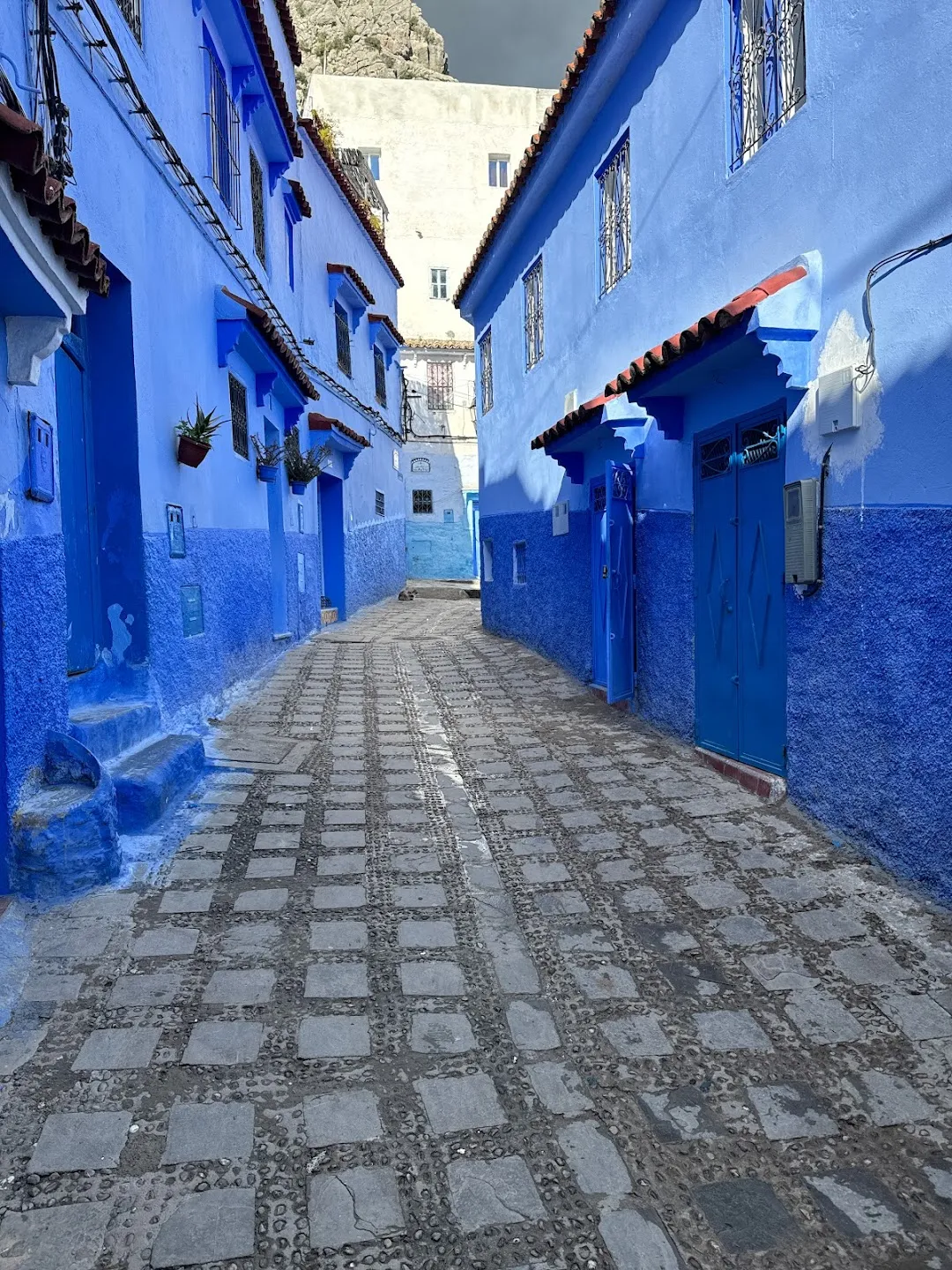
Sidi Bou Sayda, Tunisia: White Walls and Blue Doors and Windows

For first-time visitors, base yourself in Tunis: explore the alleys and markets in the Old City, visit the ancient ruins scattered throughout the modern city in Carthage, and then head to Sidi Bou Sayed to stroll up the slopes and admire the blue-and-white houses and ocean views. This approach allows you to experience the destination more thoroughly than cramming the coast, the desert, and the capital into a single, rushed itinerary.

How to Plan: For a 3–4-day trip focusing solely on the area around the capital, spend one day in the Old City, one day in Carthage and Sidi Bou Sayed, and set aside half a day for museums or leisurely exploration. Keep in mind that while sites may appear adjacent on a map, they require travel time between them—a one-hour visit isn’t guaranteed.

Before You Go: If you want to include the Sahara Desert, be sure to set aside extra time for cross-regional travel and accommodations. The TGM is one transportation option along this coastal corridor, but actual schedules and services should be verified based on your travel dates; note that Sidi Bou Sayda features slopes and cobblestone paths.

Official Practical InformationExternal site Opens an external website in a new tab

Réunion: Volcanoes and Cirques—Plan Your Trip Around the Hiking Trails

Réunion: The Landforms of Mount Furnace

This French island in the Indian Ocean is best explored by focusing on the mountains rather than simply staying at a beach hotel. The Piton de la Fournaise offers a volcanic landscape experience; the Cirque de Siro is ideal for a longer stay, allowing you to choose mountain trails of varying lengths each day.

How to Plan: We recommend 8–10 days, with at least a few nights each in Cilao and around the volcano, interspersed with rest days. First, determine your routes, accommodations, and arrival times; then decide whether you need to rent a car to travel between locations. Don’t estimate mountain distances based solely on map measurements.

Before You Go: Volcanic activity restrictions, trail openings, and weather are three things that must be confirmed separately. Check the ONF trail announcements before embarking on long hikes, and adjust your plans during rainstorms or cyclone alerts; secure mountain accommodations and meals in advance.

Official ResourcesExternal site Opens an external website in a new tab

The Americas

Peru: Book Machu Picchu First, Then Plan Cusco and the Sacred Valley

Machu Picchu, Peru: Inca Ruins in the Andes

Reducing Peru to a single photo of Machu Picchu means missing out on the richness of Cusco and the Sacred Valley. A more practical first-time itinerary combines Cusco, the Sacred Valley, and the town of Machu Picchu into a single journey, allowing time beyond the ruins to explore cities, villages, and valleys.

How to Plan: We recommend 6–8 days to complete this classic itinerary, not including international flights or travel to other regions of Peru. First, check available tours, dates, and entry time slots for Machu Picchu, then coordinate train schedules, transfers, and accommodations; do not book all your hotels before securing your tickets.

Before Departure: Different tour itineraries cover different areas; a single ticket does not grant unrestricted access to the entire site. Cusco is at a high altitude; plan light activities for your arrival day. Even with ample time, acclimatization isn’t guaranteed for everyone, so avoid scheduling strenuous hikes immediately after landing.

Official Practical InformationExternal site Opens an external website in a new tab

São Paulo’s Liberdade District: Spend a Day Exploring One Neighborhood

São Paulo: Street Scenes of the Liberdade District

This selection focuses on São Paulo’s Liberdade neighborhood, not Brazil as a whole. The area features shops, cuisine, and neighborhood landmarks brought by Japanese immigrants, as well as an even earlier history of the Black community; simply taking photos of lanterns or having a Japanese meal would oversimplify the local story.

How to Plan: We recommend setting aside a full day during your stay in São Paulo: arrive by subway, explore the neighborhood on foot, enjoy a meal, and then visit sites related to immigrant or Black history. The surrounding alleys and mealtimes are worth leaving room for exploration—more so than rushing from one city landmark to the next.

Before You Go: This is a living, thriving urban community, not a closed-off theme park. Check individually for the opening hours of specific museums and churches; if you only have half a day, narrow down your walking route—there’s no need to spend the entire time chasing Instagram-famous spots.

Official ResourcesExternal site Opens an external website in a new tab

Theodore Roosevelt National Park, USA: Exploring Badlands and Wildlife in North Dakota

North Dakota, USA: Badland Landforms in the South Area of Theodore Roosevelt National Park

It is located in North Dakota—not Badlands National Park in South Dakota. For your first visit, start with the South Area near Medora. Use the scenic overlooks and short trails to view the layered eroded landscapes, and set aside time to observe wildlife, such as bison, that may appear along the way.

How to Plan: We recommend spending 2–3 days focusing on the South Area: one day driving along open roads and stopping to take in the views, and another day selecting trails or making the most of a weather window. If you only have two days, there’s no need to force a visit to all the distant sections of the park.

Before You Go: Roads may be temporarily closed due to weather or management decisions; check NPS announcements before departing, and do not assume that the entire loop will always be accessible. Do not approach, surround, or block animals to take photos; stay within the park’s distance regulations and follow on-site instructions.

Official ResourcesExternal site Opens an external website in a new tab

Barbados: Separate Coastal Sightseeing from Water Activities

Barbados’ East Coast: Bathsheba’s Coastal Boulders

Coastal experiences on the same island can vary greatly. Bathsheba on the east coast is ideal for viewing giant boulders, waves, and surfing; if you’re looking to focus on swimming and relaxation, compare accommodations on the more sheltered west coast first, then decide whether to rent a car or hire a private vehicle to visit the east coast.

How to Plan: We recommend 5–7 days, using one base of accommodation as your home base. Spend half a day to a full day exploring the East Coast, and reserve the rest of your time for relaxing by the sea and enjoying local cuisine. A vacation doesn’t require changing beaches every day, nor does it necessitate frequent hotel changes just to circle the island.

Before You Go: The East Coast faces the Atlantic Ocean, so a picturesque view does not necessarily mean the water is suitable for swimming. Plan your visit to Bathsheba as a shore excursion; before entering the water at any beach, always check the day’s sea conditions, warnings, and local recommendations.

Official Practical InformationExternal site Opens an external website in a new tab

Maine, USA: The Lighthouse Coast and Acadia—Two Separate Stops

Cape Elizabeth, Maine, USA: Portland Head Light

The Portland area is ideal for urban dining and lighthouses, while Acadia National Park requires setting aside separate time for its mountain and coastal trails. The Portland Head Light pictured is located in Fort Williams Park at Elizabeth Point; it is not part of Acadia, nor is it in downtown Portland.

How to Plan: Recommended 6–7 days: Spend about 2 days in Portland and the surrounding area, then 3–4 days in Acadia, allowing time for travel between destinations. For a more relaxed trip, you can focus on just one section; don’t make every town along the coastal highway a mandatory stop.

Before You Go: Park admission to Acadia is separate from vehicle reservations for Cadillac Summit Road during specific seasons. Some roads and facilities are seasonally closed in winter; just because the exterior of a lighthouse is visible doesn’t mean the interior is open daily.

Official ResourcesExternal site Opens an external website in a new tab

Mexico City: Spend one day each at museums, neighborhoods, and archaeological sites

Mexico City: Night view of the Palace of Fine Arts

It’s better to use the city as a base and explore at a leisurely pace. Visit the Palacio de las Artes and surrounding architecture in the Historic Center; spend time in Chapultepec Park and select museums; and experience Teotihuacán—a different scale of exploration just outside the city. Don’t try to cram all of these into a single “check-off” day.

How to Plan: We recommend 5–6 days: one day in the Historic Center to visit one or two museums of your choice, another full day for a round trip to Teotihuacán, and additional time to explore different neighborhoods and enjoy local cuisine. When choosing accommodations, prioritize convenience for daily travel rather than just a central location on the map.

Before You Go: Teotihuacán is located in the State of Mexico, so don’t treat it as a short trip within the city. The ruins are exposed, so bring sun protection and walking gear; museums have their own reservation and opening schedules, so check each one individually before deciding on your itinerary.

Official Practical InformationExternal site Opens an external website in a new tab

Quetzaltenango, Guatemala: A Highlands City, More Than Just a Volcano Starting Point

Around Quetzaltenango, Guatemala: The Volcanic Landscape of San Jacinto

Locals often call it Xela. Rather than rushing off to the next volcano, take time to stroll through the city’s plazas and observe daily life before heading to the hot springs around Sunil or planning mountain activities—this will help you better experience the rhythm of the Guatemalan highlands.

How to Plan: Recommended 4–5 days: Spend the first day leisurely exploring the city; make a separate trip to the Fuentes Georginas hot springs. If you wish to hike the volcano, set aside a full day and consult a reliable local guide. Panoramic photos of San Santiago do not imply that you can approach the active crater.

Before You Go: The city itself is already at a high altitude, so the difficulty of the hike shouldn’t be judged solely by the length of the trail. Volcanic activity, weather, and road conditions may all alter your route; if you don’t plan to hike, you can still make this a leisurely stop focused on the city and the hot springs.

Official Practical InformationExternal site Opens an external website in a new tab

Cartagena, Colombia: Get a Feel for the Old Town’s Pace Before Deciding to Go Out to Sea

Cartagena, Colombia: Colorful Streets and Alleys Within the Walled City

The colorful streets, city walls, and squares within the walled city are perfect for walking, while Getsemaní offers a completely different neighborhood vibe. Both are worth exploring at different times of the day; don’t treat Cartagena merely as a port of call on your way to the Caribbean islands.

How to Plan: Recommended 4–5 days: Set aside at least two unhurried periods for the Walled City and Getsemaní, then decide whether to spend a full day visiting the Rosario Islands. Schedule the island trip separately from your city walks; during the hottest parts of the day, shift your walking to cooler times.

Before You Go: The Rosario Islands require a separate boat trip; don’t let the city’s waterfront views replace your island travel plans. Confirm round-trip tickets, boarding locations, and what you’ll actually do there in advance; if you’re on a short vacation and don’t want to be tied to boat schedules, focusing on the Old City is also a valid option.

Official Practical InformationExternal site Opens an external website in a new tab

British Columbia, Canada: Vancouver, the Islands, or the Mountains—Decide on Your Priorities First

Vancouver, British Columbia, Canada: Along the Stanley Park Waterfront Trail

This province is much larger than just one city. For a first-time visit, use Vancouver as a starting point. Beyond Stanley Park and the city streets, choose to extend your trip to either Victoria or Whistler; for a longer itinerary, combine all three destinations—this is more practical than trying to cross the entire province in a week.

How to Plan:We recommend 8–10 days to visit Vancouver, Victoria, and Whistler; if you only have 5–6 days, limit your trip to two of these destinations. To reach Whistler from Vancouver, take Highway 99; when traveling to Victoria, be sure to factor in ferry transfers, waiting times, and overland travel after arriving on the island.

Before Departure: Ferry travel time does not equal the total travel time from city center to city center. When traveling to the mountains in winter, verify tire requirements and road conditions; photos of Vancouver do not represent the same season or terrain throughout the entire province.

Official Practical InformationExternal site Opens an external website in a new tab

Europe

Cádiz, Spain: Sea Breezes in the Old Town; Add a Day in Jerez

Cádiz, Spain: The Cathedral by the Coast and Its Golden Dome

Cádiz’s appeal lies in its compact Old Town and the coastline that hugs the city. Strolling around the cathedral, through the narrow streets, and along La Caleta Beach—and setting aside some time to sit down for a meal—is far more enjoyable than treating it merely as a seaside photo stop on a trip to Seville.

How to Plan: Recommended 3–4 days: Spend two days in Cádiz and one day in Jerez to explore the city and its sherry culture. Cádiz and Jerez are located along a rail corridor, so you can plan your city stays around the train stations without renting a car.

Before You Go: The Jerez city center station is different from the airport station, so be sure to distinguish between them when booking accommodations or checking train schedules. If visiting wineries is a priority, confirm your tour arrangements in advance; if you plan to drive, avoid driving yourself back after a wine tasting.

Official ResourcesExternal site Opens an external website in a new tab

Sardinia, Italy: Beyond the Coast—Set Aside Half a Day for Prehistoric Stone Towers

Sardinia, Italy: The Su Nuraxi Stone Ruins in Barumini

Sardinia is more than just a ring of beaches. The Su Nuraxi nuraghe site in Barumini shifts the focus of your itinerary from the sea to stone towers and the island’s history; combining it with an urban center and a coastal area makes for a more relaxed trip than a short island-wide tour.

How to Plan: We recommend spending 7–9 days focusing on just one main region of the island, then setting aside half a day for Barumini, including travel time to and from the site. Choose a coastal area based on your arrival airport and accommodation location first; avoid moving your luggage frequently just to take a few photos of beaches in different directions.

Before You Go: Su Nuraxi requires a guided tour, and access may be restricted during inclement weather; consider your footwear and mobility when walking on the stone surfaces. If you’re not renting a car, arrange your outbound and return transportation first, then confirm whether you can fit the site into your day’s itinerary.

Official Practical InformationExternal site Opens an external website in a new tab

County Tipperary, Ireland: Spend One Night Between Two Historic Sites

County Tipperary, Ireland: The Stone Tower of Cahill Castle

The medieval religious complex at Cashel Rock and Cashel Castle are best combined into a single leg of a southern Ireland itinerary. The former is situated on elevated limestone terrain, while the latter is in the town center; the viewing experience and walking conditions are quite different.

How to Plan: We recommend 2–3 days, using Cashel or the surrounding area as a base. Allocate half a day to each site, and use the remaining time to explore the town center, enjoy meals, and adjust to the weather. If you only have one day, it’s better to focus on one site rather than rushing through both.

Before You Go: Cormac’s Chapel at Cashel Rock is accessible only via guided tours, and the outdoor areas are susceptible to inclement weather. The castle features uneven pathways; if traveling with elderly family members or those with limited mobility, be sure to check accessibility conditions in advance—don’t just compare ticket prices.

Official Practical InformationExternal site Opens an external website in a new tab

Utrecht, Netherlands: A Leisurely Stroll Along the Lower Quays of the Oudegracht

Utrecht, Netherlands: The Oudegracht and Its Waterfront Architecture

Utrecht’s most distinctive feature is the lower-level quays and waterfront spaces along the Oudegracht. By connecting Domplein Square, the canal, and several streets and alleys into a walking route, you can appreciate its urban scale, which differs from that of Amsterdam.

How to Plan: We recommend 2–3 days, though it can also serve as a two-night stopover during your trip through the Netherlands. The official canal and pier walking route is approximately 2.6 kilometers; take your time to include lunch, coffee, or museum visits at your own pace, rather than simply snapping photos along the river and rushing off to the next city.

Before You Go: Walking through the public streets and alleys is a different experience from climbing the Dom Tower; if you wish to climb the tower, check the access requirements separately. Be mindful of the steps leading up and down the quays and the water’s edge; you can fully experience this urban itinerary without a bicycle.

Official Practical InformationExternal site Opens an external website in a new tab

Finland: Summer Lakes and Winter Lapland—Choose One as Your Main Focus

Helsinki, Finland: Exterior of the Cathedral

Helsinki is ideal for a short city stay, the Lake District is perfect for summer saunas and lakeside relaxation, and Lapland offers a distinct northern adventure. These three destinations cannot be casually combined into a single day trip, nor is it possible to experience both the midnight sun and the winter aurora in the same season.

How to Plan: For a 7–10-day trip, we recommend choosing Helsinki plus one other region; if you want to visit all three, plan for at least 10–12 nights and allow extra time for travel between destinations. In summer, focus on the Lake District and the long daylight hours; in winter, if you prioritize snow activities, set aside more nights at a northern base.

Before You Go: The Northern Lights require darkness and relatively clear skies; even during the viewing season, there’s no guarantee you’ll see them. Don’t let a single aurora sighting determine whether your entire vacation was worthwhile; choose experiences you’d enjoy even if the Northern Lights don’t appear.

Official Practical InformationExternal site Opens an external website in a new tab

Asia

Jeju Island, South Korea: Coastlines and Volcanic Trails—Explore by Zone

Jeju Island, South Korea: Coastal Cliffs Around Seongsan Ilchulbong

On Jeju, it’s best to dedicate a full day to each area. Focus on Seongsan Ilchulbong and the surrounding coastline in the east, while Mount Halla requires a separate hiking plan; a short coastal walk and a summit hike are not interchangeable activities of the same intensity.

How to Plan: We recommend 4–5 days: one day for the east coast, another day for either the south or west, and then decide whether to set aside a full day for Mount Halla. If you’re not interested in hiking, you can opt for shorter trails and coastal stops instead—there’s no need to circle the entire island just to check items off a list.

Before You Go: Reservations are required for the Seongpanak and upper Gwaneumsa sections of the Mount Halla summit trail, and there are seasonal access restrictions; other trails may not lead to the summit. Prioritize rerouting if weather changes—do not count on seeing the sunrise or successfully reaching the summit.

Official Practical InformationExternal site Opens an external website in a new tab

Jaffna, Sri Lanka: Temples, Forts, and Daily Life in a Northern City

Jaffna, Sri Lanka: Jaffna Fort by the Water

Jaffna is best suited for those interested in Tamil culture and life in a northern city. Experiencing the Nallur Temple, Jaffna Fort, and local street food separately provides a more accurate picture than summarizing the area as “hidden beaches”; the photo shown here depicts the fort, not the temple.

How to Plan: We recommend spending 3–4 days in the city and its outskirts. Start with a day to acclimate without rushing, then plan day trips based on actual transportation options. If you plan to visit other regions of Sri Lanka, factor in the time for long-distance travel separately; do not treat the North as just a stopover on your way to the southern beaches.

Before You Go: Nallur has restrictions on removing shoes, dress codes, and photography inside the temple. Follow the temple’s regulations and on-site instructions before entering. Show respect for local religious practices and living spaces; if you’re unsure whether photography is permitted, ask first, and do not treat religious ceremonies as performances.

Official Practical InformationExternal site Opens an external website in a new tab

Phuket, Thailand: Old Town and the Beach—Set Aside a Rainy-Day Alternative

Phuket, Thailand: The Colorful Arcades of Phuket Old Town

If you don’t want to equate Phuket solely with nightlife, plan to explore the Old Town’s arcades, dine in the neighborhood, and base yourself at a beachfront location. Island boat tours are optional, not a default daily activity; staying at the beach doesn’t mean you’ll have no travel time to the Old Town.

How to Plan: Recommended 4–6 days:Spend one day in Old Town, two days relaxing by the beach, and set aside one flexible day for a boat trip. Before choosing a hotel, identify the area you’ll visit most frequently to minimize daily trips back and forth across the island.

Before Departure: The southwest monsoon typically affects marine activities from May to October; specific boat tours may be canceled or delayed due to weather. Set aside a backup day for land-based activities, and avoid scheduling boat trips right up against your non-refundable return flight; check sea conditions and operator notifications on the day of the trip.

Official Practical InformationExternal site Opens an external website in a new tab

Quy Nhon, Vietnam: City Coastline and Ky Co—Set Aside Time for a Leisurely Stay

Quý Nhơn, Vietnam: Rocks and the Sunset at Queen’s Beach

Quý Nhơn is a great place to slow down on a Central Vietnam itinerary. The city’s coastline and dining options are easy to arrange, but Eo Gio and Ky Co require a separate day trip; they are not part of the same urban beach area just a few minutes’ walk from your hotel.

How to Plan: We recommend 3–4 days: one day in the city and by the beach, one day visiting Eo Gio and Ky Co, and one day as a buffer. Before you go, clarify whether the trip will actually be by land or water, as well as the pickup/drop-off points and round-trip details—don’t just rely on promotional photos.

Before Departure: The official travel guide’s recommendation of March–September can serve as a preliminary reference for planning your trip, but it does not guarantee calm seas. When boat trips are involved, plans should be adjusted based on the day’s sea conditions; if you prefer not to rely on boat trips at all, focus on the city’s coastline and land-based stops.

Official Practical InformationExternal site Opens an external website in a new tab

Siem Reap, Cambodia: Spend Several Mornings Instead of One Day Racing Around Angkor

Siem Reap, Cambodia: Angkor Wat and Its Reflections in the Water

Angkor is not just Angkor Wat. On your first visit, you can combine Angkor Wat, the area around Angkor Thom, and other temples across different days, allowing for rest periods between the major sites; the Angkor Wat shown in the photo is only a part of the entire area.

How to Plan: We recommend 4–5 days, using Siem Reap as your base. Dedicate three days to temple visits, interspersed with relaxed half-days. Start by listing a few key sites based on your interests, then coordinate them with your transportation plans—there’s no need to arrive at every site before sunrise.

Before You Go: The Angkor Pass comes in different durations and validity periods; check the official terms before purchasing. “Valid for seven days” does not mean you can enter on all seven days. Remote sites or other areas may require separate tickets, and you must comply with on-site requirements regarding temple dress codes and restricted areas.

Official Practical InformationExternal site Opens an external website in a new tab

Oceania

Ikara–Flinders Ranges, Australia: Stay and Explore the Outback Landscape

Flinders Ranges, Australia: Outback Roads Around Wilpena Pound

The selected area includes the Ikara–Flinders Ranges and the outback regions of South Australia. On your first visit, choose scenic viewpoints and trails around Ikara/Wilpena Pound, taking a few short walks to familiarize yourself with the crater landscape; when learning about Adnyamathanha culture, prioritize experiences led by local guides.

How to Plan: We recommend spending 3–4 days in the vicinity of the mountains, not including travel time to and from Adelaide. First, determine your preferred walking distance and base camp, then plan two days of different routes and allow for a weather buffer; travel times on inland roads cannot be estimated based on urban commuting habits.

Before You Go: Park authorities generally consider April–October the best time for hiking and biking; summers are hot, and some trails are seasonally closed. Check trail conditions, routes, and supply options before departing, and don’t assume a well-known long-distance trail is a must-do year-round.

Official Practical InformationExternal site Opens an external website in a new tab

Solomon Islands: Choose an Island First, Then Select Diving and Historical Experiences

Tulagi Island, Solomon Islands: Wooden Boats Along the Shore and Tropical Coastline

This is not an island you can circle by road. Honiara is on Guadalcanal, while Gizo and Munda are common diving bases in the west; World War II relics, shipwrecks, and community culture require planning tailored to specific islands and local hosts.

How to Plan: A 9–12-day itinerary is recommended, starting with a stay in Honiara before choosing either Gizo or Munda as your base. Verify flight and boat connections separately when traveling between islands; if you only have about a week, it’s better to minimize island hopping rather than chasing a new island every day.

Before Departure: Confirm your diving certification, sea conditions, site access, and traditional land permits separately. Obtain local consent before visiting communities; ask before taking portraits; do not touch or remove war relics. The accompanying photo shows the coast of Tulagi; it does not imply that all islands are on the same convenient transportation route.

Official Practical InformationExternal site Opens an external website in a new tab

New Zealand’s North Island: Rotorua, Taupo, and Waitomo—Plan Your Itinerary Around the Experiences

New Zealand’s North Island, Rotorua Region: Wai-O-Tapu Champagne Pools

On the North Island, you can plan a compact itinerary featuring geothermal attractions, Māori culture, the Lake Taupo region, and the Waitomo Caves. The Champagne Pools near Rotorua are a geothermal landscape, not hot springs where visitors can bathe; cave tours also require separate reservations and dedicated time.

How to Plan: We recommend 6–8 days to cover the Rotorua, Lake Taupo, and Waitomo section; travel to and from entry points like Auckland should be planned separately. Driving times from Rotorua to Lake Taupo are estimated at about one hour, and to Waitomo at about two hours—these are for preliminary scheduling only; actual travel time will require additional time for rest and activities.

Before Departure: Avoid cramming geothermal activities in the morning, long-distance travel in the afternoon, and cave tours in the evening all into the same day. Determine activity times first, then arrange accommodations and driving schedules; if you wish to include a complete north-south traverse of the North Island, you should extend your vacation or reduce the number of stops.

Official Practical InformationExternal site Opens an external website in a new tab

How to Choose from 25 Destinations

If you only have 2–4 days, consider neighborhoods and city segments such as the Free Quarter, Utrecht, Cádiz, or Tipperary first; if you have a week, treat the Peru Classic Route, Jeju Island, Phuket, or Siem Reap as standalone vacations;Destinations like the Solomon Islands and Botswana, which require multiple inter-island or campsite transfers, are well worth allocating ample time and budget. Don’t choose an itinerary based on the number of photos; first select the one or two things you most want to do, then verify transportation and make reservations.

This article is an independent editorial compilation of the official list; it is not an itinerary authorized by Lonely Planet, nor is it a translation of the official text. Each image describes its actual location; partial views do not represent the entire country or region.

Lonely Planet Best in Travel 2026 Official Destinations ListExternal site Opens an external website in a new tab

"Lonely Planet" Best Trips 2026: What to Do at 25 Destinations, How Long to Stay, and How to Choose
tourants.

Trip

"Lonely Planet" Best Trips 2026: What to Do at 25 Destinations, How Long to Stay, and How to Choose

A comprehensive compilation of Lonely Planet’s 25 Destinations for 2026, organized by continent, detailing key highlights, recommended length of stay, transportation, and booking restrictions, with actual photos included for each location.
Typical daily budget
mid-range
Destination
—

Author: Tourants editorial · Last edited: Nov 5, 2026

Lonely Planet’s “Best in Travel 2026” lists 25 destinations and 25 travel experiences. This article focuses solely on the list of destinations; it does not include the list of experiences, nor does it rank the destinations. The list is sourced from official materials; the suggested activities, length of stay, and itinerary choices below are recommendations from the Tourants editorial team and do not constitute official Lonely Planet itineraries.

These destinations vary in scale—ranging from countries, provinces, and islands to national parks, cities, and even a single neighborhood—so it’s not appropriate to apply a one-size-fits-all standard of “how many days it takes to see everything.”First, consider how much time you have and how you’d like to travel, then select a single destination or a regional itinerary from the list. All suggested durations are based primarily on time spent at the destination and do not automatically include international flights; specific ticket prices, schedules, opening hours, and booking requirements are subject to official announcements on your travel dates.

Africa

Botswana: Set Aside Time for Chobe and the Okavango

Botswana’s Chobe Region: Elephants wading through water

To see wildlife, start by selecting specific ecological regions rather than treating the entire country as a single safari destination. The Chobe Riverbank, with Kasane as its gateway, is ideal for combining land-based game viewing with river activities; the Okavango Delta is typically accessed via Maun to connect to camps, with the focus of the experience varying depending on camp location and water conditions.

How to Plan: Recommended duration: 7–9 days. Spend about 3 days in the Chobe region, then choose a camp in the Okavango Delta for 3–4 days, reserving the remainder for travel between locations. First-time visitors should prioritize guided tours that include transportation; compare activity offerings first, then room options.

Before You Go: Not all camps offer canoeing year-round. Botswana’s winter is typically dry, with cooler mornings and evenings; if you’re on a short vacation or prefer a low-cost, flexible itinerary, it’s best not to try to cover both regions in a single trip.

Official Practical InformationExternal site Opens an external website in a new tab

Tunisia: Walking from the Old City to Carthage and the Blue-and-White Towns

Sidi Bou Sayda, Tunisia: White Walls and Blue Doors and Windows

For first-time visitors, base yourself in Tunis: explore the alleys and markets in the Old City, visit the ancient ruins scattered throughout the modern city in Carthage, and then head to Sidi Bou Sayed to stroll up the slopes and admire the blue-and-white houses and ocean views. This approach allows you to experience the destination more thoroughly than cramming the coast, the desert, and the capital into a single, rushed itinerary.

How to Plan: For a 3–4-day trip focusing solely on the area around the capital, spend one day in the Old City, one day in Carthage and Sidi Bou Sayed, and set aside half a day for museums or leisurely exploration. Keep in mind that while sites may appear adjacent on a map, they require travel time between them—a one-hour visit isn’t guaranteed.

Before You Go: If you want to include the Sahara Desert, be sure to set aside extra time for cross-regional travel and accommodations. The TGM is one transportation option along this coastal corridor, but actual schedules and services should be verified based on your travel dates; note that Sidi Bou Sayda features slopes and cobblestone paths.

Official Practical InformationExternal site Opens an external website in a new tab

Réunion: Volcanoes and Cirques—Plan Your Trip Around the Hiking Trails

Réunion: The Landforms of Mount Furnace

This French island in the Indian Ocean is best explored by focusing on the mountains rather than simply staying at a beach hotel. The Piton de la Fournaise offers a volcanic landscape experience; the Cirque de Siro is ideal for a longer stay, allowing you to choose mountain trails of varying lengths each day.

How to Plan: We recommend 8–10 days, with at least a few nights each in Cilao and around the volcano, interspersed with rest days. First, determine your routes, accommodations, and arrival times; then decide whether you need to rent a car to travel between locations. Don’t estimate mountain distances based solely on map measurements.

Before You Go: Volcanic activity restrictions, trail openings, and weather are three things that must be confirmed separately. Check the ONF trail announcements before embarking on long hikes, and adjust your plans during rainstorms or cyclone alerts; secure mountain accommodations and meals in advance.

Official ResourcesExternal site Opens an external website in a new tab

The Americas

Peru: Book Machu Picchu First, Then Plan Cusco and the Sacred Valley

Machu Picchu, Peru: Inca Ruins in the Andes

Reducing Peru to a single photo of Machu Picchu means missing out on the richness of Cusco and the Sacred Valley. A more practical first-time itinerary combines Cusco, the Sacred Valley, and the town of Machu Picchu into a single journey, allowing time beyond the ruins to explore cities, villages, and valleys.

How to Plan: We recommend 6–8 days to complete this classic itinerary, not including international flights or travel to other regions of Peru. First, check available tours, dates, and entry time slots for Machu Picchu, then coordinate train schedules, transfers, and accommodations; do not book all your hotels before securing your tickets.

Before Departure: Different tour itineraries cover different areas; a single ticket does not grant unrestricted access to the entire site. Cusco is at a high altitude; plan light activities for your arrival day. Even with ample time, acclimatization isn’t guaranteed for everyone, so avoid scheduling strenuous hikes immediately after landing.

Official Practical InformationExternal site Opens an external website in a new tab

São Paulo’s Liberdade District: Spend a Day Exploring One Neighborhood

São Paulo: Street Scenes of the Liberdade District

This selection focuses on São Paulo’s Liberdade neighborhood, not Brazil as a whole. The area features shops, cuisine, and neighborhood landmarks brought by Japanese immigrants, as well as an even earlier history of the Black community; simply taking photos of lanterns or having a Japanese meal would oversimplify the local story.

How to Plan: We recommend setting aside a full day during your stay in São Paulo: arrive by subway, explore the neighborhood on foot, enjoy a meal, and then visit sites related to immigrant or Black history. The surrounding alleys and mealtimes are worth leaving room for exploration—more so than rushing from one city landmark to the next.

Before You Go: This is a living, thriving urban community, not a closed-off theme park. Check individually for the opening hours of specific museums and churches; if you only have half a day, narrow down your walking route—there’s no need to spend the entire time chasing Instagram-famous spots.

Official ResourcesExternal site Opens an external website in a new tab

Theodore Roosevelt National Park, USA: Exploring Badlands and Wildlife in North Dakota

North Dakota, USA: Badland Landforms in the South Area of Theodore Roosevelt National Park

It is located in North Dakota—not Badlands National Park in South Dakota. For your first visit, start with the South Area near Medora. Use the scenic overlooks and short trails to view the layered eroded landscapes, and set aside time to observe wildlife, such as bison, that may appear along the way.

How to Plan: We recommend spending 2–3 days focusing on the South Area: one day driving along open roads and stopping to take in the views, and another day selecting trails or making the most of a weather window. If you only have two days, there’s no need to force a visit to all the distant sections of the park.

Before You Go: Roads may be temporarily closed due to weather or management decisions; check NPS announcements before departing, and do not assume that the entire loop will always be accessible. Do not approach, surround, or block animals to take photos; stay within the park’s distance regulations and follow on-site instructions.

Official ResourcesExternal site Opens an external website in a new tab

Barbados: Separate Coastal Sightseeing from Water Activities

Barbados’ East Coast: Bathsheba’s Coastal Boulders

Coastal experiences on the same island can vary greatly. Bathsheba on the east coast is ideal for viewing giant boulders, waves, and surfing; if you’re looking to focus on swimming and relaxation, compare accommodations on the more sheltered west coast first, then decide whether to rent a car or hire a private vehicle to visit the east coast.

How to Plan: We recommend 5–7 days, using one base of accommodation as your home base. Spend half a day to a full day exploring the East Coast, and reserve the rest of your time for relaxing by the sea and enjoying local cuisine. A vacation doesn’t require changing beaches every day, nor does it necessitate frequent hotel changes just to circle the island.

Before You Go: The East Coast faces the Atlantic Ocean, so a picturesque view does not necessarily mean the water is suitable for swimming. Plan your visit to Bathsheba as a shore excursion; before entering the water at any beach, always check the day’s sea conditions, warnings, and local recommendations.

Official Practical InformationExternal site Opens an external website in a new tab

Maine, USA: The Lighthouse Coast and Acadia—Two Separate Stops

Cape Elizabeth, Maine, USA: Portland Head Light

The Portland area is ideal for urban dining and lighthouses, while Acadia National Park requires setting aside separate time for its mountain and coastal trails. The Portland Head Light pictured is located in Fort Williams Park at Elizabeth Point; it is not part of Acadia, nor is it in downtown Portland.

How to Plan: Recommended 6–7 days: Spend about 2 days in Portland and the surrounding area, then 3–4 days in Acadia, allowing time for travel between destinations. For a more relaxed trip, you can focus on just one section; don’t make every town along the coastal highway a mandatory stop.

Before You Go: Park admission to Acadia is separate from vehicle reservations for Cadillac Summit Road during specific seasons. Some roads and facilities are seasonally closed in winter; just because the exterior of a lighthouse is visible doesn’t mean the interior is open daily.

Official ResourcesExternal site Opens an external website in a new tab

Mexico City: Spend one day each at museums, neighborhoods, and archaeological sites

Mexico City: Night view of the Palace of Fine Arts

It’s better to use the city as a base and explore at a leisurely pace. Visit the Palacio de las Artes and surrounding architecture in the Historic Center; spend time in Chapultepec Park and select museums; and experience Teotihuacán—a different scale of exploration just outside the city. Don’t try to cram all of these into a single “check-off” day.

How to Plan: We recommend 5–6 days: one day in the Historic Center to visit one or two museums of your choice, another full day for a round trip to Teotihuacán, and additional time to explore different neighborhoods and enjoy local cuisine. When choosing accommodations, prioritize convenience for daily travel rather than just a central location on the map.

Before You Go: Teotihuacán is located in the State of Mexico, so don’t treat it as a short trip within the city. The ruins are exposed, so bring sun protection and walking gear; museums have their own reservation and opening schedules, so check each one individually before deciding on your itinerary.

Official Practical InformationExternal site Opens an external website in a new tab

Quetzaltenango, Guatemala: A Highlands City, More Than Just a Volcano Starting Point

Around Quetzaltenango, Guatemala: The Volcanic Landscape of San Jacinto

Locals often call it Xela. Rather than rushing off to the next volcano, take time to stroll through the city’s plazas and observe daily life before heading to the hot springs around Sunil or planning mountain activities—this will help you better experience the rhythm of the Guatemalan highlands.

How to Plan: Recommended 4–5 days: Spend the first day leisurely exploring the city; make a separate trip to the Fuentes Georginas hot springs. If you wish to hike the volcano, set aside a full day and consult a reliable local guide. Panoramic photos of San Santiago do not imply that you can approach the active crater.

Before You Go: The city itself is already at a high altitude, so the difficulty of the hike shouldn’t be judged solely by the length of the trail. Volcanic activity, weather, and road conditions may all alter your route; if you don’t plan to hike, you can still make this a leisurely stop focused on the city and the hot springs.

Official Practical InformationExternal site Opens an external website in a new tab

Cartagena, Colombia: Get a Feel for the Old Town’s Pace Before Deciding to Go Out to Sea

Cartagena, Colombia: Colorful Streets and Alleys Within the Walled City

The colorful streets, city walls, and squares within the walled city are perfect for walking, while Getsemaní offers a completely different neighborhood vibe. Both are worth exploring at different times of the day; don’t treat Cartagena merely as a port of call on your way to the Caribbean islands.

How to Plan: Recommended 4–5 days: Set aside at least two unhurried periods for the Walled City and Getsemaní, then decide whether to spend a full day visiting the Rosario Islands. Schedule the island trip separately from your city walks; during the hottest parts of the day, shift your walking to cooler times.

Before You Go: The Rosario Islands require a separate boat trip; don’t let the city’s waterfront views replace your island travel plans. Confirm round-trip tickets, boarding locations, and what you’ll actually do there in advance; if you’re on a short vacation and don’t want to be tied to boat schedules, focusing on the Old City is also a valid option.

Official Practical InformationExternal site Opens an external website in a new tab

British Columbia, Canada: Vancouver, the Islands, or the Mountains—Decide on Your Priorities First

Vancouver, British Columbia, Canada: Along the Stanley Park Waterfront Trail

This province is much larger than just one city. For a first-time visit, use Vancouver as a starting point. Beyond Stanley Park and the city streets, choose to extend your trip to either Victoria or Whistler; for a longer itinerary, combine all three destinations—this is more practical than trying to cross the entire province in a week.

How to Plan:We recommend 8–10 days to visit Vancouver, Victoria, and Whistler; if you only have 5–6 days, limit your trip to two of these destinations. To reach Whistler from Vancouver, take Highway 99; when traveling to Victoria, be sure to factor in ferry transfers, waiting times, and overland travel after arriving on the island.

Before Departure: Ferry travel time does not equal the total travel time from city center to city center. When traveling to the mountains in winter, verify tire requirements and road conditions; photos of Vancouver do not represent the same season or terrain throughout the entire province.

Official Practical InformationExternal site Opens an external website in a new tab

Europe

Cádiz, Spain: Sea Breezes in the Old Town; Add a Day in Jerez

Cádiz, Spain: The Cathedral by the Coast and Its Golden Dome

Cádiz’s appeal lies in its compact Old Town and the coastline that hugs the city. Strolling around the cathedral, through the narrow streets, and along La Caleta Beach—and setting aside some time to sit down for a meal—is far more enjoyable than treating it merely as a seaside photo stop on a trip to Seville.

How to Plan: Recommended 3–4 days: Spend two days in Cádiz and one day in Jerez to explore the city and its sherry culture. Cádiz and Jerez are located along a rail corridor, so you can plan your city stays around the train stations without renting a car.

Before You Go: The Jerez city center station is different from the airport station, so be sure to distinguish between them when booking accommodations or checking train schedules. If visiting wineries is a priority, confirm your tour arrangements in advance; if you plan to drive, avoid driving yourself back after a wine tasting.

Official ResourcesExternal site Opens an external website in a new tab

Sardinia, Italy: Beyond the Coast—Set Aside Half a Day for Prehistoric Stone Towers

Sardinia, Italy: The Su Nuraxi Stone Ruins in Barumini

Sardinia is more than just a ring of beaches. The Su Nuraxi nuraghe site in Barumini shifts the focus of your itinerary from the sea to stone towers and the island’s history; combining it with an urban center and a coastal area makes for a more relaxed trip than a short island-wide tour.

How to Plan: We recommend spending 7–9 days focusing on just one main region of the island, then setting aside half a day for Barumini, including travel time to and from the site. Choose a coastal area based on your arrival airport and accommodation location first; avoid moving your luggage frequently just to take a few photos of beaches in different directions.

Before You Go: Su Nuraxi requires a guided tour, and access may be restricted during inclement weather; consider your footwear and mobility when walking on the stone surfaces. If you’re not renting a car, arrange your outbound and return transportation first, then confirm whether you can fit the site into your day’s itinerary.

Official Practical InformationExternal site Opens an external website in a new tab

County Tipperary, Ireland: Spend One Night Between Two Historic Sites

County Tipperary, Ireland: The Stone Tower of Cahill Castle

The medieval religious complex at Cashel Rock and Cashel Castle are best combined into a single leg of a southern Ireland itinerary. The former is situated on elevated limestone terrain, while the latter is in the town center; the viewing experience and walking conditions are quite different.

How to Plan: We recommend 2–3 days, using Cashel or the surrounding area as a base. Allocate half a day to each site, and use the remaining time to explore the town center, enjoy meals, and adjust to the weather. If you only have one day, it’s better to focus on one site rather than rushing through both.

Before You Go: Cormac’s Chapel at Cashel Rock is accessible only via guided tours, and the outdoor areas are susceptible to inclement weather. The castle features uneven pathways; if traveling with elderly family members or those with limited mobility, be sure to check accessibility conditions in advance—don’t just compare ticket prices.

Official Practical InformationExternal site Opens an external website in a new tab

Utrecht, Netherlands: A Leisurely Stroll Along the Lower Quays of the Oudegracht

Utrecht, Netherlands: The Oudegracht and Its Waterfront Architecture

Utrecht’s most distinctive feature is the lower-level quays and waterfront spaces along the Oudegracht. By connecting Domplein Square, the canal, and several streets and alleys into a walking route, you can appreciate its urban scale, which differs from that of Amsterdam.

How to Plan: We recommend 2–3 days, though it can also serve as a two-night stopover during your trip through the Netherlands. The official canal and pier walking route is approximately 2.6 kilometers; take your time to include lunch, coffee, or museum visits at your own pace, rather than simply snapping photos along the river and rushing off to the next city.

Before You Go: Walking through the public streets and alleys is a different experience from climbing the Dom Tower; if you wish to climb the tower, check the access requirements separately. Be mindful of the steps leading up and down the quays and the water’s edge; you can fully experience this urban itinerary without a bicycle.

Official Practical InformationExternal site Opens an external website in a new tab

Finland: Summer Lakes and Winter Lapland—Choose One as Your Main Focus

Helsinki, Finland: Exterior of the Cathedral

Helsinki is ideal for a short city stay, the Lake District is perfect for summer saunas and lakeside relaxation, and Lapland offers a distinct northern adventure. These three destinations cannot be casually combined into a single day trip, nor is it possible to experience both the midnight sun and the winter aurora in the same season.

How to Plan: For a 7–10-day trip, we recommend choosing Helsinki plus one other region; if you want to visit all three, plan for at least 10–12 nights and allow extra time for travel between destinations. In summer, focus on the Lake District and the long daylight hours; in winter, if you prioritize snow activities, set aside more nights at a northern base.

Before You Go: The Northern Lights require darkness and relatively clear skies; even during the viewing season, there’s no guarantee you’ll see them. Don’t let a single aurora sighting determine whether your entire vacation was worthwhile; choose experiences you’d enjoy even if the Northern Lights don’t appear.

Official Practical InformationExternal site Opens an external website in a new tab

Asia

Jeju Island, South Korea: Coastlines and Volcanic Trails—Explore by Zone

Jeju Island, South Korea: Coastal Cliffs Around Seongsan Ilchulbong

On Jeju, it’s best to dedicate a full day to each area. Focus on Seongsan Ilchulbong and the surrounding coastline in the east, while Mount Halla requires a separate hiking plan; a short coastal walk and a summit hike are not interchangeable activities of the same intensity.

How to Plan: We recommend 4–5 days: one day for the east coast, another day for either the south or west, and then decide whether to set aside a full day for Mount Halla. If you’re not interested in hiking, you can opt for shorter trails and coastal stops instead—there’s no need to circle the entire island just to check items off a list.

Before You Go: Reservations are required for the Seongpanak and upper Gwaneumsa sections of the Mount Halla summit trail, and there are seasonal access restrictions; other trails may not lead to the summit. Prioritize rerouting if weather changes—do not count on seeing the sunrise or successfully reaching the summit.

Official Practical InformationExternal site Opens an external website in a new tab

Jaffna, Sri Lanka: Temples, Forts, and Daily Life in a Northern City

Jaffna, Sri Lanka: Jaffna Fort by the Water

Jaffna is best suited for those interested in Tamil culture and life in a northern city. Experiencing the Nallur Temple, Jaffna Fort, and local street food separately provides a more accurate picture than summarizing the area as “hidden beaches”; the photo shown here depicts the fort, not the temple.

How to Plan: We recommend spending 3–4 days in the city and its outskirts. Start with a day to acclimate without rushing, then plan day trips based on actual transportation options. If you plan to visit other regions of Sri Lanka, factor in the time for long-distance travel separately; do not treat the North as just a stopover on your way to the southern beaches.

Before You Go: Nallur has restrictions on removing shoes, dress codes, and photography inside the temple. Follow the temple’s regulations and on-site instructions before entering. Show respect for local religious practices and living spaces; if you’re unsure whether photography is permitted, ask first, and do not treat religious ceremonies as performances.

Official Practical InformationExternal site Opens an external website in a new tab

Phuket, Thailand: Old Town and the Beach—Set Aside a Rainy-Day Alternative

Phuket, Thailand: The Colorful Arcades of Phuket Old Town

If you don’t want to equate Phuket solely with nightlife, plan to explore the Old Town’s arcades, dine in the neighborhood, and base yourself at a beachfront location. Island boat tours are optional, not a default daily activity; staying at the beach doesn’t mean you’ll have no travel time to the Old Town.

How to Plan: Recommended 4–6 days:Spend one day in Old Town, two days relaxing by the beach, and set aside one flexible day for a boat trip. Before choosing a hotel, identify the area you’ll visit most frequently to minimize daily trips back and forth across the island.

Before Departure: The southwest monsoon typically affects marine activities from May to October; specific boat tours may be canceled or delayed due to weather. Set aside a backup day for land-based activities, and avoid scheduling boat trips right up against your non-refundable return flight; check sea conditions and operator notifications on the day of the trip.

Official Practical InformationExternal site Opens an external website in a new tab

Quy Nhon, Vietnam: City Coastline and Ky Co—Set Aside Time for a Leisurely Stay

Quý Nhơn, Vietnam: Rocks and the Sunset at Queen’s Beach

Quý Nhơn is a great place to slow down on a Central Vietnam itinerary. The city’s coastline and dining options are easy to arrange, but Eo Gio and Ky Co require a separate day trip; they are not part of the same urban beach area just a few minutes’ walk from your hotel.

How to Plan: We recommend 3–4 days: one day in the city and by the beach, one day visiting Eo Gio and Ky Co, and one day as a buffer. Before you go, clarify whether the trip will actually be by land or water, as well as the pickup/drop-off points and round-trip details—don’t just rely on promotional photos.

Before Departure: The official travel guide’s recommendation of March–September can serve as a preliminary reference for planning your trip, but it does not guarantee calm seas. When boat trips are involved, plans should be adjusted based on the day’s sea conditions; if you prefer not to rely on boat trips at all, focus on the city’s coastline and land-based stops.

Official Practical InformationExternal site Opens an external website in a new tab

Siem Reap, Cambodia: Spend Several Mornings Instead of One Day Racing Around Angkor

Siem Reap, Cambodia: Angkor Wat and Its Reflections in the Water

Angkor is not just Angkor Wat. On your first visit, you can combine Angkor Wat, the area around Angkor Thom, and other temples across different days, allowing for rest periods between the major sites; the Angkor Wat shown in the photo is only a part of the entire area.

How to Plan: We recommend 4–5 days, using Siem Reap as your base. Dedicate three days to temple visits, interspersed with relaxed half-days. Start by listing a few key sites based on your interests, then coordinate them with your transportation plans—there’s no need to arrive at every site before sunrise.

Before You Go: The Angkor Pass comes in different durations and validity periods; check the official terms before purchasing. “Valid for seven days” does not mean you can enter on all seven days. Remote sites or other areas may require separate tickets, and you must comply with on-site requirements regarding temple dress codes and restricted areas.

Official Practical InformationExternal site Opens an external website in a new tab

Oceania

Ikara–Flinders Ranges, Australia: Stay and Explore the Outback Landscape

Flinders Ranges, Australia: Outback Roads Around Wilpena Pound

The selected area includes the Ikara–Flinders Ranges and the outback regions of South Australia. On your first visit, choose scenic viewpoints and trails around Ikara/Wilpena Pound, taking a few short walks to familiarize yourself with the crater landscape; when learning about Adnyamathanha culture, prioritize experiences led by local guides.

How to Plan: We recommend spending 3–4 days in the vicinity of the mountains, not including travel time to and from Adelaide. First, determine your preferred walking distance and base camp, then plan two days of different routes and allow for a weather buffer; travel times on inland roads cannot be estimated based on urban commuting habits.

Before You Go: Park authorities generally consider April–October the best time for hiking and biking; summers are hot, and some trails are seasonally closed. Check trail conditions, routes, and supply options before departing, and don’t assume a well-known long-distance trail is a must-do year-round.

Official Practical InformationExternal site Opens an external website in a new tab

Solomon Islands: Choose an Island First, Then Select Diving and Historical Experiences

Tulagi Island, Solomon Islands: Wooden Boats Along the Shore and Tropical Coastline

This is not an island you can circle by road. Honiara is on Guadalcanal, while Gizo and Munda are common diving bases in the west; World War II relics, shipwrecks, and community culture require planning tailored to specific islands and local hosts.

How to Plan: A 9–12-day itinerary is recommended, starting with a stay in Honiara before choosing either Gizo or Munda as your base. Verify flight and boat connections separately when traveling between islands; if you only have about a week, it’s better to minimize island hopping rather than chasing a new island every day.

Before Departure: Confirm your diving certification, sea conditions, site access, and traditional land permits separately. Obtain local consent before visiting communities; ask before taking portraits; do not touch or remove war relics. The accompanying photo shows the coast of Tulagi; it does not imply that all islands are on the same convenient transportation route.

Official Practical InformationExternal site Opens an external website in a new tab

New Zealand’s North Island: Rotorua, Taupo, and Waitomo—Plan Your Itinerary Around the Experiences

New Zealand’s North Island, Rotorua Region: Wai-O-Tapu Champagne Pools

On the North Island, you can plan a compact itinerary featuring geothermal attractions, Māori culture, the Lake Taupo region, and the Waitomo Caves. The Champagne Pools near Rotorua are a geothermal landscape, not hot springs where visitors can bathe; cave tours also require separate reservations and dedicated time.

How to Plan: We recommend 6–8 days to cover the Rotorua, Lake Taupo, and Waitomo section; travel to and from entry points like Auckland should be planned separately. Driving times from Rotorua to Lake Taupo are estimated at about one hour, and to Waitomo at about two hours—these are for preliminary scheduling only; actual travel time will require additional time for rest and activities.

Before Departure: Avoid cramming geothermal activities in the morning, long-distance travel in the afternoon, and cave tours in the evening all into the same day. Determine activity times first, then arrange accommodations and driving schedules; if you wish to include a complete north-south traverse of the North Island, you should extend your vacation or reduce the number of stops.

Official Practical InformationExternal site Opens an external website in a new tab

How to Choose from 25 Destinations

If you only have 2–4 days, consider neighborhoods and city segments such as the Free Quarter, Utrecht, Cádiz, or Tipperary first; if you have a week, treat the Peru Classic Route, Jeju Island, Phuket, or Siem Reap as standalone vacations;Destinations like the Solomon Islands and Botswana, which require multiple inter-island or campsite transfers, are well worth allocating ample time and budget. Don’t choose an itinerary based on the number of photos; first select the one or two things you most want to do, then verify transportation and make reservations.

This article is an independent editorial compilation of the official list; it is not an itinerary authorized by Lonely Planet, nor is it a translation of the official text. Each image describes its actual location; partial views do not represent the entire country or region.

Lonely Planet Best in Travel 2026 Official Destinations ListExternal site Opens an external website in a new tab

Related reading

Discover places worth the detour