
Road trip

France Road Trips: 5 Regional Routes, Overnight Bases and Driving Essentials

Choose Normandy, the Loire, Provence, Alpine lakes or Auvergne. Five independent routes explain where to spend the nights, what to book, how to adjust for the season, and which licence, toll and city-access rules to check.

Author: Tourants editorial · Last edited:

mid-rangeTypical daily budget—Destination
Start planning →
France Road Trips: 5 Regional Routes, Overnight Bases and Driving Essentials

A French road trip works best when the driving connects a few good bases rather than a list of places spread across the country. These five regional routes are alternatives, not a single ten-day circuit. The suggested nights and stop order are editorial recommendations; add your arrival and onward travel, and choose activities for the actual season. A car can help in rural areas, while city stays may be simpler before collection or after return.

Choose the route that fits your available nights

RegionSuggested nightsOvernight basesMain focus
Normandy5Mont-Saint-Michel area, Bayeux, Honfleur, ÉtretatAbbey, history and coastal landscapes
Loire Valley4–5Blois, Amboise, optional Tours areaA few castles and gardens rather than every château
Provence5Avignon and a Luberon baseTowns, village walks and regional food
Alpine lakes5Annecy and Aix-les-BainsLakes, old towns and weather-dependent outings
Auvergne4Clermont-Ferrand area and Le Mont-DoreVolcano landscapes, towns and flexible mountain days

If you have only four or five nights, use one row. Combining two regions requires a separate transfer and fewer local visits. Compare an open-jaw arrival and departure with the price and convenience of returning the car to its starting location; the shortest line on a map is not necessarily the easiest travel day.

1. Normandy: Mont-Saint-Michel to Étretat

Allow one night near Mont-Saint-Michel, two in Bayeux, one in Honfleur and one near Étretat. Give the abbey visit its own time rather than pairing it with every landing beach in the same afternoon. Bayeux is a useful base for choosing a manageable group of D-Day sites; check the opening arrangements for individual museums and memorials. The final two nights allow a slower coastal progression toward Honfleur and the cliffs.

At Mont-Saint-Michel, use the mainland visitor parking and continue by the authorised shuttle or on foot; you do not drive through the village to the abbey. Check tide and access information, and do not venture into the bay without an appropriate organised guide. Around Étretat, use permitted paths and respect closures rather than walking toward an unprotected cliff edge for a photograph.

Normandy, France: Mont-Saint-Michel

France's official Normandy travel guideExternal site Opens an external website in a new tab

Mont-Saint-Michel official access informationExternal site Opens an external website in a new tab

2. Loire Valley: Blois, Chambord, Amboise and Chenonceau

Start with two nights in Blois, then two in Amboise. Choose one main château on each full sightseeing day, leaving time for its grounds and the nearby town. Blois and Chambord fit the first base; Amboise and Chenonceau fit the second. If gardens are a priority, add a night around Tours for Villandry rather than adding it to an already crowded day.

Use current opening calendars and ticket categories when choosing visits. A château interior, a garden and a special tour may have different arrangements. Keep some time for markets, river scenery or a café instead of making the holiday depend on four timed admissions every day. Winery visits are optional and require a non-drinking driver or arranged transport when tasting is involved.

Loire Valley, France: Château de Chambord and its reflection

France's official Loire Valley guideExternal site Opens an external website in a new tab

3. Provence: Avignon, the Alpilles and the Luberon

Five nights can be split between two in Avignon and three at a Luberon base. Use separate outings for Saint-Rémy-de-Provence and Les Baux-de-Provence in the Alpilles, and for Gordes, Roussillon and neighbouring Luberon villages. Leave the car in appropriate visitor parking and explore the village centres on foot; checking the route to your accommodation helps avoid narrow streets and restricted access.

This route does not require lavender to be in flower. Blooming and harvest vary with location and weather. If flowers are the main purpose of your trip, check current local conditions before selecting the dates. In hot weather, allow early walks, shaded breaks and changes for any local fire-risk restrictions on natural areas. Do not add the Riviera simply because it also appears under southern France.

Provence, France: the hillside village of Gordes

France's official Provence travel guideExternal site Opens an external website in a new tab

4. Alpine lakes: Annecy, Aix-les-Bains and Lake Bourget

Use three nights in Annecy and two in Aix-les-Bains. Annecy gives you an old-town day, a lake outing and room for a suitable walk or cycle ride; Aix-les-Bains provides a second lake base at Lake Bourget, with Chambéry as an optional town visit. Choose the activity for the season and your ability rather than assuming every boat, beach or mountain connection operates all year.

A lake stay is not the same as a technical mountain holiday. If you want Chamonix or a high-altitude outing, allow extra time and check operating dates, conditions, equipment and fitness requirements separately. Chamonix and the Mont Blanc massif are a separate mountain extension. For skiing, choose an operating mountain resort and verify snow conditions; a lakeside stay does not provide direct access to every ski area.

France: Lake Annecy and the surrounding mountains

France's official Annecy guideExternal site Opens an external website in a new tab

Aix-les-Bains official tourism informationExternal site Opens an external website in a new tab

5. Auvergne: Clermont-Ferrand, Puy de Dôme and the Sancy massif

Four nights can be divided between two around Clermont-Ferrand and two around Le Mont-Dore. Use the first base for the city and the Chaîne des Puys, including a separately planned visit to Puy de Dôme. Use the second for the Sancy area and Lake Chambon. Check the official summit train schedule or choose a walking route suited to your group; do not assume that a summit can be reached in your rental car.

Keep a flexible day for poor visibility, strong wind or an unsuitable trail. If conditions are poor, a town visit or indoor stop is a better use of time than following the original schedule regardless. Winter activities, cable cars and summer walks have separate seasons and requirements, so select a specific outing rather than promising that every visitor can complete the same mountain programme.

Auvergne, France: Puy de Dôme and its summit railway

France's official Auvergne travel guideExternal site Opens an external website in a new tab

Puy de Dôme official summit-train informationExternal site Opens an external website in a new tab

Driving licence, motorway tolls and Crit'Air

Traffic drives on the right in France. For a short stay, a qualifying foreign licence must be valid and meet the applicable documentation rules. For many non-EU/EEA licences, the official guidance requires a licence written in French or an international driving permit or official French translation alongside the original; there are specific exceptions and separate rules for other categories. A generic English translation is not automatically sufficient. Use the official guidance for your licence-issuing country and status, then separately check the rental company's conditions. A rental handover is not proof that all legal requirements are met.

For translations made abroad, the official guidance calls for legalisation or an apostille; translations made in France must come from an authorised translator or the issuing country's embassy in France.

French official guidance: foreign licences during a short stayExternal site Opens an external website in a new tab

French road safety authority: driving rulesExternal site Opens an external website in a new tab

Allow for motorway tolls and check how the actual route charges them. On free-flow toll sections, known as péage en flux libre, you may pass without stopping at a barrier and still owe payment. Official guidance gives 72 hours after passage to pay unless an applicable automatic arrangement handles it. If renting, ask whether the vehicle has an active toll tag or automatic-payment service that covers your route, and confirm the charges. Otherwise, pay through the road operator's official channel using the correct vehicle registration number. This is relevant to routes including the A13–A14 Normandy corridor and the A79 in Allier.

French transport ministry: free-flow toll paymentExternal site Opens an external website in a new tab

Service Public: free-flow tollsExternal site Opens an external website in a new tab

Crit'Air is a vehicle emissions classification, not a guarantee of entry into every city. Check the current rules for each low-emission zone and any pollution-related restrictions: boundaries, vehicle categories, hours, dates and exemptions are local. Foreign-registered vehicles have an official online application route where a sticker is required. Do not assume that every rental is exempt or that all French cities share one restriction.

Official Crit'Air guidanceExternal site Opens an external website in a new tab

Official emissions-sticker portalExternal site Opens an external website in a new tab

Budget, reservations and seasonal choices

Compare the total for your party: accommodation, car hire, insurance options, fuel, tolls, parking, possible one-way fees, meals and the visits you actually want. Separate per-room, per-car and per-person charges. A quoted daily dollar budget does not establish the current cost of a château hotel or every traveller's insurance needs. Use current bookings rather than fixed fuel conversions and blanket price claims.

Anchor the trip around a few important reservations, then leave room for normal delays and the weather. Spring and autumn can be useful choices, but no season guarantees mild conditions or empty attractions. Before leaving, recheck mountain or coastal conditions, local vehicle rules, admission dates and the car-return process. The best route is the one that leaves enough time to enjoy the places you chose.

France Road Trips: 5 Regional Routes, Overnight Bases and Driving Essentials
tourants.

Road trip

France Road Trips: 5 Regional Routes, Overnight Bases and Driving Essentials

Choose Normandy, the Loire, Provence, Alpine lakes or Auvergne. Five independent routes explain where to spend the nights, what to book, how to adjust for the season, and which licence, toll and city-access rules to check.
Typical daily budget
mid-range
Destination
—

Author: Tourants editorial · Last edited: Nov 6, 2026

A French road trip works best when the driving connects a few good bases rather than a list of places spread across the country. These five regional routes are alternatives, not a single ten-day circuit. The suggested nights and stop order are editorial recommendations; add your arrival and onward travel, and choose activities for the actual season. A car can help in rural areas, while city stays may be simpler before collection or after return.

Choose the route that fits your available nights

RegionSuggested nightsOvernight basesMain focus
Normandy5Mont-Saint-Michel area, Bayeux, Honfleur, ÉtretatAbbey, history and coastal landscapes
Loire Valley4–5Blois, Amboise, optional Tours areaA few castles and gardens rather than every château
Provence5Avignon and a Luberon baseTowns, village walks and regional food
Alpine lakes5Annecy and Aix-les-BainsLakes, old towns and weather-dependent outings
Auvergne4Clermont-Ferrand area and Le Mont-DoreVolcano landscapes, towns and flexible mountain days

If you have only four or five nights, use one row. Combining two regions requires a separate transfer and fewer local visits. Compare an open-jaw arrival and departure with the price and convenience of returning the car to its starting location; the shortest line on a map is not necessarily the easiest travel day.

1. Normandy: Mont-Saint-Michel to Étretat

Allow one night near Mont-Saint-Michel, two in Bayeux, one in Honfleur and one near Étretat. Give the abbey visit its own time rather than pairing it with every landing beach in the same afternoon. Bayeux is a useful base for choosing a manageable group of D-Day sites; check the opening arrangements for individual museums and memorials. The final two nights allow a slower coastal progression toward Honfleur and the cliffs.

At Mont-Saint-Michel, use the mainland visitor parking and continue by the authorised shuttle or on foot; you do not drive through the village to the abbey. Check tide and access information, and do not venture into the bay without an appropriate organised guide. Around Étretat, use permitted paths and respect closures rather than walking toward an unprotected cliff edge for a photograph.

Normandy, France: Mont-Saint-Michel

France's official Normandy travel guideExternal site Opens an external website in a new tab

Mont-Saint-Michel official access informationExternal site Opens an external website in a new tab

2. Loire Valley: Blois, Chambord, Amboise and Chenonceau

Start with two nights in Blois, then two in Amboise. Choose one main château on each full sightseeing day, leaving time for its grounds and the nearby town. Blois and Chambord fit the first base; Amboise and Chenonceau fit the second. If gardens are a priority, add a night around Tours for Villandry rather than adding it to an already crowded day.

Use current opening calendars and ticket categories when choosing visits. A château interior, a garden and a special tour may have different arrangements. Keep some time for markets, river scenery or a café instead of making the holiday depend on four timed admissions every day. Winery visits are optional and require a non-drinking driver or arranged transport when tasting is involved.

Loire Valley, France: Château de Chambord and its reflection

France's official Loire Valley guideExternal site Opens an external website in a new tab

3. Provence: Avignon, the Alpilles and the Luberon

Five nights can be split between two in Avignon and three at a Luberon base. Use separate outings for Saint-Rémy-de-Provence and Les Baux-de-Provence in the Alpilles, and for Gordes, Roussillon and neighbouring Luberon villages. Leave the car in appropriate visitor parking and explore the village centres on foot; checking the route to your accommodation helps avoid narrow streets and restricted access.

This route does not require lavender to be in flower. Blooming and harvest vary with location and weather. If flowers are the main purpose of your trip, check current local conditions before selecting the dates. In hot weather, allow early walks, shaded breaks and changes for any local fire-risk restrictions on natural areas. Do not add the Riviera simply because it also appears under southern France.

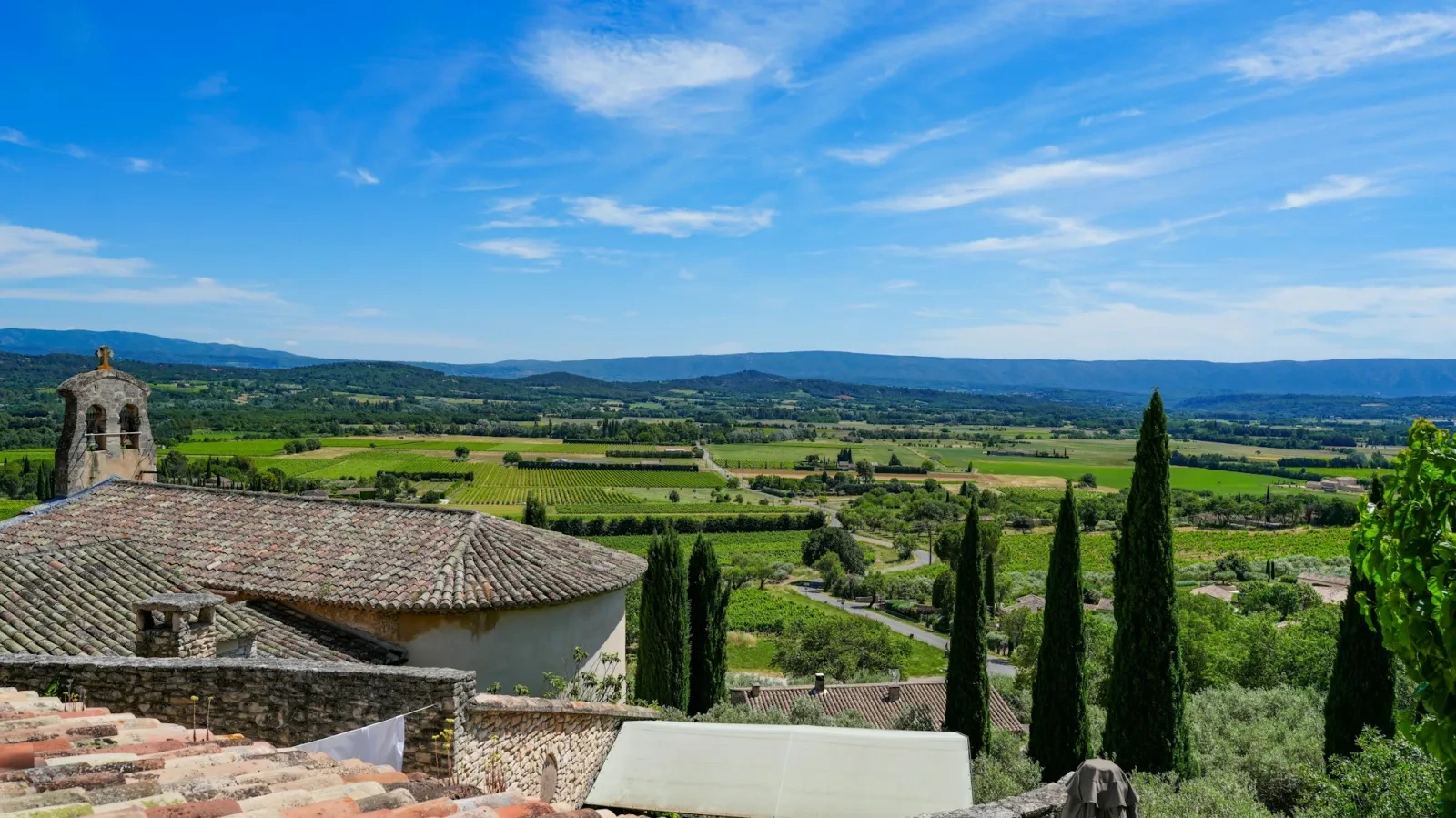
Provence, France: the hillside village of Gordes

France's official Provence travel guideExternal site Opens an external website in a new tab

4. Alpine lakes: Annecy, Aix-les-Bains and Lake Bourget

Use three nights in Annecy and two in Aix-les-Bains. Annecy gives you an old-town day, a lake outing and room for a suitable walk or cycle ride; Aix-les-Bains provides a second lake base at Lake Bourget, with Chambéry as an optional town visit. Choose the activity for the season and your ability rather than assuming every boat, beach or mountain connection operates all year.

A lake stay is not the same as a technical mountain holiday. If you want Chamonix or a high-altitude outing, allow extra time and check operating dates, conditions, equipment and fitness requirements separately. Chamonix and the Mont Blanc massif are a separate mountain extension. For skiing, choose an operating mountain resort and verify snow conditions; a lakeside stay does not provide direct access to every ski area.

France: Lake Annecy and the surrounding mountains

France's official Annecy guideExternal site Opens an external website in a new tab

Aix-les-Bains official tourism informationExternal site Opens an external website in a new tab

5. Auvergne: Clermont-Ferrand, Puy de Dôme and the Sancy massif

Four nights can be divided between two around Clermont-Ferrand and two around Le Mont-Dore. Use the first base for the city and the Chaîne des Puys, including a separately planned visit to Puy de Dôme. Use the second for the Sancy area and Lake Chambon. Check the official summit train schedule or choose a walking route suited to your group; do not assume that a summit can be reached in your rental car.

Keep a flexible day for poor visibility, strong wind or an unsuitable trail. If conditions are poor, a town visit or indoor stop is a better use of time than following the original schedule regardless. Winter activities, cable cars and summer walks have separate seasons and requirements, so select a specific outing rather than promising that every visitor can complete the same mountain programme.

Auvergne, France: Puy de Dôme and its summit railway

France's official Auvergne travel guideExternal site Opens an external website in a new tab

Puy de Dôme official summit-train informationExternal site Opens an external website in a new tab

Driving licence, motorway tolls and Crit'Air

Traffic drives on the right in France. For a short stay, a qualifying foreign licence must be valid and meet the applicable documentation rules. For many non-EU/EEA licences, the official guidance requires a licence written in French or an international driving permit or official French translation alongside the original; there are specific exceptions and separate rules for other categories. A generic English translation is not automatically sufficient. Use the official guidance for your licence-issuing country and status, then separately check the rental company's conditions. A rental handover is not proof that all legal requirements are met.

For translations made abroad, the official guidance calls for legalisation or an apostille; translations made in France must come from an authorised translator or the issuing country's embassy in France.

French official guidance: foreign licences during a short stayExternal site Opens an external website in a new tab

French road safety authority: driving rulesExternal site Opens an external website in a new tab

Allow for motorway tolls and check how the actual route charges them. On free-flow toll sections, known as péage en flux libre, you may pass without stopping at a barrier and still owe payment. Official guidance gives 72 hours after passage to pay unless an applicable automatic arrangement handles it. If renting, ask whether the vehicle has an active toll tag or automatic-payment service that covers your route, and confirm the charges. Otherwise, pay through the road operator's official channel using the correct vehicle registration number. This is relevant to routes including the A13–A14 Normandy corridor and the A79 in Allier.

French transport ministry: free-flow toll paymentExternal site Opens an external website in a new tab

Service Public: free-flow tollsExternal site Opens an external website in a new tab

Crit'Air is a vehicle emissions classification, not a guarantee of entry into every city. Check the current rules for each low-emission zone and any pollution-related restrictions: boundaries, vehicle categories, hours, dates and exemptions are local. Foreign-registered vehicles have an official online application route where a sticker is required. Do not assume that every rental is exempt or that all French cities share one restriction.

Official Crit'Air guidanceExternal site Opens an external website in a new tab

Official emissions-sticker portalExternal site Opens an external website in a new tab

Budget, reservations and seasonal choices

Compare the total for your party: accommodation, car hire, insurance options, fuel, tolls, parking, possible one-way fees, meals and the visits you actually want. Separate per-room, per-car and per-person charges. A quoted daily dollar budget does not establish the current cost of a château hotel or every traveller's insurance needs. Use current bookings rather than fixed fuel conversions and blanket price claims.

Anchor the trip around a few important reservations, then leave room for normal delays and the weather. Spring and autumn can be useful choices, but no season guarantees mild conditions or empty attractions. Before leaving, recheck mountain or coastal conditions, local vehicle rules, admission dates and the car-return process. The best route is the one that leaves enough time to enjoy the places you chose.

Related reading

Discover places worth the detour