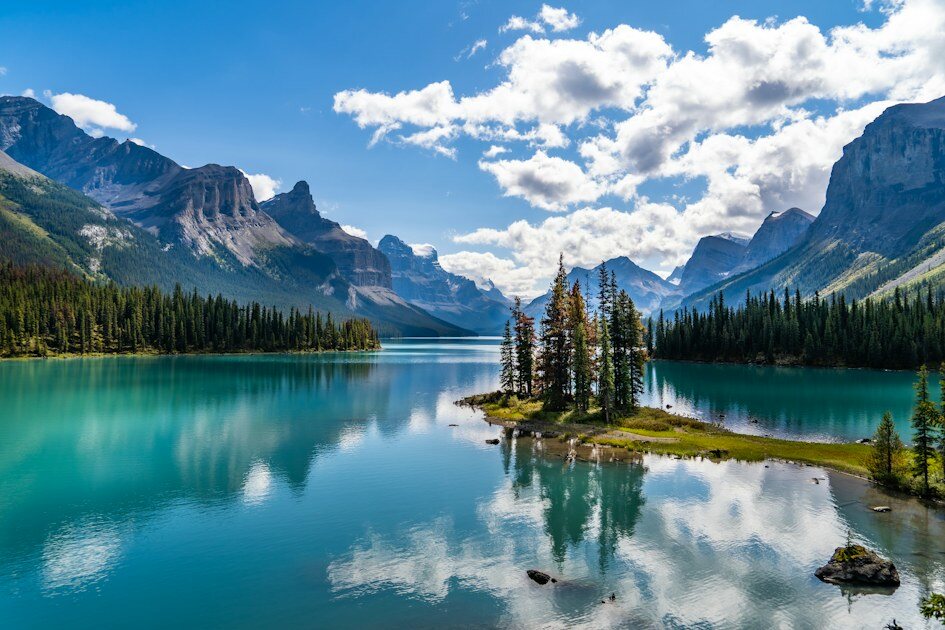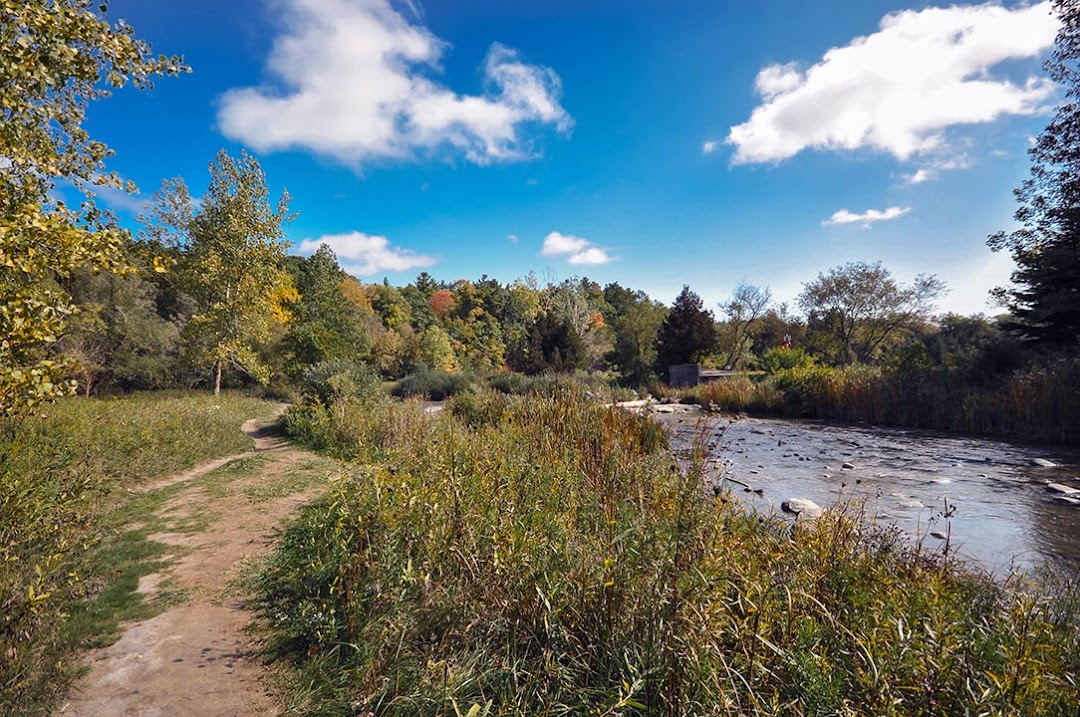
The Canadian Rockies are better explored from a few bases than through a nightly hotel change. This ten-day route focuses on Banff, Lake Louise, Yoho, and Kootenay, all within a manageable circuit from Calgary. It leaves Jasper for a separate trip so that hiking, weather delays, and wildlife closures do not become a race.
Days 1-2: Calgary to Banff
Collect the car only when leaving Calgary and check highway conditions before departure. The drive to Banff is straightforward in normal conditions, but wind, snow, smoke, or collisions can change plans in any season. Buy the correct Parks Canada pass and keep proof available.
Use the first afternoon for an easy town walk or viewpoint. On day two, use local transit or a shuttle where practical. Banff's busiest trailheads and lakes can have restricted private-car access, and rules change by season. Consult the Banff National Park visitor information rather than relying on an old itinerary.
Days 3-4: Lake Louise area
Move to a Lake Louise-area base or continue using Banff if accommodation is more practical. Reserve required shuttles before arrival. Choose one major walk per day and a shorter alternative. Elevation and weather matter more than the distance printed in a guide.
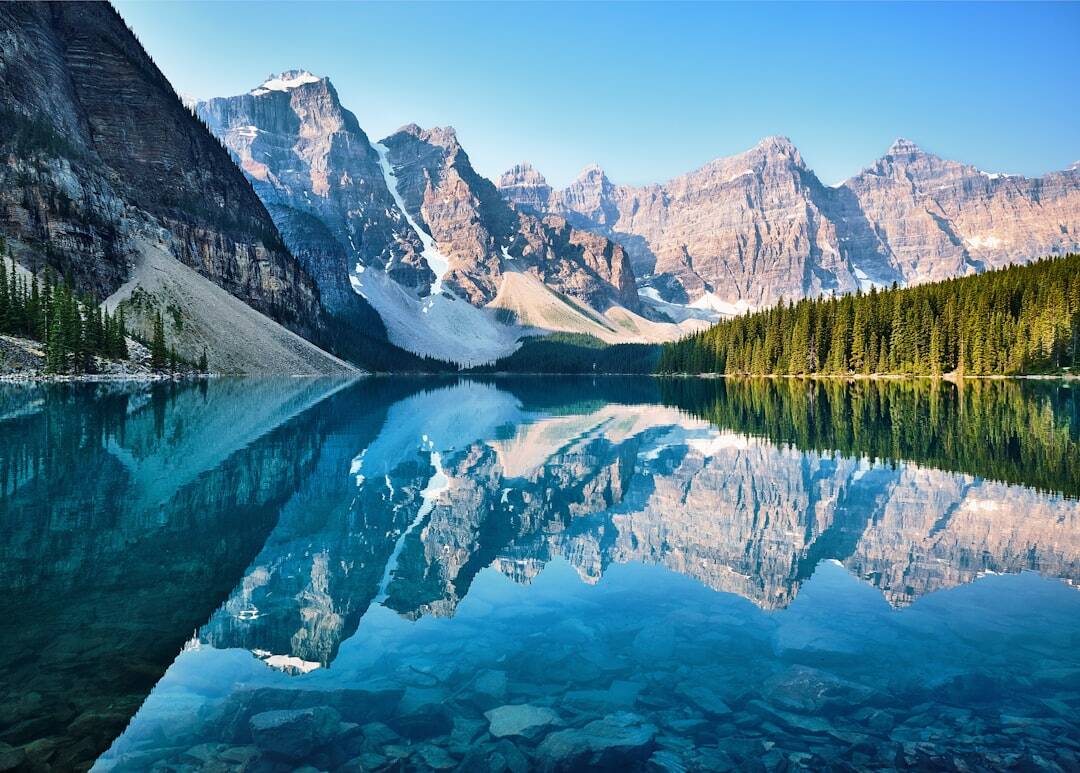
Lake Louise and Moraine Lake are busiest at predictable times, but arriving without a transport plan can be more stressful than accepting a timed shuttle. Stay on trails, pack out food, and never approach wildlife for a photograph.
Days 5-6: Yoho National Park
Cross into British Columbia for Yoho. Emerald Lake, waterfalls, and mountain walks can fill two days, but parking and seasonal road access require planning. Some routes and sensitive areas use reservations or controlled access. Check Yoho National Park conditions before setting out.
Mountain weather can turn rain into snow at elevation even when the valley is mild. Carry warm and waterproof layers, a paper or offline map, and enough food to wait out a delay. Turn around early if visibility, trail surface, or energy deteriorates.
Days 7-8: Kootenay and the Bow Valley
Travel through Kootenay National Park for contrasting valleys, canyons, and hot-spring landscapes. Do not build the day around an exact arrival time after a long hike. Construction and wildlife can slow the parkways.
Return toward the Bow Valley for a second night. This is useful recovery time and creates flexibility if an earlier day was lost to weather.
Days 9-10: Final hike and Calgary
Choose a final half-day trail close to the return route, then spend the last night in Calgary if flying the next morning. Avoid finishing a remote hike and immediately attempting an evening flight.
Wildlife and trail safety
Carry bear spray where recommended, know how to use it, and keep it accessible rather than buried in a pack. Make noise on trails, travel in a group when possible, secure food, and obey closures. A distant bear sighting is not an invitation to stop traffic or move closer. Parks Canada guidance takes priority over social-media advice.
Tell someone your route and expected return. Mobile service is unreliable in valleys and on parkways. Check wildfire, air-quality, avalanche, and trail reports appropriate to the season. In winter and spring, summer hiking descriptions are not reliable safety guidance.
Transport and reservations
A normal car is sufficient for paved highways in suitable conditions, but winter tire rules and rental terms vary. Fuel before long scenic roads. Reserve accommodation and high-demand transport early while keeping cancellation terms flexible.
Sources and checks
Last reviewed: September 2026. Verify shuttles, closures, wildfire conditions, and trail reports before each day.