
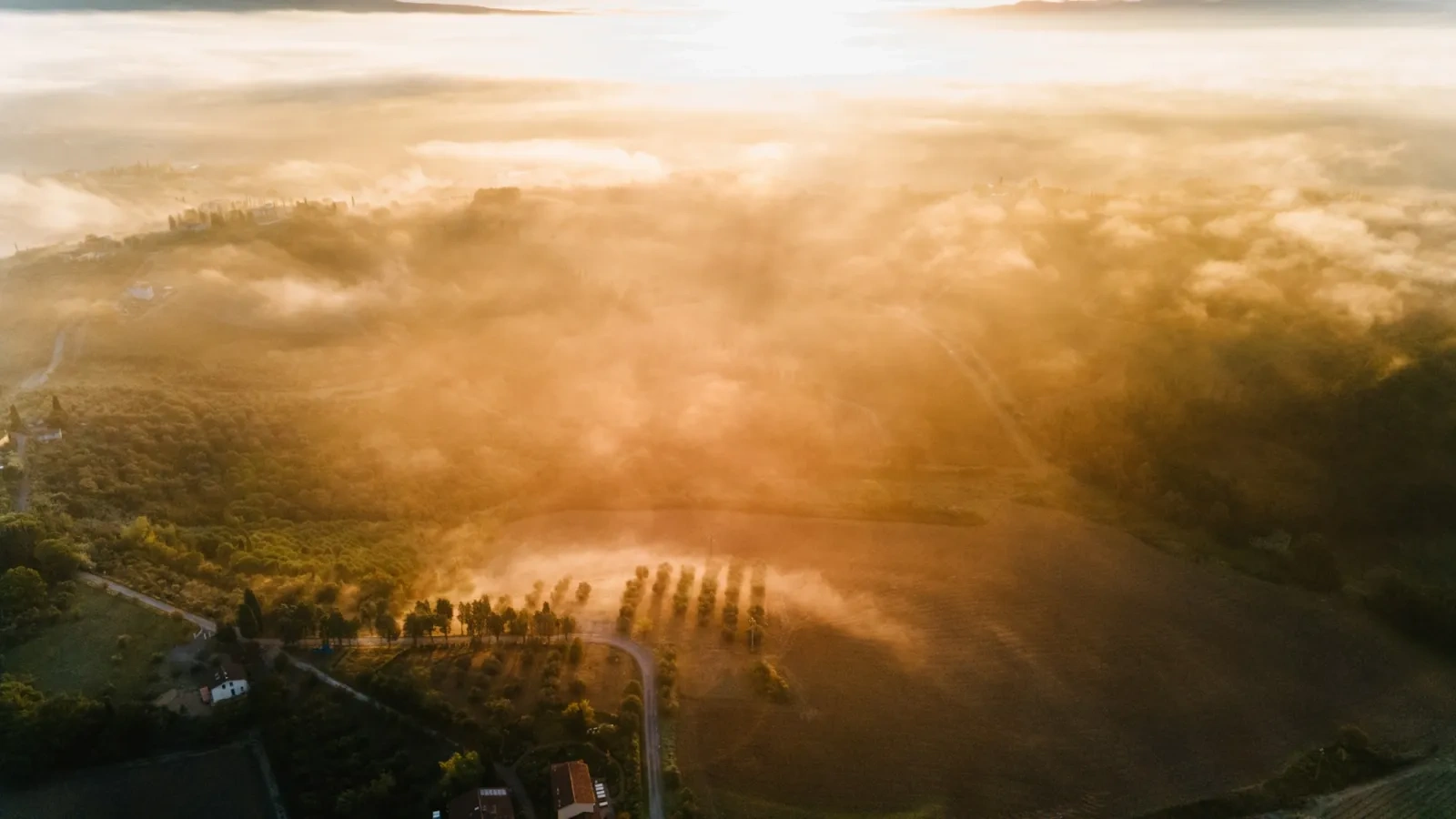
Road trip

Central Italy road trip: a 10-day Rome, Tuscany and Orvieto loop

Plan 10 days and 9 nights from Rome through Siena, Chianti, Val d’Orcia and Orvieto, with a shorter 7-day version, parking advice and driving-document checks.

Author: Tourants editorial · Last edited:

10 daysDaysRoad tripTypical daily budget—Destination
Start planning →
Central Italy road trip: a 10-day Rome, Tuscany and Orvieto loop

Rome works best on foot and public transport; the car becomes useful once you leave for Tuscany. This 10-day, 9-night loop starts and ends in Rome, travels north to Siena and Chianti, then returns south through Val d’Orcia and Orvieto in Umbria. Florence is not included in this itinerary. Plan a separate visit to Florence. A shorter 7-day, 6-night version appears below.

Plan the nights before booking the car

DaysOvernight baseNightsMain plan
1–2Rome2Arrival, ancient Rome and a choice of museum visits; no car
3–5Siena or nearby countryside3Transfer, Siena on foot, a separate Chianti day
6–7Pienza or San Quirico d’Orcia2Val d’Orcia villages and Montepulciano
8Orvieto1Cathedral and hilltop streets
9Rome or an airport hotel1Return the car, allow a buffer before departure
10No overnight included0Departure

The total is 9 nights. Choose accommodation with a confirmed legal approach and parking; a historic-center address does not guarantee you may drive there. Countryside bases offer space but mean driving to dinner. Towns are easier for evening walks, while cobbles, hills and stairs can make luggage transfers difficult. Ask about access before paying if anyone has reduced mobility.

1. Days 1–2: Rome without a rental car

Use day 1 for arrival and a modest neighborhood walk. On day 2, choose a timed visit to the Colosseum and the Roman Forum–Palatine area, or prioritize the Vatican Museums and Sistine Chapel. Do not squeeze both major museum complexes into a jet-lagged arrival afternoon. St Peter’s Basilica has its own access arrangements and security queues; a Vatican Museums booking is not a general pass for every Vatican attraction.

Reserve through the Colosseum official visitor pageExternal site Opens an external website in a new tab and the Vatican Museums official ticket pageExternal site Opens an external website in a new tab. Colosseum entry requires a booked time; ticket types include different areas, and a “24h” ticket describes validity, not round-the-clock opening. Check the named-ticket and identification requirements when booking. Vatican Museums opening days and holiday closures vary; do not assume a Sunday visit is possible. Neither an early arrival nor a reseller’s “fast track” label removes security checks.

Stay near public transport and collect the car only on day 3. Compare an airport depot against an accessible outer-city depot, including transfers, opening hours, rental surcharges and the route out. Avoid collecting a car inside a restricted central zone just because it looks close to your hotel.

2. Days 3–5: Siena and one Chianti outing

On day 3, head north from Rome toward Siena. Allow roughly 3–4 hours for the direct driving leg, plus collection formalities, traffic, breaks and parking. This is a planning allowance, not a guaranteed arrival time. Use the main roads and arrive in daylight; save the scenic detours until after you have settled in. An afternoon stroll around Piazza del Campo is enough after the transfer.

Spend day 4 in Siena on foot: Piazza del Campo, the lanes around Palazzo Pubblico, then the cathedral complex if its current ticket and opening arrangements suit you. These are separate visits; a walk across the square does not include tower or cathedral admission. Do not rely on a fixed “quiet after 4 pm” rule. Events, particularly the Palio period, can change access and accommodation availability.

For parking, investigate Santa Caterina or another official car park outside the restricted center; check the approach route, availability and pedestrian access before departure. Siena’s municipal accommodation access guidanceExternal site Opens an external website in a new tab describes procedures for hotels inside the ZTL. A room reservation or a parking receipt is not itself permission to cross a camera-controlled gate. Have the property confirm any authorization, plate registration and permitted approach before entering.

Siena’s Palazzo Pubblico and Torre del Mangia illuminated at night

Use day 5 for Chianti. Choose Castellina in Chianti and, if time allows, Greve in Chianti via the SR222; allow most of the day for winding roads, one or two towns and lunch. Return to the same Siena base. The regional Chianti wine and olive-oil routeExternal site Opens an external website in a new tab provides ideas, not a requirement to visit every stop. Do not add Florence or several winery appointments to this day.

Book any cellar visit in advance. The designated driver should drink no alcohol; arrange a driver, taxi or organized tour in advance if everyone wants to taste wine. Rural taxis are not guaranteed to be waiting outside a winery. Buy a bottle for the evening rather than drinking and then driving between villages.

3. Days 6–7: Val d’Orcia and Montepulciano

On day 6, move south from Siena to Pienza or San Quirico d’Orcia. The direct transfer is around 1–1.5 hours before stops; make it a relaxed sightseeing day rather than racing between viewpoints. Explore Pienza’s Piazza Pio II, its Renaissance streets and the public viewpoints along the town walls. Try local pecorino di Pienza, a sheep’s-milk cheese; do not describe it as Pecorino Romano. Cheese shops and restaurants do not automatically offer workshops, so reserve a specific producer visit if that matters to you.

On day 7, visit Montepulciano and, optionally, Monticchiello on the return. Montepulciano is a steep hill town: leave the car in a signed visitor car park and allow time to walk uphill to Piazza Grande. A cellar visit is optional and follows the same sober-driver rule as Chianti. Staying in Montepulciano instead of Pienza is a reasonable alternative if its restaurants and evening atmosphere are more important than short trips around Val d’Orcia.

Fields, farmhouses and cypress trees in the Val d’Orcia countryside

Use the regional Val d’Orcia driving itineraryExternal site Opens an external website in a new tab to choose stops. Bagno Vignoni can replace Montepulciano on a slower day; the historic pool in the square is a sight to view, not an invitation to bathe. Do not promise unrestricted access to fields, private driveways or every photographed cypress-lined road. Stop only where parking is legal and safe, never on a blind bend or across a farm entrance.

For an agriturismo, ask whether the final access road is paved, how steep it is and where to park. A picturesque gravel track is not automatically suitable for your car or permitted by your rental contract. Request the host’s arrival directions; avoid unverified navigation shortcuts, especially after rain or after dark. A countryside property may require dinner reservations or a drive to the nearest restaurant.

4. Day 8: Orvieto, in Umbria

Drive south from the Val d’Orcia area to Orvieto, allowing around 1.5–2 hours for the direct journey before stops. Orvieto is in Umbria, not Tuscany. Keep the afternoon for its cathedral façade, historic streets and a prebooked underground visit if desired. The cathedral’s underground spaces and a separate town underground tour are different products; check what your ticket includes rather than assuming one purchase covers both.

The municipal arrival guideExternal site Opens an external website in a new tab explains options such as parking near the railway station and using the funicular to Piazza Cahen, or parking at Campo della Fiera and using the pedestrian access system. Check current operating hours and the remaining walk to your accommodation. The funicular reaches the edge of the historic town, not the cathedral door. Use the cathedral’s official visitor informationExternal site Opens an external website in a new tab for seasonal hours, worship-related restrictions and ticket options.

The mosaic-covered Gothic façade of Orvieto Cathedral

Sleep in Orvieto rather than treating the visit as a rushed motorway stop. Confirm luggage arrangements if you park below the hill; take valuables with you rather than leaving visible bags in a parked rental car. Historic streets may be restricted even when a navigation app offers a route through them.

5. Days 9–10: return to Rome and depart

On day 9, allow around 2 hours for the direct Orvieto–Rome drive, then add traffic, refueling, vehicle inspection and depot transfers. Return to the agreed depot before its closing time and photograph the fuel level and vehicle condition. A Rome airport return may be easier than entering the center, but compare the transfer to your final hotel. Confirm the fuel or charging policy and any after-hours procedure beforehand.

Keep the ninth night in Rome or near the departure airport, then fly on day 10. This buffer reduces the pressure to combine a distant hill-town visit, car return and international flight on the same day. Do not treat a two-hour driving estimate as the time needed to reach the departure gate. If you add Florence, add at least two nights or remove another region and replan the loop; Florence needs its own parking and ZTL arrangements.

Only seven days? Use this 6-night version

Keep day 1 for arrival in Rome and day 2 for one major museum complex. On day 3, drive directly to Siena and sleep there. On day 4, continue to Pienza or San Quirico d’Orcia and sleep there. On day 5, visit Orvieto and stay overnight. On day 6, return the car and sleep in Rome; depart on day 7. The nights are Rome 2, Siena 1, Val d’Orcia 1, Orvieto 1 and Rome 1: 6 in total.

This shorter plan omits the dedicated Chianti day and the full Montepulciano day. It also gives Siena less time. Keep those omissions rather than turning every day into a series of parking stops. If two full days in Rome matter more, drop another countryside stop or extend the trip.

Driving documents, ZTL gates and rental conditions

Italy drives on the right. For a licence issued outside the EU/EEA, Article 135 of the Italian Highway CodeExternal site Opens an external website in a new tab generally requires the valid original licence together with either a valid International Driving Permit (IDP) or an official Italian translation, subject to applicable international conventions. This provision applies to drivers who have not been resident in Italy for more than one year; the one-year condition is about Italian residence, not a fresh one-year allowance for every holiday. An IDP or translation does not replace the original licence.

For a mainland Chinese licence, the Italian Embassy in Beijing’s published procedureExternal site Opens an external website in a new tab describes carrying the original licence with a Chinese notarial document containing an Italian translation, signed by the notary and bearing the required apostille. Consult the current consular instructions before preparing documents. A generic English translation or a privately sold “international licence” does not establish permission to drive in Italy. The Transport Ministry’s translation guidanceExternal site Opens an external website in a new tab explains official certification routes. Ask the rental-car company where you will collect the car to confirm in writing that it accepts your driving documents; this guide does not establish their validity in another country.

A ZTL is a restricted traffic zone, often monitored by cameras. “VARCO ATTIVO” means the restriction is active, not that visitors are welcome to drive through. Read the full sign, times and exceptions; a map app, an open barrier or following another car is not authorization. Parking outside the historic center is the default plan. Where hotel access is possible, confirm the exact gate, permitted route, timing and plate registration before entry. Do not assume the hotel can cancel a fine afterward.

Follow posted speed limits and reduce speed for weather, bends and pedestrians. Road categories have different limits; a single “90 km/h outside towns” rule is insufficient. Blue parking lines usually indicate paid spaces, white lines may indicate free or regulated spaces, and yellow is reserved; read the local signs for time limits, resident restrictions and payment rules. Keep motorway tickets where required, choose a compatible payment lane and do not enter a Telepass-only lane without an authorized device. Check the vehicle’s seasonal equipment requirements for your route and dates.

Minimum age, licence-holding period, deposit, accepted payment card and additional-driver rules vary by rental company and vehicle. Read exclusions for unpaved roads and check third-party liability cover separately from damage/theft excesses and optional waivers. The EU rental-car guidanceExternal site Opens an external website in a new tab explains that third-party liability insurance should be included. Do not budget a compulsory extra insurance charge without checking the actual contract. Visa or other entry permission is separate from driving entitlement; check the requirements for your passport and travel dates.

Timing, costs and the final booking order

April–June and September–October often suit a countryside itinerary, but rain, heat, crowds and prices vary; shoulder season does not guarantee empty towns. July–August needs heat breaks and earlier booking. Winter is possible with shorter daylight and reduced or irregular services; check individual opening calendars and road conditions rather than assuming all attractions close. Avoid late countryside arrivals when choosing flights and accommodation.

Build a budget from actual quotes and the correct number of nights. As an arithmetic example for two adults sharing, 9 nights at €140 per room cost €1,260, or €630 per person. A €600 vehicle allowance shared by two adds €300 each; this must cover the quoted rental, fuel, tolls, parking and chosen extras. Add €400 per person for 10 days of meals, €150 for admissions and €50 for local transport: €1,530 per person before flights, tourist taxes and personal spending. These are example inputs, not current rates or a guaranteed trip price. Recalculate if traveling alone or in peak season, and confirm whether an extra partial rental day is charged.

Book in this order: travel dates and entry documents; timed Rome admissions; accommodation with confirmed parking and access; the rental company’s acceptance of your driving documents; then winery or underground visits and transfers. Save official booking confirmations and offline maps. Recheck gate restrictions, opening notices, rental terms and the weather shortly before departure.

Central Italy road trip: a 10-day Rome, Tuscany and Orvieto loop
tourants.

Road trip

Central Italy road trip: a 10-day Rome, Tuscany and Orvieto loop

Plan 10 days and 9 nights from Rome through Siena, Chianti, Val d’Orcia and Orvieto, with a shorter 7-day version, parking advice and driving-document checks.
Days
10 days
Typical daily budget
Road trip
Destination
—

Author: Tourants editorial · Last edited: Nov 10, 2026

Rome works best on foot and public transport; the car becomes useful once you leave for Tuscany. This 10-day, 9-night loop starts and ends in Rome, travels north to Siena and Chianti, then returns south through Val d’Orcia and Orvieto in Umbria. Florence is not included in this itinerary. Plan a separate visit to Florence. A shorter 7-day, 6-night version appears below.

Plan the nights before booking the car

DaysOvernight baseNightsMain plan
1–2Rome2Arrival, ancient Rome and a choice of museum visits; no car
3–5Siena or nearby countryside3Transfer, Siena on foot, a separate Chianti day
6–7Pienza or San Quirico d’Orcia2Val d’Orcia villages and Montepulciano
8Orvieto1Cathedral and hilltop streets
9Rome or an airport hotel1Return the car, allow a buffer before departure
10No overnight included0Departure

The total is 9 nights. Choose accommodation with a confirmed legal approach and parking; a historic-center address does not guarantee you may drive there. Countryside bases offer space but mean driving to dinner. Towns are easier for evening walks, while cobbles, hills and stairs can make luggage transfers difficult. Ask about access before paying if anyone has reduced mobility.

1. Days 1–2: Rome without a rental car

Use day 1 for arrival and a modest neighborhood walk. On day 2, choose a timed visit to the Colosseum and the Roman Forum–Palatine area, or prioritize the Vatican Museums and Sistine Chapel. Do not squeeze both major museum complexes into a jet-lagged arrival afternoon. St Peter’s Basilica has its own access arrangements and security queues; a Vatican Museums booking is not a general pass for every Vatican attraction.

Reserve through the Colosseum official visitor pageExternal site Opens an external website in a new tab and the Vatican Museums official ticket pageExternal site Opens an external website in a new tab. Colosseum entry requires a booked time; ticket types include different areas, and a “24h” ticket describes validity, not round-the-clock opening. Check the named-ticket and identification requirements when booking. Vatican Museums opening days and holiday closures vary; do not assume a Sunday visit is possible. Neither an early arrival nor a reseller’s “fast track” label removes security checks.

Stay near public transport and collect the car only on day 3. Compare an airport depot against an accessible outer-city depot, including transfers, opening hours, rental surcharges and the route out. Avoid collecting a car inside a restricted central zone just because it looks close to your hotel.

2. Days 3–5: Siena and one Chianti outing

On day 3, head north from Rome toward Siena. Allow roughly 3–4 hours for the direct driving leg, plus collection formalities, traffic, breaks and parking. This is a planning allowance, not a guaranteed arrival time. Use the main roads and arrive in daylight; save the scenic detours until after you have settled in. An afternoon stroll around Piazza del Campo is enough after the transfer.

Spend day 4 in Siena on foot: Piazza del Campo, the lanes around Palazzo Pubblico, then the cathedral complex if its current ticket and opening arrangements suit you. These are separate visits; a walk across the square does not include tower or cathedral admission. Do not rely on a fixed “quiet after 4 pm” rule. Events, particularly the Palio period, can change access and accommodation availability.

For parking, investigate Santa Caterina or another official car park outside the restricted center; check the approach route, availability and pedestrian access before departure. Siena’s municipal accommodation access guidanceExternal site Opens an external website in a new tab describes procedures for hotels inside the ZTL. A room reservation or a parking receipt is not itself permission to cross a camera-controlled gate. Have the property confirm any authorization, plate registration and permitted approach before entering.

Siena’s Palazzo Pubblico and Torre del Mangia illuminated at night

Use day 5 for Chianti. Choose Castellina in Chianti and, if time allows, Greve in Chianti via the SR222; allow most of the day for winding roads, one or two towns and lunch. Return to the same Siena base. The regional Chianti wine and olive-oil routeExternal site Opens an external website in a new tab provides ideas, not a requirement to visit every stop. Do not add Florence or several winery appointments to this day.

Book any cellar visit in advance. The designated driver should drink no alcohol; arrange a driver, taxi or organized tour in advance if everyone wants to taste wine. Rural taxis are not guaranteed to be waiting outside a winery. Buy a bottle for the evening rather than drinking and then driving between villages.

3. Days 6–7: Val d’Orcia and Montepulciano

On day 6, move south from Siena to Pienza or San Quirico d’Orcia. The direct transfer is around 1–1.5 hours before stops; make it a relaxed sightseeing day rather than racing between viewpoints. Explore Pienza’s Piazza Pio II, its Renaissance streets and the public viewpoints along the town walls. Try local pecorino di Pienza, a sheep’s-milk cheese; do not describe it as Pecorino Romano. Cheese shops and restaurants do not automatically offer workshops, so reserve a specific producer visit if that matters to you.

On day 7, visit Montepulciano and, optionally, Monticchiello on the return. Montepulciano is a steep hill town: leave the car in a signed visitor car park and allow time to walk uphill to Piazza Grande. A cellar visit is optional and follows the same sober-driver rule as Chianti. Staying in Montepulciano instead of Pienza is a reasonable alternative if its restaurants and evening atmosphere are more important than short trips around Val d’Orcia.

Fields, farmhouses and cypress trees in the Val d’Orcia countryside

Use the regional Val d’Orcia driving itineraryExternal site Opens an external website in a new tab to choose stops. Bagno Vignoni can replace Montepulciano on a slower day; the historic pool in the square is a sight to view, not an invitation to bathe. Do not promise unrestricted access to fields, private driveways or every photographed cypress-lined road. Stop only where parking is legal and safe, never on a blind bend or across a farm entrance.

For an agriturismo, ask whether the final access road is paved, how steep it is and where to park. A picturesque gravel track is not automatically suitable for your car or permitted by your rental contract. Request the host’s arrival directions; avoid unverified navigation shortcuts, especially after rain or after dark. A countryside property may require dinner reservations or a drive to the nearest restaurant.

4. Day 8: Orvieto, in Umbria

Drive south from the Val d’Orcia area to Orvieto, allowing around 1.5–2 hours for the direct journey before stops. Orvieto is in Umbria, not Tuscany. Keep the afternoon for its cathedral façade, historic streets and a prebooked underground visit if desired. The cathedral’s underground spaces and a separate town underground tour are different products; check what your ticket includes rather than assuming one purchase covers both.

The municipal arrival guideExternal site Opens an external website in a new tab explains options such as parking near the railway station and using the funicular to Piazza Cahen, or parking at Campo della Fiera and using the pedestrian access system. Check current operating hours and the remaining walk to your accommodation. The funicular reaches the edge of the historic town, not the cathedral door. Use the cathedral’s official visitor informationExternal site Opens an external website in a new tab for seasonal hours, worship-related restrictions and ticket options.

The mosaic-covered Gothic façade of Orvieto Cathedral

Sleep in Orvieto rather than treating the visit as a rushed motorway stop. Confirm luggage arrangements if you park below the hill; take valuables with you rather than leaving visible bags in a parked rental car. Historic streets may be restricted even when a navigation app offers a route through them.

5. Days 9–10: return to Rome and depart

On day 9, allow around 2 hours for the direct Orvieto–Rome drive, then add traffic, refueling, vehicle inspection and depot transfers. Return to the agreed depot before its closing time and photograph the fuel level and vehicle condition. A Rome airport return may be easier than entering the center, but compare the transfer to your final hotel. Confirm the fuel or charging policy and any after-hours procedure beforehand.

Keep the ninth night in Rome or near the departure airport, then fly on day 10. This buffer reduces the pressure to combine a distant hill-town visit, car return and international flight on the same day. Do not treat a two-hour driving estimate as the time needed to reach the departure gate. If you add Florence, add at least two nights or remove another region and replan the loop; Florence needs its own parking and ZTL arrangements.

Only seven days? Use this 6-night version

Keep day 1 for arrival in Rome and day 2 for one major museum complex. On day 3, drive directly to Siena and sleep there. On day 4, continue to Pienza or San Quirico d’Orcia and sleep there. On day 5, visit Orvieto and stay overnight. On day 6, return the car and sleep in Rome; depart on day 7. The nights are Rome 2, Siena 1, Val d’Orcia 1, Orvieto 1 and Rome 1: 6 in total.

This shorter plan omits the dedicated Chianti day and the full Montepulciano day. It also gives Siena less time. Keep those omissions rather than turning every day into a series of parking stops. If two full days in Rome matter more, drop another countryside stop or extend the trip.

Driving documents, ZTL gates and rental conditions

Italy drives on the right. For a licence issued outside the EU/EEA, Article 135 of the Italian Highway CodeExternal site Opens an external website in a new tab generally requires the valid original licence together with either a valid International Driving Permit (IDP) or an official Italian translation, subject to applicable international conventions. This provision applies to drivers who have not been resident in Italy for more than one year; the one-year condition is about Italian residence, not a fresh one-year allowance for every holiday. An IDP or translation does not replace the original licence.

For a mainland Chinese licence, the Italian Embassy in Beijing’s published procedureExternal site Opens an external website in a new tab describes carrying the original licence with a Chinese notarial document containing an Italian translation, signed by the notary and bearing the required apostille. Consult the current consular instructions before preparing documents. A generic English translation or a privately sold “international licence” does not establish permission to drive in Italy. The Transport Ministry’s translation guidanceExternal site Opens an external website in a new tab explains official certification routes. Ask the rental-car company where you will collect the car to confirm in writing that it accepts your driving documents; this guide does not establish their validity in another country.

A ZTL is a restricted traffic zone, often monitored by cameras. “VARCO ATTIVO” means the restriction is active, not that visitors are welcome to drive through. Read the full sign, times and exceptions; a map app, an open barrier or following another car is not authorization. Parking outside the historic center is the default plan. Where hotel access is possible, confirm the exact gate, permitted route, timing and plate registration before entry. Do not assume the hotel can cancel a fine afterward.

Follow posted speed limits and reduce speed for weather, bends and pedestrians. Road categories have different limits; a single “90 km/h outside towns” rule is insufficient. Blue parking lines usually indicate paid spaces, white lines may indicate free or regulated spaces, and yellow is reserved; read the local signs for time limits, resident restrictions and payment rules. Keep motorway tickets where required, choose a compatible payment lane and do not enter a Telepass-only lane without an authorized device. Check the vehicle’s seasonal equipment requirements for your route and dates.

Minimum age, licence-holding period, deposit, accepted payment card and additional-driver rules vary by rental company and vehicle. Read exclusions for unpaved roads and check third-party liability cover separately from damage/theft excesses and optional waivers. The EU rental-car guidanceExternal site Opens an external website in a new tab explains that third-party liability insurance should be included. Do not budget a compulsory extra insurance charge without checking the actual contract. Visa or other entry permission is separate from driving entitlement; check the requirements for your passport and travel dates.

Timing, costs and the final booking order

April–June and September–October often suit a countryside itinerary, but rain, heat, crowds and prices vary; shoulder season does not guarantee empty towns. July–August needs heat breaks and earlier booking. Winter is possible with shorter daylight and reduced or irregular services; check individual opening calendars and road conditions rather than assuming all attractions close. Avoid late countryside arrivals when choosing flights and accommodation.

Build a budget from actual quotes and the correct number of nights. As an arithmetic example for two adults sharing, 9 nights at €140 per room cost €1,260, or €630 per person. A €600 vehicle allowance shared by two adds €300 each; this must cover the quoted rental, fuel, tolls, parking and chosen extras. Add €400 per person for 10 days of meals, €150 for admissions and €50 for local transport: €1,530 per person before flights, tourist taxes and personal spending. These are example inputs, not current rates or a guaranteed trip price. Recalculate if traveling alone or in peak season, and confirm whether an extra partial rental day is charged.

Book in this order: travel dates and entry documents; timed Rome admissions; accommodation with confirmed parking and access; the rental company’s acceptance of your driving documents; then winery or underground visits and transfers. Save official booking confirmations and offline maps. Recheck gate restrictions, opening notices, rental terms and the weather shortly before departure.

Related reading

Discover places worth the detour