

Sightseeing
Wadi Rum Desert
Wadi Rum Desert is a natural attraction known for its landscape and outdoor scenery. It suits travelers looking for viewpoints, walks, photography, and a stronger connection to the region's geography.
Amman · Jordan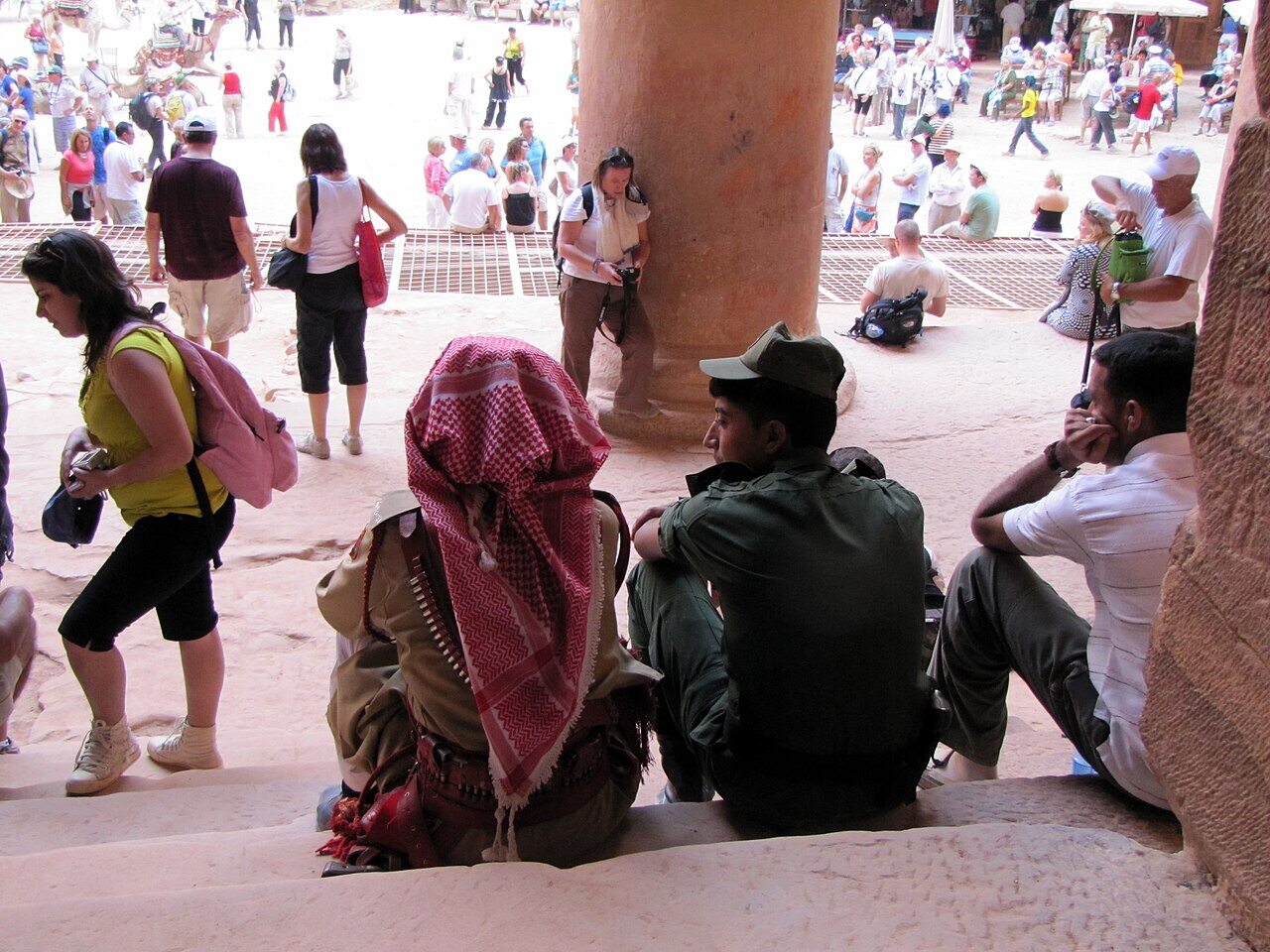
Sightseeing
Amman · Jordan
Petra is a notable point of interest, offering visitors an opportunity to experience the distinctive character and appeal of this destination. Whether for its natural beauty, cultural significance, or unique atmosphere, it provides a rewarding experience as part of a broader exploration of the area.
Map explore
Places to stop
Wadi Rum Desert is a natural attraction known for its landscape and outdoor scenery. It suits travelers looking for viewpoints, walks, photography, and a stronger connection to the region's geography.
Amman · Jordan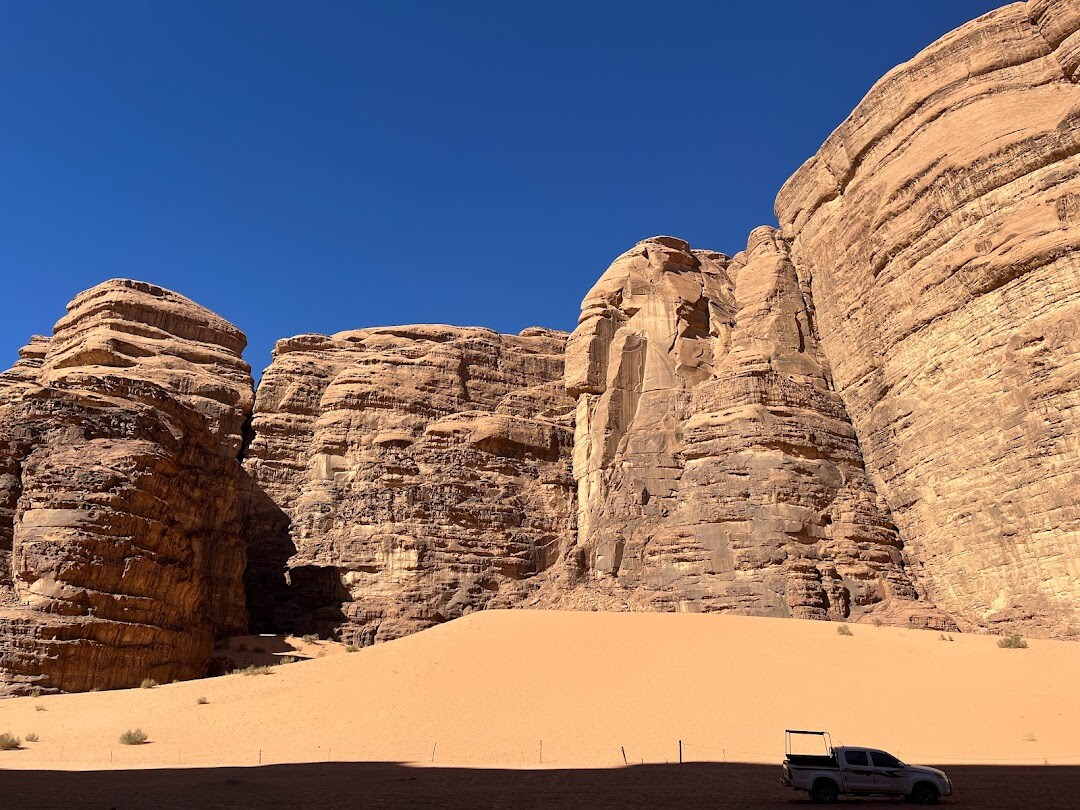
Wadi Rum is a notable point of interest, offering visitors an opportunity to experience the distinctive character and appeal of this destination. Whether for its natural beauty, cultural significance, or unique atmosphere, it provides a rewarding experience as part of a broader exploration of the area.
Amman · Jordan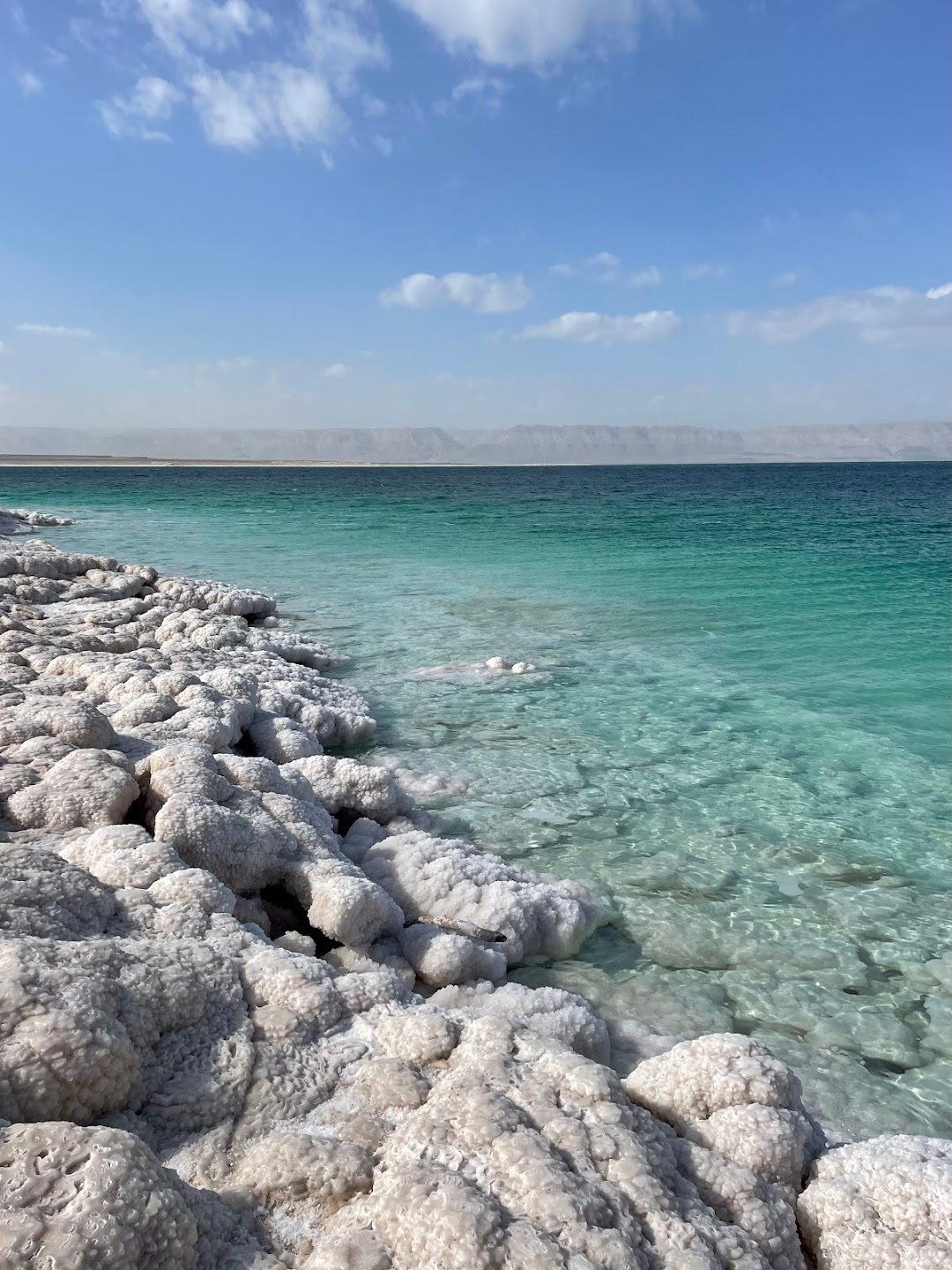
The Dead Sea is a salt lake bordered by Jordan and Israel at 430 meters below sea level — the lowest point on Earth's surface. Its extraordinary salinity (10× that of the ocean) makes it impossible for conventional aquatic life to survive, but allows bathers to float effortlessly on the surface. The mineral-rich black mud smeared on the shores is prized for its therapeutic skin benefits, and the surrounding desert landscape of russet cliffs and pale blue water is strikingly beautiful.
Amman · Jordan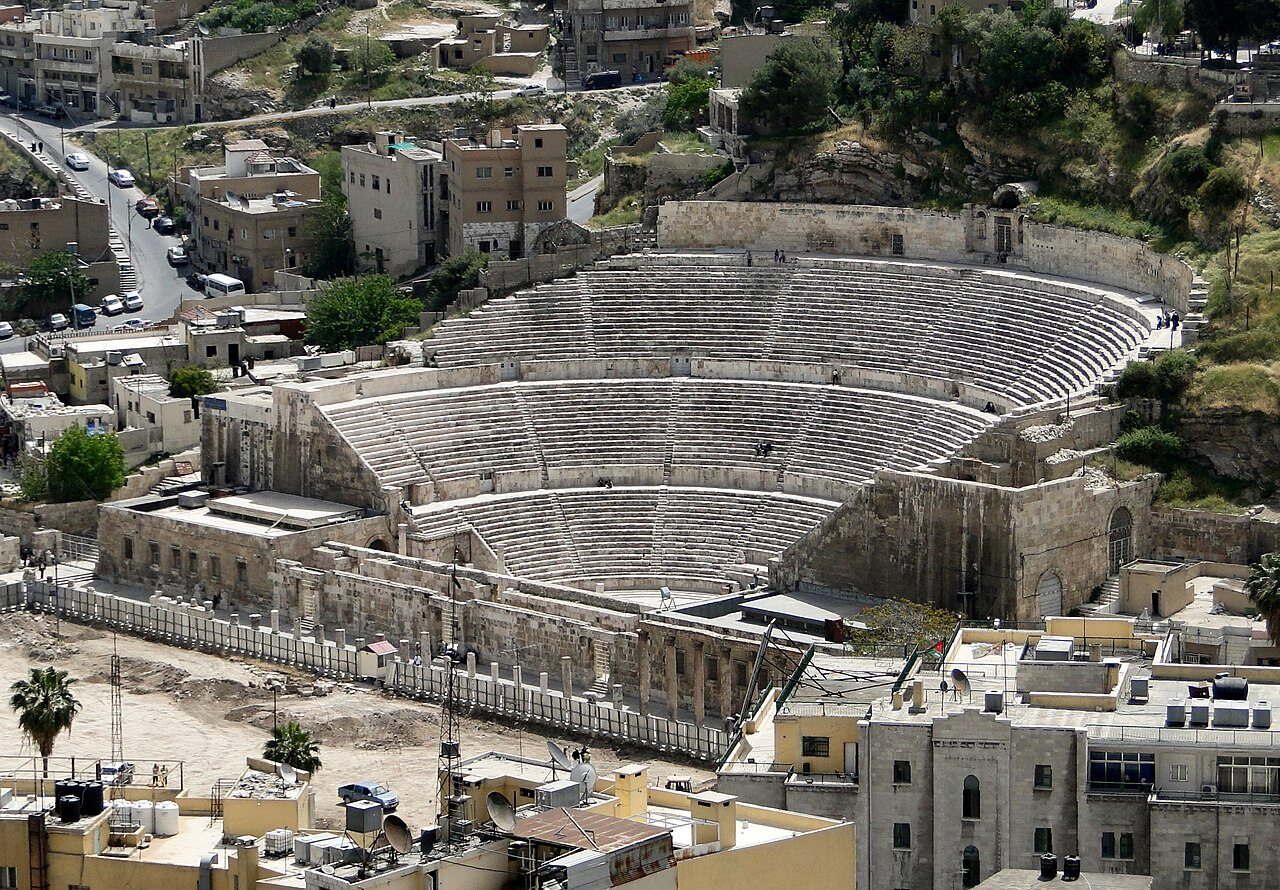
Roman theaters are remarkable ancient performance venues built throughout the Roman Empire, designed with semicircular seating arrangements (cavea) cut into hillsides for optimal acoustics. Many Roman theaters have survived remarkably intact across Europe, North Africa, and the Middle East—from the Theater of Herodes Atticus in Athens to the Roman Theater of Orange in France. These sites continue to host cultural performances, connecting modern audiences to their ancient heritage.
Amman · Jordan
The Amman Citadel (Jabal al-Qal'a) is a historic site atop one of Amman's seven hills, encompassing ruins from multiple civilizations dating back to the Bronze Age, Assyrian, Hellenistic, Roman, Byzantine, and Umayyad periods. Its most impressive monument is the Umayyad Palace complex from the early 8th century AD, while the Temple of Hercules — represented by a massive hand — dates from the Roman period. The citadel's panoramic views over modern Amman and the Roman Theatre below are outstanding.
Amman · Jordan
Jerash is one of the best-preserved Greco-Roman cities in the world, a remarkable archaeological site in northern Jordan dating from the 1st century BC through the 7th century AD. Enclosed within a continuous circuit of walls, its colonnaded Cardo Maximus, triumphal Arch of Hadrian, hilltop Temple of Artemis, and two theatres (still used for performances) conjure the daily life of a prosperous Roman provincial city. The annual Jerash Festival of Culture and Arts brings the ruins alive with performances.
Amman · JordanRelated reading

