
Sightseeing
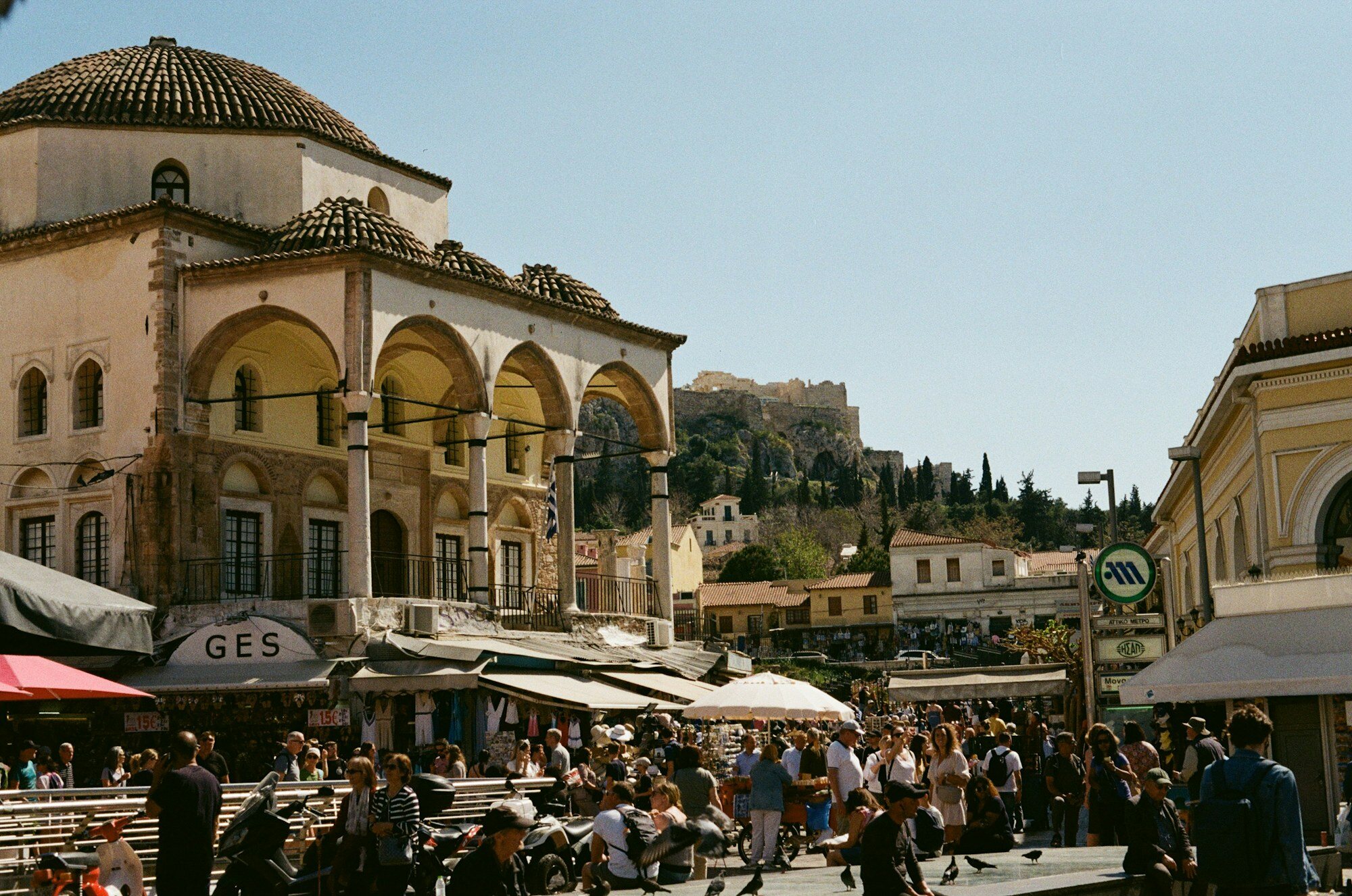
Monastiraki Square
Monastiraki Square is a green or protected area valued for its landscape, walking routes, and outdoor atmosphere. Visitors come for nature, viewpoints, and a quieter break from dense city sightseeing.
Athens · Greece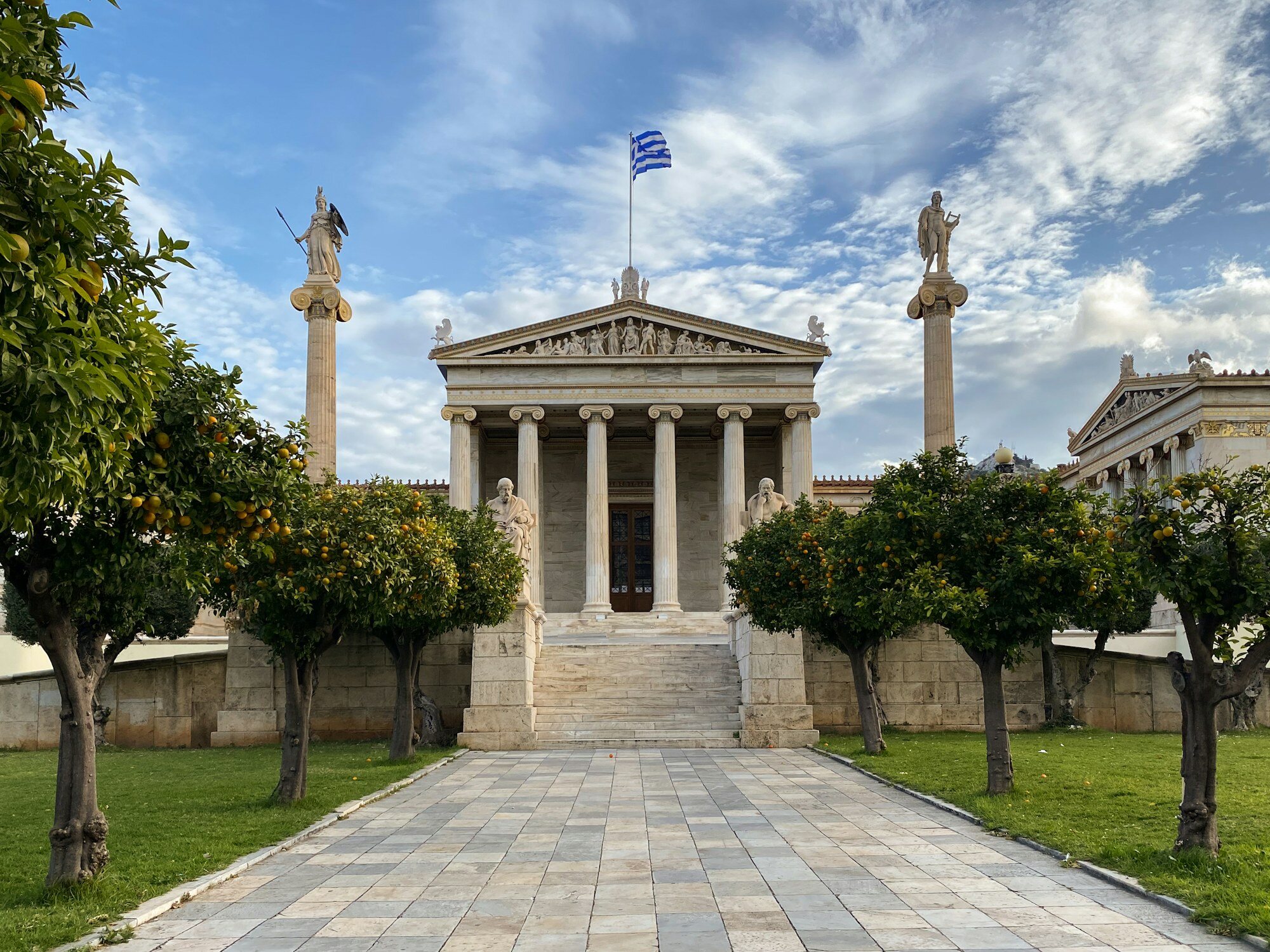
Sightseeing
Athens · Greece
National Archaeological Museum of Athens is a cultural attraction with exhibits or collections that help explain the destination's art, history, science, or local identity. It is a strong indoor stop for travelers who want context beyond sightseeing landmarks.
Map explore
Places to stop
Monastiraki Square is a green or protected area valued for its landscape, walking routes, and outdoor atmosphere. Visitors come for nature, viewpoints, and a quieter break from dense city sightseeing.
Athens · Greece
The Ancient Agora was the heart of Athenian democracy and daily life, an open civic space at the foot of the Acropolis where citizens gathered to debate, trade, and worship. The remarkably preserved Stoa of Attalos (reconstructed in the 1950s) houses the Agora Museum, while the Temple of Hephaestus is one of the best-preserved ancient Greek temples in existence. Socrates, Aristotle, and Saint Paul all walked and lectured here.
Athens · Greece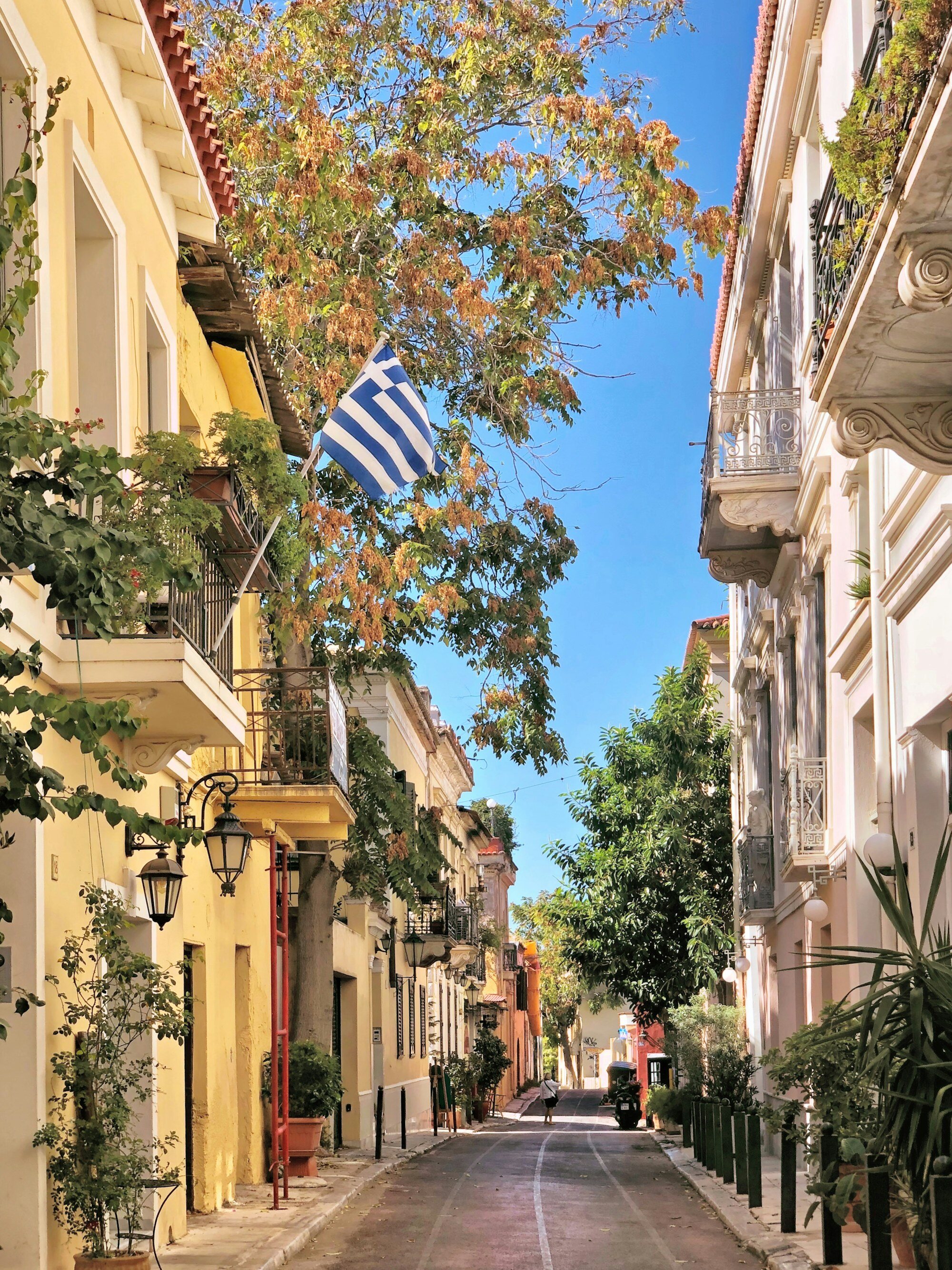
Plaka Neighborhood is a lively local area where travelers can experience shops, food, street life, and everyday culture. It is a practical stop for walking, browsing, and getting a feel for the destination's character.
Athens · Greece
The Acropolis of Athens is the most important ancient monument in the Western world, a rocky hilltop citadel crowned by the Parthenon — the supreme achievement of Classical Greek architecture. Built under Pericles in the 5th century BC as a tribute to Athena, the city's patron goddess, its marble temples and colossal gateway have defined Western aesthetic ideals for 2,500 years. The Acropolis Museum at its base displays thousands of artifacts recovered from the site.
Athens · Greece
The Parthenon is the supreme achievement of Ancient Greek architecture, a marble Doric temple dedicated to the goddess Athena that crowns the Acropolis of Athens. Built between 447-432 BCE under the direction of sculptor Pheidias during Athens' Golden Age, its perfect proportions and optical refinements — columns that gently curve to counter visual distortion — represent a pinnacle of Classical design. The metopes, frieze, and pediment sculptures depicted in the Elgin Marbles were controversially removed to the British Museum in the early 19th century.
Athens · Greece
The Temple of Olympian Zeus (Olympieion) was the largest temple in ancient Greece, dedicated to Zeus — king of the Olympian gods — begun in the 6th century BCE and completed by Roman Emperor Hadrian in 132 CE after a 700-year construction period. Of the original 104 massive Corinthian columns, only 15 remain standing — plus one that fell in 1852 still lies where it toppled. Located a short walk from the Acropolis in Athens, the temple's remaining columns convey the breathtaking original scale of this vast ancient religious monument.
Athens · Greece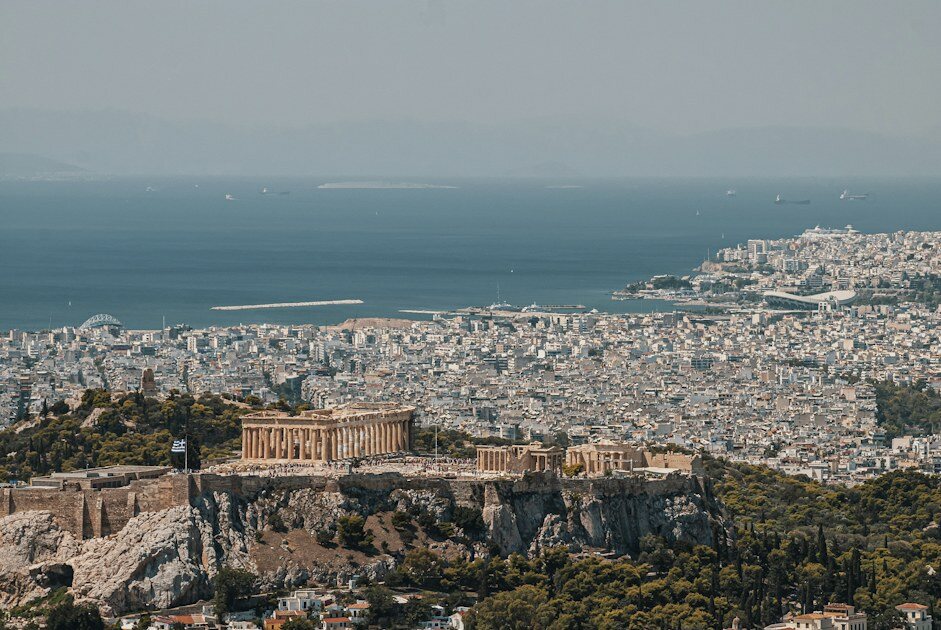
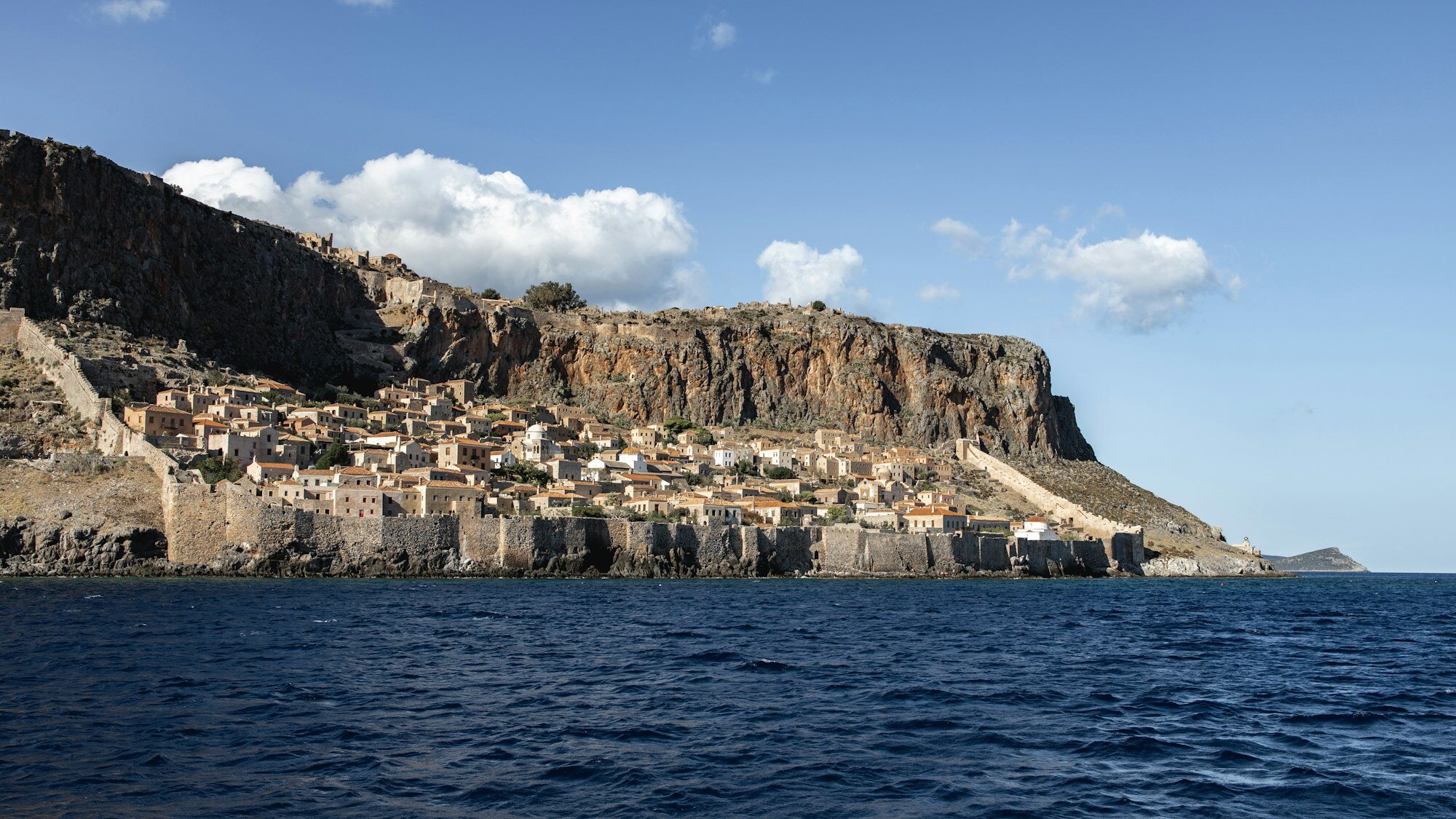
A realistic nine-day Peloponnese Road-trip from Athens through Nafplio, Monemvasia, Mani and Ancient Olympia, with route timings, budget and driving advice.
9 days
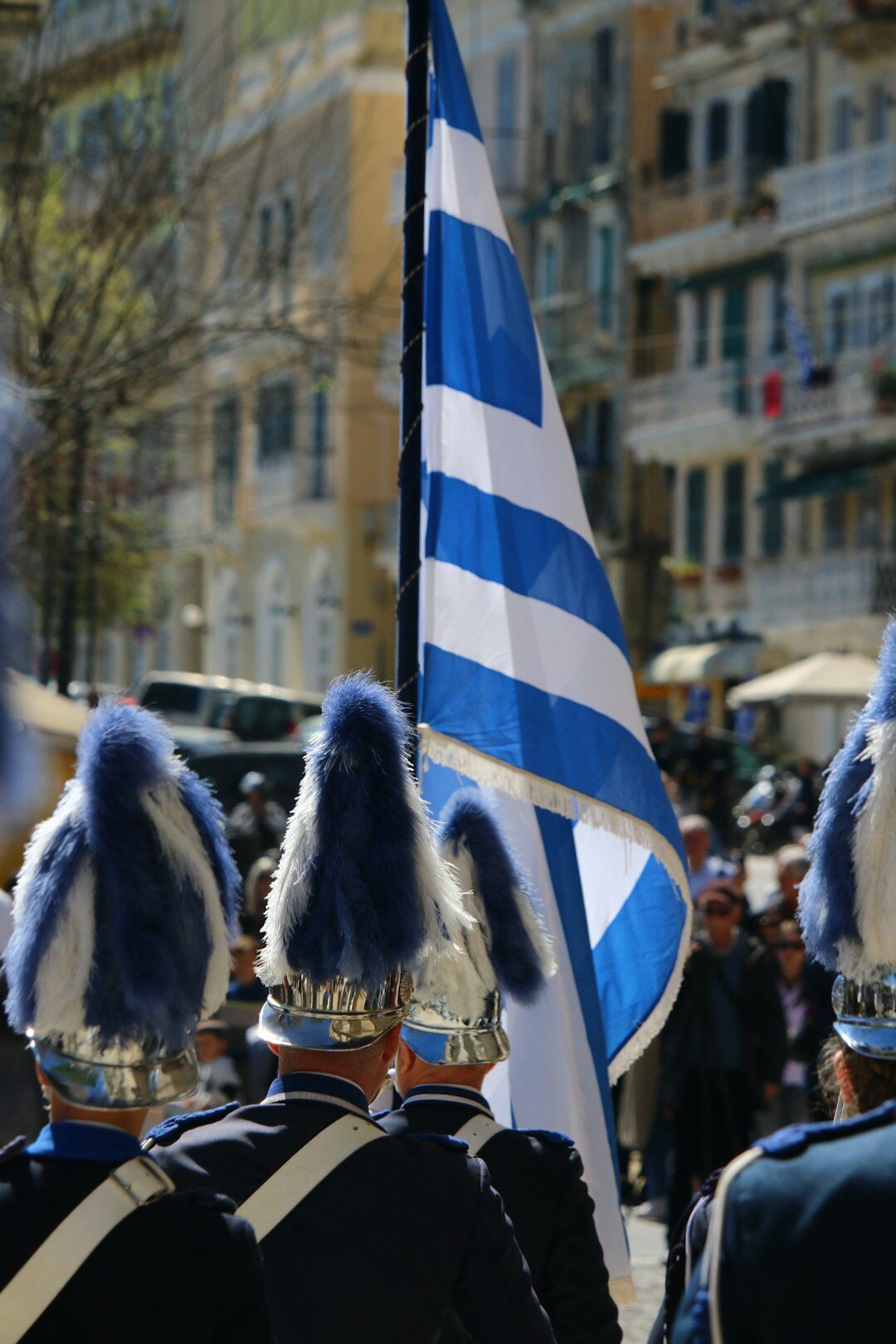
Greek Apokries Carnival is Greece’s pre-Lenten carnival season, a festive period of public celebration before the restraint of Lent. Across the country, visitor
Date pending official confirmation
Complete guide to Greek island hopping in the stunning Cyclades. Perfect beaches, charming villages, and unforgettable Mediterranean experiences.
14 days
Related reading