
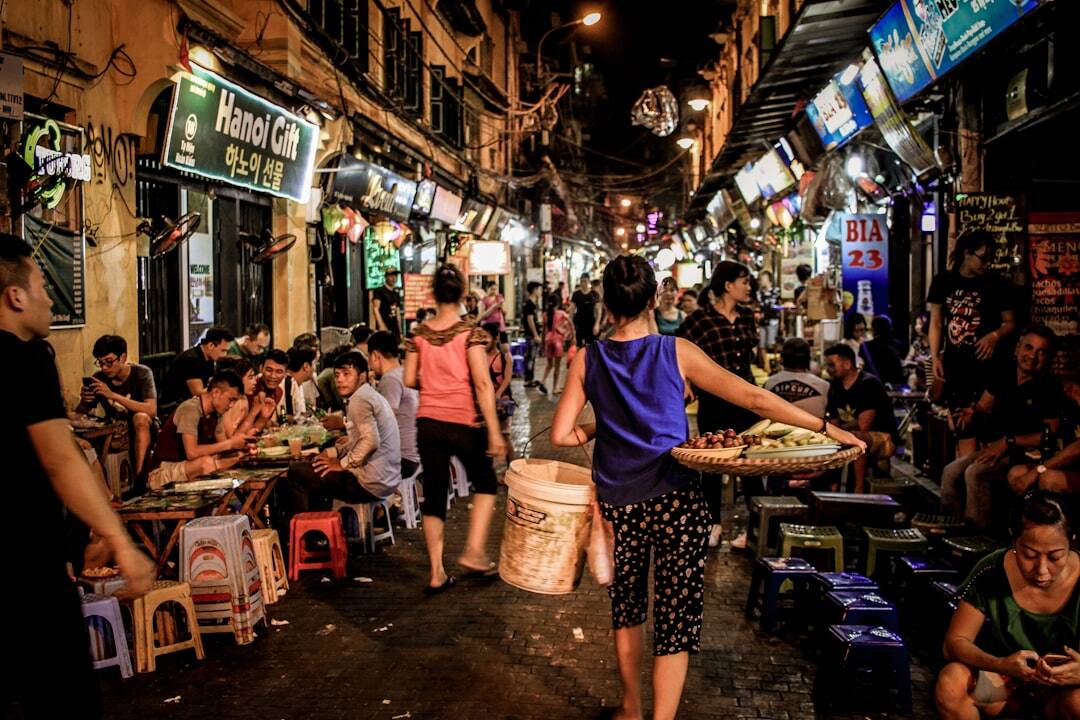
Northern Vietnam offers much more than a cheap bowl of noodles and a rushed bay cruise. This ten-day route gives Hanoi four nights, adds Ninh Binh, and finishes with a carefully chosen Ha Long Bay or Lan Ha Bay trip. Prices change quickly, so the guide focuses on how to evaluate value rather than promising a fixed daily cost.
Days 1-4: Hanoi at street level
Spend the arrival day learning how to cross streets, use transport apps, and identify the area around the hotel. Traffic moves continuously; walk predictably, follow local signals, and never assume a motorbike will stop simply because you have right of way.
Use day two for the Old Quarter and Hoan Kiem area. A small food tour can be useful early in the trip if the guide explains ingredients, ordering, and food handling. Tell the operator about allergies before booking. Hanoi specialties may include pho, bun cha, banh cuon, and egg coffee, but the best choice is a busy stall preparing food fresh rather than a place selected only from a viral video.
On day three, visit museums, temples, and neighborhoods beyond the Old Quarter. Dress appropriately for religious sites and ask before photographing worshippers. Use day four as a flexible food, cafe, and market day or for a half-day attraction.
Street-food safety and budgeting
Choose stalls with high turnover, clean utensils, and food cooked in front of you. Be cautious with raw garnishes, ice, and items that have been sitting in heat. Use safe drinking water and wash or sanitize hands before eating. Travelers with serious allergies should carry translated instructions and understand that shared cookware is common.
Track spending by category: room, long-distance transport, local rides, tours, meals, and entry fees. A low meal price does not make an unsafe or exploitative tour good value. Keep small cash, use established ATMs, and check the amount before confirming a card payment.
Days 5-7: Ninh Binh as an overnight stay
Travel to Ninh Binh or Tam Coc and stay two or three nights rather than taking a very long Hanoi day trip. Choose one boat area, one cycling or walking route, and one elevated viewpoint according to heat and fitness. Carry water and avoid the steepest climbs during the hottest hours.
Boat-trip tipping and sales expectations can feel unclear. Read recent operator guidance, carry a reasonable small amount of cash, and decline unwanted purchases politely. Do not reward wildlife handling or littering.
Days 8-9: Ha Long or Lan Ha Bay
Compare cruises by licensed operator, vessel, cabin, safety record, route, and waste practices - not just the lowest advertised price. Confirm transfers, meals, drinking water, kayaking, entrance fees, and cancellation rules. Weather or port authorities may alter sailings; a responsible operator should prioritize safety.
Ha Long Bay is a UNESCO World Heritage Site. Keep waste on board, avoid single-use plastics where possible, and never throw food into the water. One overnight is enough for many travelers; a second night can create a slower experience if the itinerary reaches quieter areas.
Day 10: Return with a buffer
Return to Hanoi with enough margin before an international flight. Cruise transfers can be delayed by traffic or weather. A final hotel night is safer than depending on a same-day port-to-airport connection.
Transport and seasonal checks
Use registered taxis, established transport apps, or transfers arranged by accommodation. For motorbike travel, licensing, insurance, helmets, and experience matter; renting one is not a sensible default for an inexperienced rider. Northern summers can be hot and stormy, while winter can feel damp and cool. Pack for the forecast, not a generic tropical image.
Sources and checks
Last reviewed: September 2026. Verify weather, cruise authorization, transport, visa, and health requirements before travel.
Cover photo
Photo by Frida Aguilar Estrada on Unsplash.