
Egypt's famous sites span hundreds of kilometers, so a ten-day trip needs a clear transport plan. This route combines Cairo, Luxor, and Aswan without adding a new hotel every night. It uses flights or the main rail corridor for long transfers and keeps outdoor sightseeing to the cooler parts of the day.
Days 1-3: Cairo and Giza
Use the arrival day to rest and organize cash, transport, and tickets. On day two, visit the Giza plateau with a licensed guide if you want historical context and help navigating the site. Agree on any camel or carriage service before accepting it, including the total duration and price. Do not climb monuments or enter restricted areas.
The pyramids are part of the UNESCO Memphis and its Necropolis site, not an isolated photo stop. Give the plateau enough time and carry sun protection and water.
Use day three for a museum and one district of Cairo rather than attempting every landmark. Opening arrangements can change as collections and visitor operations evolve, so confirm the museum location, ticket type, and permitted photography on the official site immediately before visiting.
Day 4: Transfer to Luxor
Fly or take an appropriate rail service to Luxor. An overnight train can save a hotel night but may not provide good rest, and booking rules can differ for visitors. Choose the option that leaves you alert for the following day's heat and traffic.
Days 5-6: Luxor's east and west banks
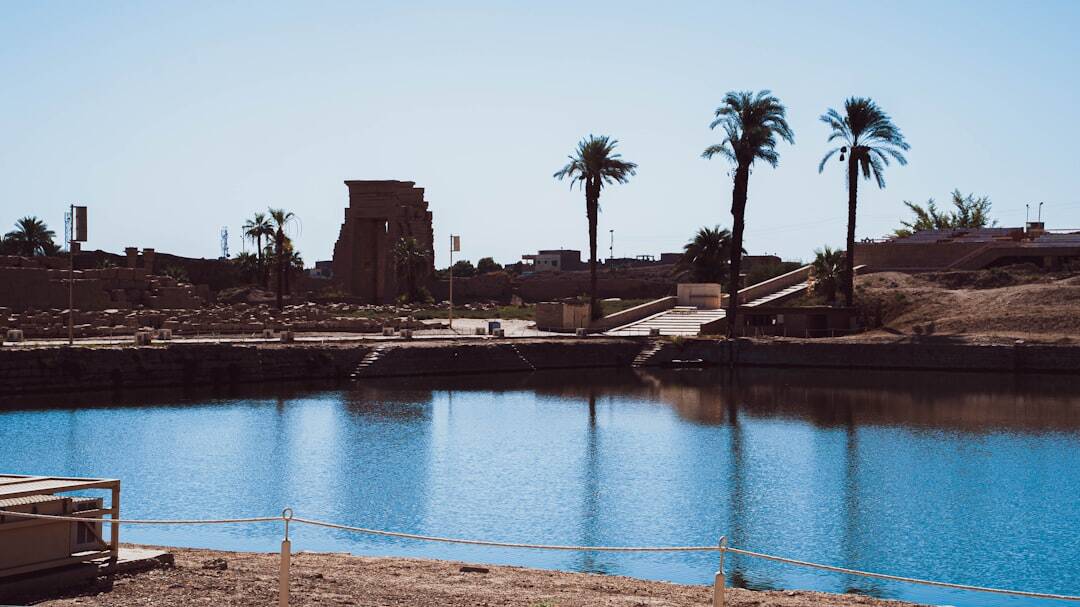
Split Luxor over two days. Visit Karnak and Luxor Temple on one day, then the west bank on the next. Begin the Valley of the Kings early. Tomb access rotates, and special tombs may require separate tickets; check the official Egyptian monuments portal rather than assuming an old list is current.
A licensed Egyptologist can help distinguish evidence from popular myths. Inside tombs and temples, obey photography signs, avoid touching painted surfaces, and do not use flash where prohibited. The desert heat can become severe by late morning, so schedule a long midday break.
Days 7-8: Nile transfer and Aswan
Travel south to Aswan by train, road transfer, or a cruise chosen for its documented schedule and safety standards. Nile cruises vary in route, mooring, and included visits. Confirm the exact vessel, cabin, meals, guide, and entrance fees before payment.
In Aswan, balance archaeological sites with time on the river and in the city. If visiting a Nubian community, choose an experience led by local residents and ask before photographing homes or people. Avoid activities that use captive wildlife as props.
Day 9: Optional Abu Simbel
Abu Simbel is a long day from Aswan. Travel by a recognized operator, expect an early departure, and keep the afternoon light. If the journey is too demanding, stay in Aswan; skipping one site is better than completing the trip exhausted.
Day 10: Return and departure
Fly or travel back toward your international departure point with a buffer. Separate tickets and long surface transfers need extra margin. Do not schedule a same-day connection that depends on everything running perfectly.
Health, money, and local conduct
Use safe drinking water, wash hands frequently, and be cautious with food that has been standing in heat. Wear breathable, modest clothing that works for sun and religious sites. Carry smaller cash, use established ATMs, and keep payment cards in sight.
Check current entry requirements and official travel advice for your nationality. Security conditions and access rules can change by region. Use licensed transport, decline unwanted services firmly, and ask your accommodation for help when a situation feels unclear.
Sources and checks
- Egyptian Ministry of Tourism and Antiquities: monuments
- UNESCO: Memphis and its Necropolis
- UNESCO: Ancient Thebes
- Experience Egypt
Last reviewed: September 2026. Verify ticketing, photography, transport, entry, and regional safety rules before travel.