
Seasonal discoveries
Events & Festivals
Discover travel events, festivals, and cultural celebrations around the world.111 events
Cultural experiences
1 events
Festivals
11 events
Date pending official confirmation
Nice Carnival
Nice Carnival, known in French as Carnaval de Nice, is a major annual carnival on France’s French Riviera. Held in February, and sometimes in early March according to the movable Christian Carnival calendar, it brings a lively pre-Lenten tradition into the streets of Nice. Visitors can experience colourful parades featuring giant floats, confetti and flower parades along the Promenade des Anglais, with an atmosphere shaped by spectacle, artistry and public celebration. As the timing can shift from year to year, check the current official dates, parade arrangements and visitor information before planning your trip.
Data updated: 2026-07-08Learn more
Date pending official confirmation
Reykjavik Winter Lights
In Reykjavík, winter darkness is brightened by the city’s annual Winter Lights Festival, a seasonal celebration within a wider programme of cultural life. The winter period brings festivities, concerts, plays and seasonal exhibitions, giving visitors ways to experience the Icelandic capital beyond its landscapes. Expect an urban cultural atmosphere shaped by the contrast between long dark hours and returning light, with events and presentations varying from year to year. The festival is a good occasion to explore Reykjavík’s cultural scene, but individual activities are not specified here. Check the current official programme, dates and arrangements before travelling.
Data updated: 2026-07-08Learn more
Date pending official confirmation
Venice Carnival
Venice Carnival, or Carnevale di Venezia, is an annual celebration in Venice known for elaborate masks and costumes. Its roots reach back to the Middle Ages, and the tradition was revived in 1979 after being abolished in 1797. Carnival forms part of Italy’s pre-Lenten culture: festivities lead toward Shrove Tuesday, the day before Ash Wednesday and the beginning of Lent. Visitors can experience the distinctive atmosphere of masquerades, costumes and confetti in Venice. The current programme and timing can vary, so check official dates and arrangements before planning your visit.
Data updated: 2026-07-08Learn more
Date pending official confirmation
Bali Nyepi
Bali Nyepi, also known as the Day of Silence, is a Balinese Hindu holiday marking the Saka New Year, observed according to the Balinese calendar. Its central practices are silence, fasting, and meditation; the following day is celebrated as New Year’s Day. Before Nyepi, visitors may encounter Pangrupukan processions featuring ogoh-ogoh, striking sculptures that represent negative forces or human weaknesses. These figures may later be burned as a symbolic act of removing negativity. During Nyepi itself, expect a markedly quiet atmosphere and approach local observance with respect. Check current official dates and local arrangements before planning your visit.
Data updated: 2026-07-08Learn more
Date pending official confirmation
Cherry Blossom Season
Japan’s cherry blossom season is a spring tradition centered on hanami, the appreciation of flowers—especially sakura—and their fleeting beauty. Across the country, people gather beneath blooming trees for outdoor parties and picnics, by day or, in some places, at night for yozakura, when lanterns may illuminate the blossoms. Blooming generally travels from late March to early May, while Okinawa can see flowers from January; each display may last only a week or two. Visitors can enjoy blossom viewing in parks and gardens, but timing varies by region and year. Check current official blossom forecasts, dates, and local arrangements before planning your visit.
Data updated: 2026-07-08Learn more
Date pending official confirmation
Dublin St Patrick's Day
Dublin’s St Patrick’s Day celebrations mark Ireland’s religious and cultural holiday honouring Saint Patrick, the country’s foremost patron saint, and the arrival of Christianity in Ireland. Traditionally observed on 17 March, the occasion also celebrates Irish heritage and culture. Visitors may encounter public parades and festivals, céilithe, green clothing and shamrocks, while some Christians attend church services. The day’s festive character reflects traditions that developed around the holiday, including the historic easing of Lenten restrictions. As the current programme and arrangements can vary, check official Dublin information for up-to-date dates, events and practical details before travelling.
Data updated: 2026-07-08Learn more
Date pending official confirmation
Holi Festival of Colors
In India, Holi—the festival of colours—welcomes spring, marks winter’s end and invokes a good harvest. Its Hindu traditions celebrate the love of Radha and Krishna, while also recalling the triumph of good over evil through Vishnu as Narasimha. During this joyful night-and-day celebration, people may sing, dance and playfully throw gulal, the traditional coloured powder, along with water. Across India, streets and public spaces can become vivid, communal places of celebration, though customs vary. Holi falls around mid-March by the Gregorian calendar; check current official dates and local arrangements before planning your visit.
Data updated: 2026-07-08Learn more
Date pending official confirmation
Holi Nepal
Holi Nepal is Nepal’s exuberant celebration of spring, colour and love. Rooted in Hindu tradition, Holi recalls the devotion of Radha and Krishna and the triumph of good over evil, while welcoming the end of winter and hoping for a fruitful spring harvest. Visitors can encounter lively street celebrations, throw vibrant powdered pigments and join water play, while respecting local customs and personal boundaries. Holi traditionally begins on the evening of the full moon in Phalguna, usually around mid-March. Check current official dates and local arrangements before travelling, as the timing follows the Hindu calendar.
Data updated: 2026-07-08Learn more
Date pending official confirmation
Las Fallas Valencia
Las Fallas de Valencia is the city’s traditional annual celebration, held principally from 15 to 19 March. Neighbourhood commissions create enormous satirical monuments known as fallas, while daily Mascletà pyrotechnic performances run from 1 to 19 March. Visitors can explore the colourful installations, experience the lively public celebrations, see processions and floral offerings, and sample regional paella at neighbourhood gatherings. On the final night, the monuments are burned in the Cremà, the festival’s dramatic conclusion. Recognised by UNESCO as intangible cultural heritage since 2016, Las Fallas is a deeply communal tradition. Check current official dates, programme details and arrangements before travelling.
Data updated: 2026-07-08Learn more
Date pending official confirmation
Lisbon Fado Night
Lisbon Fado Night offers an introduction to fado, the Portuguese music tradition traced to Lisbon in the 1820s. Often shaped by mournful melodies and lyrics about the sea, hardship, longing and fate, fado expresses the Portuguese feeling known as saudade. Visitors can listen to singers accompanied by the Portuguese guitar, an instrument closely associated with the genre, and experience a music tradition whose history has been passed down largely through oral memory. As the current programme and arrangements may change, check the latest official dates and details before making plans.
Data updated: 2026-07-08Learn more
Date pending official confirmation
Melbourne Food & Wine Festival
The Melbourne Food & Wine Festival is an annual March celebration of Melbourne and Victoria’s food and wine culture, held since 1993. Its purpose is to showcase the region’s produce, culinary talent and lifestyle while highlighting Melbourne as a food-and-wine destination. Visitors can choose from a varied program that may include cooking classes, tastings and banquet-style lunches, with events developed in collaboration with Victoria’s food and wine industry. As the program and arrangements can change from year to year, check the current official dates, listings and booking information before planning your visit.
Data updated: 2026-07-08Learn morePublic holidays
6 events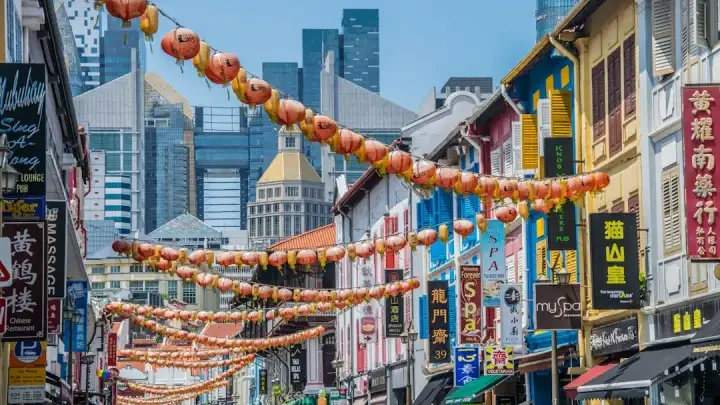
Date pending official confirmation
Chinese New Year Singapore
Chinese New Year in Singapore marks the beginning of a new year on the traditional lunisolar calendar and is one of the country’s gazetted public holidays. Celebrated primarily by Chinese Singaporeans, it traditionally runs from New Year’s Eve through the Lantern Festival on the 15th day. Visitors can experience a lively two-week atmosphere, including red lanterns, street markets, lion dances and the River Hongbao light-up, while customs recall family reunion dinners, respect for deities and ancestors, house cleaning, and decorations symbolising good fortune. As programmes and arrangements can change, check current official dates and details before planning your visit.
Data updated: 2026-07-08Learn more
Date pending official confirmation
Tet New Year
Tet, or Tết Nguyên Đán, is Vietnam’s most important celebration: the Vietnamese lunisolar New Year and a welcome to spring. Usually falling between late January and 20 February, it brings families together for reunions and ancestral offerings. Homes may be decorated with peach blossoms and kumquat trees, while streets become lively and celebrations can continue for up to two weeks. Visitors can experience festive food, public activity and, in major cities, fireworks, although customs and access vary. Because the lunar calendar changes each year, check current official dates and local arrangements before planning your visit.
Data updated: 2026-07-08Learn more
Date pending official confirmation
Easter Week Portugal
Portugal’s Easter Week, or Holy Week, is the deeply spiritual period leading up to Easter, recalling key events from Christ’s entry into Jerusalem through the Passion and Holy Saturday. Braga is particularly associated with solemn religious observances, including the dramatic Ecce Homo procession by torchlight. Elsewhere in Portugal, visitors may encounter church ceremonies, passion plays, incense and sacred music, with processions forming an important part of the atmosphere. As a Christian observance, Holy Week follows a movable calendar, so dates vary each year. Check current official dates and local arrangements before planning your visit.
Data updated: 2026-07-08Learn more
Date pending official confirmation
Eid Al Fitr Morocco
Eid al-Fitr in Morocco marks the end of Ramadan, the month of dawn-to-dusk fasting, and begins on the first day of Shawwal in the Islamic lunar calendar. The celebration traditionally opens with communal prayer, followed by visits to relatives, gifts and shared meals. In Morocco, Islamic observance is interwoven with local cultural heritage: visitors may encounter a festive atmosphere in medinas and city squares, special markets, traditional music and joyful gatherings, with family tables featuring dishes such as pastilla, also known as b’stilla. Customs and public arrangements can vary, so check current official dates and local arrangements before planning your visit.
Data updated: 2026-07-08Learn more
Date pending official confirmation
Eid Al Fitr UAE
Eid al-Fitr in the United Arab Emirates marks the end of Ramadan, the month of dawn-to-dusk fasting, and begins the Islamic month of Shawwal. Across the country, the three-day celebration brings communal prayers, visits with relatives, gift-giving, charitable acts and shared festive meals. Visitors may see colorful lights and decorations, while shopping malls, parks and public spaces offer seasonal entertainment. Respectful observation is welcome, but prayer services and family gatherings are primarily religious and private occasions. Because Eid follows the lunar Islamic calendar, its Gregorian timing changes each year; check current official dates and local arrangements before planning your visit.
Data updated: 2026-07-08Learn more
Date pending official confirmation
Nyepi Balinese New Year
Nyepi, Bali’s Day of Silence, is the Balinese Hindu New Year, observed each Isakawarsa according to the Balinese calendar. The observance centers on silence, fasting, meditation, and self-reflection; the following day is celebrated as New Year’s Day. On the preceding Pangrupukan, communities traditionally parade ogoh-ogoh—large sculptures representing human evil or negativity—and burn them afterward as a symbol of removing those traits. Visitors may witness striking sculpture traditions before the quiet observance begins, but Nyepi itself is a time for stillness and respect rather than sightseeing. Check current official dates and local arrangements before travelling, as the calendar does not follow a fixed Gregorian date.
Data updated: 2026-07-08Learn moreRelated reading